
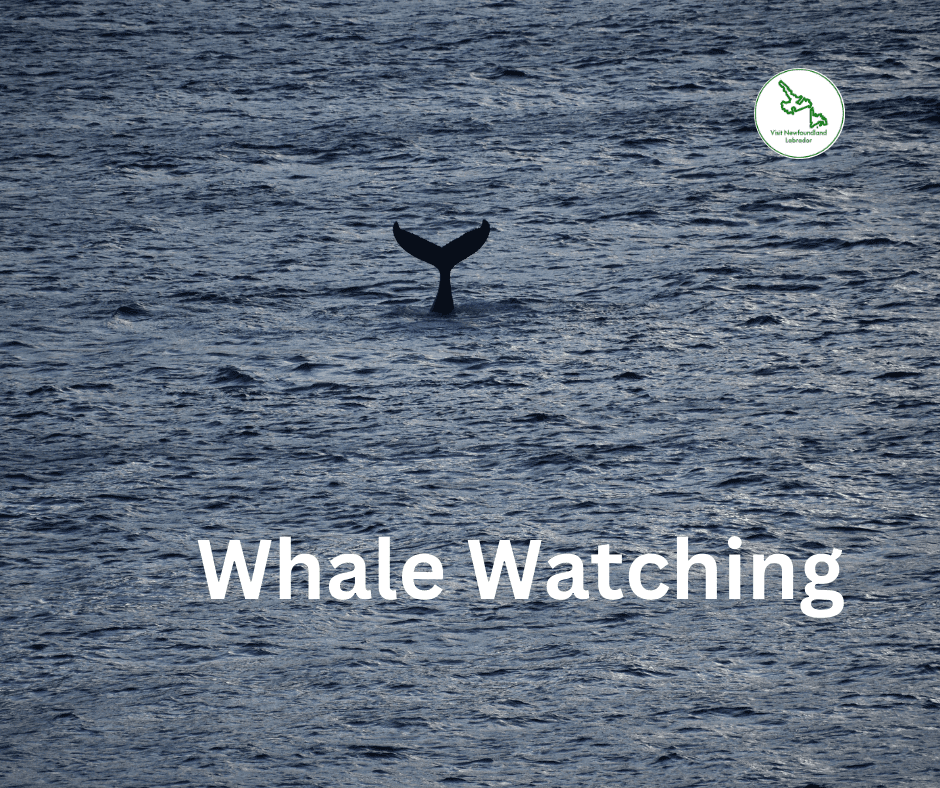
This guide will help you discover top whale watching locations, optimal seasons, likely whale species, and useful spotting tips.
Why Go Whale Watching in Newfoundland and Labrador?
Newfoundland and Labrador is considered a top destination for whale watching. The province unique location, where the cold Labrador current meets the warmer Gulf Stream, has created one of the planet’s richest marine ecosystems. Plankton, capelin, herring, and krill fill the Atlantic nutrient-dense waters, drawing numerous whales to the area annually.
The area’s appeal is not just the impressive number of whales. Often, encounters happen up close and are quite dramatic, boosting the excitement of the experience.
Accessible Sightings Near Shore
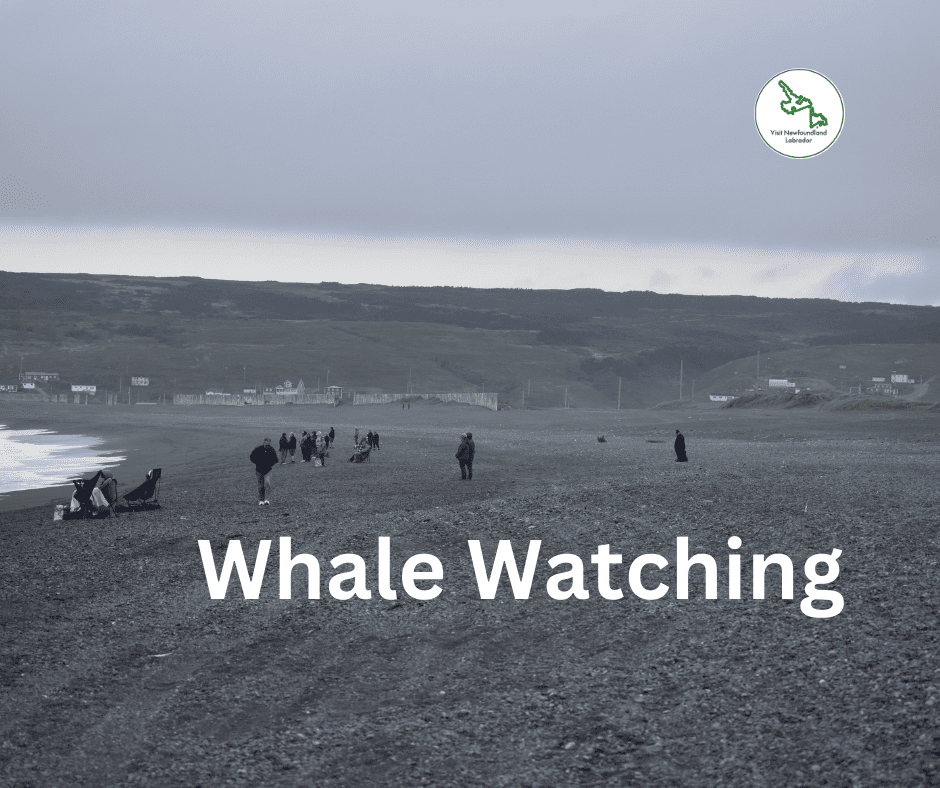
Many top destinations require long boat rides to spot whales, but Newfoundland and Labrador are different. Frequent sightings occur right from the coastline, with whales often feeding just a few hundred metres from land. From cliffs, headlands, and lighthouse lookouts, visitors can enjoy remarkable encounters. These accessibility features make the experience ideal for photographers, families, and those wanting to watch wildlife without boarding a boat.
A Remarkable Diversity of Whale Species
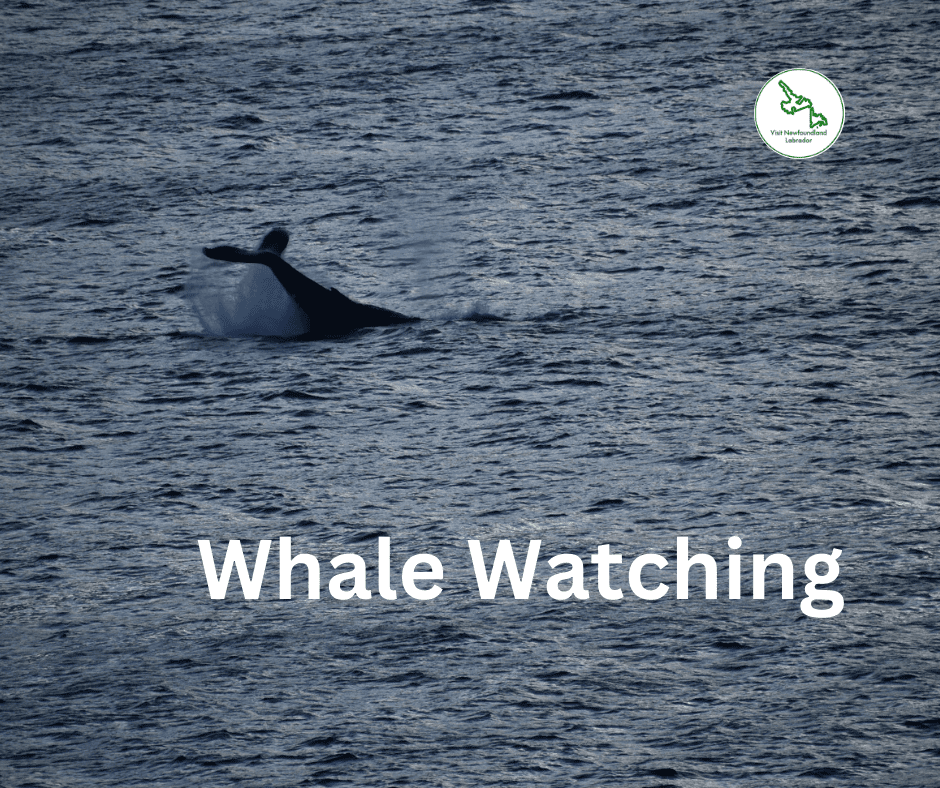
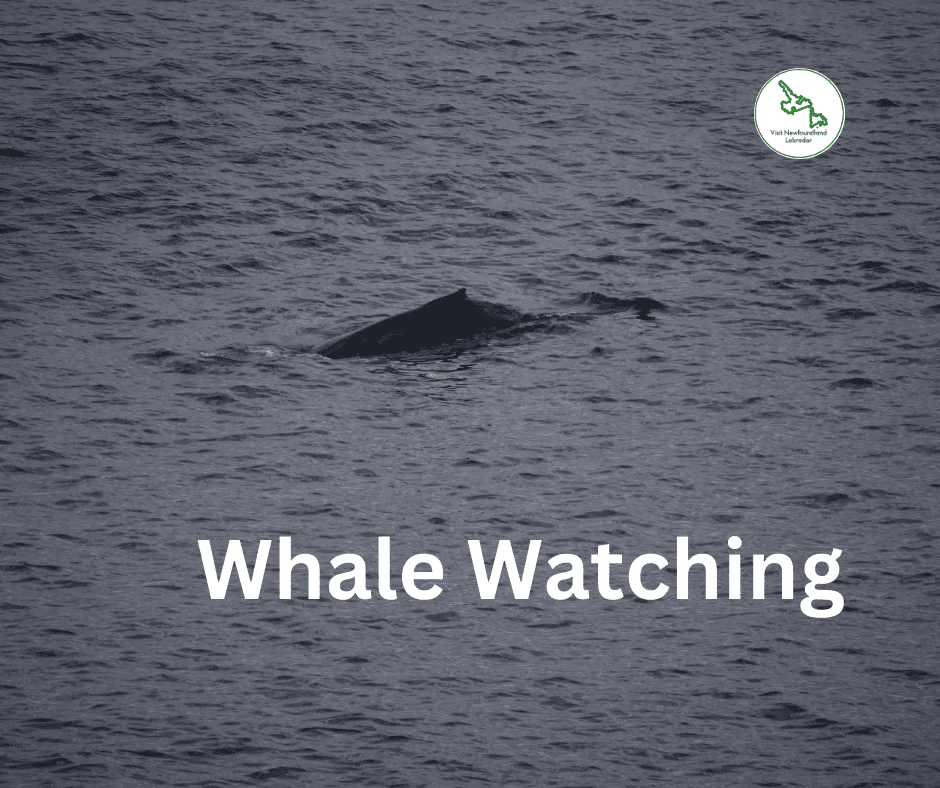
Waters in this province shelter one of the world’s highest concentrations of whale species. Humpback whales, known for their size and acrobatics, are a favourite. However, they are not the only stars. Minke whales frequently approach the shoreline. On some days, even the massive fin whale or, more rarely, the blue whale, Earth’s largest animal, may appear. This diversity ensures each whale-watching experience is unique, offering new opportunities every time.
Thrilling Surface Behaviour
Whale watching in Newfoundland and Labrador is far from passive, with active feeding and dramatic surface displays often seen.
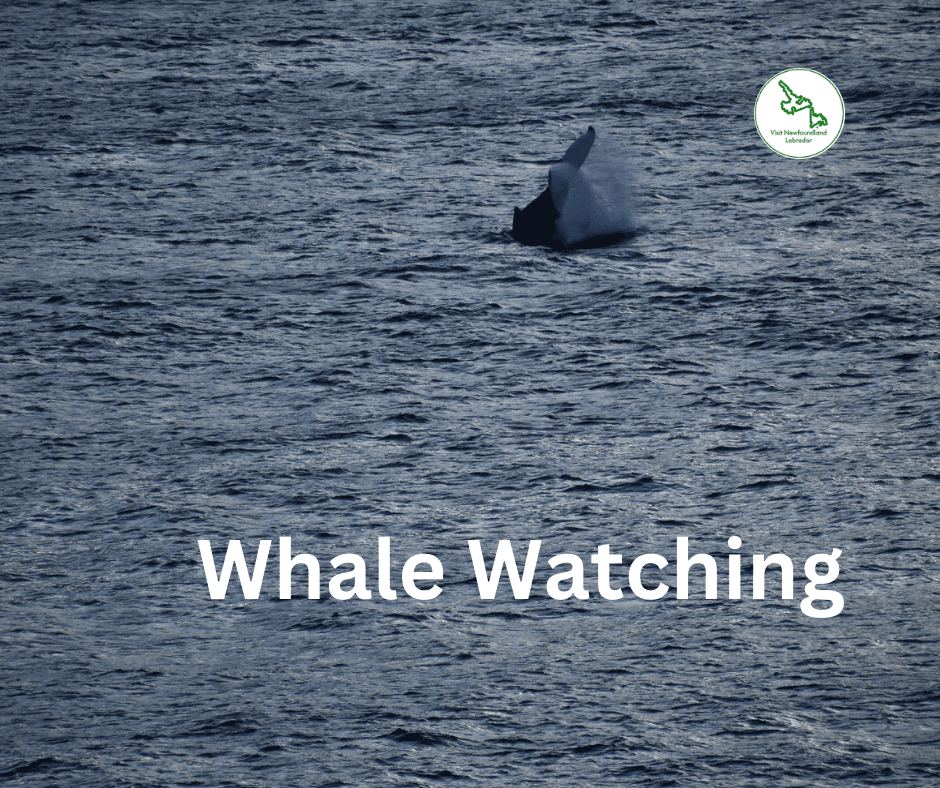
- Powerful breaches where whales launch their massive bodies out of the water
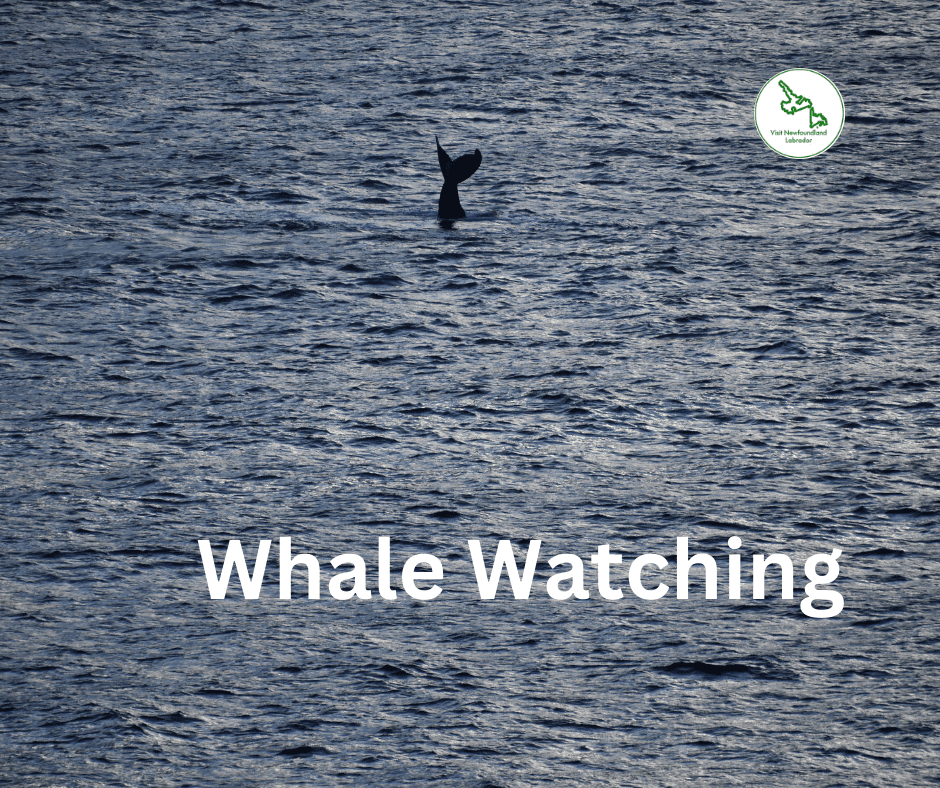
- Tail-slapping and fin-slapping that send spray into the air
- Spy-hopping, where whales lift their heads above the surface to look around
These behaviours often occur close to shore or near boats, creating memorable storytelling moments that last beyond the trip.
Expert-Guided Whale Watching Tours
Local whale-watching operators share generations of Atlantic wisdom with visitors on every excursion. Many guides grew up as fishers, trained naturalists, or lifelong residents who understand whale behaviour, migration routes, and the local ecosystem. Tours tend to stay small and educational, blending wildlife insight with a focus on respectful, responsible viewing. Expert storytelling, along with real-time encounters, makes each tour exciting and informative.
A Stunning Natural Backdrop
Few places in Canada rival the scenery of Newfoundland and Labrador coastline during whale watching. Newfoundland and Labrador have steep cliffs, long coastlines, and remote villages, which set the stage for your vacation. In early summer, icebergs drift by, and seabirds fill the sky. Puffins, gannets, and murres often feed alongside whales, adding to the spectacle.
Whale watching here is memorable not just for the marine life, but also for the entire environment, coastline, villages, and wildlife that create a magical, lasting impression.
A Wildlife Experience That Feels Wild and Authentic
Perhaps the greatest reason to go whale watching in Newfoundland and Labrador is the sense of authenticity it offers. The whales will appear naturally, following migration routes and feeding habits that have endured for thousands of years. Visitors witness a raw, unpredictable, and humbling wild ecosystem. In short, whale watching in Newfoundland and Labrador offers authentic wildlife encounters, breathtaking scenery, and stories you’ll remember.
Best Time of Year to See Whales in Newfoundland and Labrador
Whale watching here follows the ocean’s rhythms. Each year, large whale groups migrate to feed on seasonal plankton, capelin, and baitfish blooms. Whale watching is mainly a summer activity, offering some of the world’s best sightings. In short, visiting during the summer offers the best chance to see whales under ideal conditions.
Peak Whale Watching Season
Late May to Early September
This period sees peak whale feeding activity, with frequent sightings and spectacular displays. Longer days and calm seas increase tour comfort. Overall, late May to early September offers the most consistent and rewarding whale watching.
Seasonal Highlights
Late May to June: Early Arrivals & Iceberg Season
June is early summer on the coast with whales. Whales arrive quickly, drawn to rich fish feeding grounds. Towering icebergs come down the Labrador Sea from Greenland and often drift by local communities. While sightings are less predictable early in the season, the combination of whales, ice, and seabirds makes for a truly distinctive and memorable visit.
Why visit now?
- Fewer crowds
- Unique iceberg-and-whale photography opportunities
- Fresh spring energy as wildlife returns to the coast
July to August: Peak Whale Watching Season
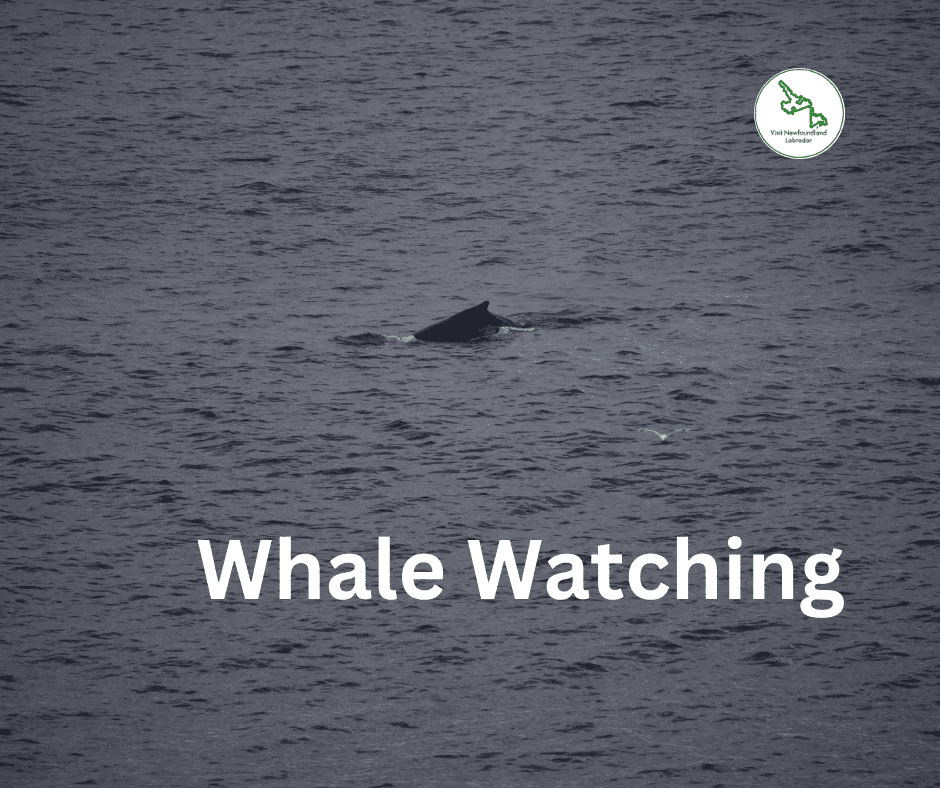
Mid-summer is prime time for whale watching in Newfoundland and Labrador. Humpback and minke whales are most active then, feeding aggressively and frequently displaying behaviours like breaching, tail-slapping, and spy-hopping. Tour operators are busiest now, with high success rates and many excursion choices across the province.
Why visit now?
- The highest concentration of whales
- Most frequent and dramatic surface activity
- Warmest weather and calmest seas
- Full availability of tours and coastal services
If whale watching is your priority, July and August are both the safest and most rewarding months to be on the water or shoreline looking at whales.
September: A Quieter but Rewarding Experience
Early September starts the gentle transition toward autumn. Cooler waters push baitfish closer to shore, and many whales remain in the area, continuing to feed before beginning their southward migration. September offers a quieter atmosphere, ongoing whale activity, and scenic autumn landscapes, making it perfect for visitors seeking a peaceful experience.
Why visit now?
- Fewer visitors
- Continued whale activity early in the month
- September is especially good for combining whale watching with hiking and sightseeing, thanks to the warmer water temperatures.
What About the Rest of the Year? Considering Off-Season Potential
Whale sightings are rare outside summer, as whales migrate south when food sources diminish. Winter is not ideal for whale watching due to limited food for the whales and colder weather. If whale watching is a priority, late May through early September is the ideal time to come to Newfoundland and Labrador. From iceberg-dotted coastlines in early summer to peak feeding activity in July and August, you will witness one of nature’s greatest migrations. By choosing the right season, travellers secure not only whale encounters but also loving memories along this dramatic coastline.
Top Whale Watching Destinations
Each destination below features unique whales, spectacular landscapes, and distinct tour options to match your interests.
1. Bonavista Peninsula
A front-row view of some of the best whale watching in the province. The Bonavista Peninsula stands out as one of Newfoundland and Labrador top whale-watching areas. It juts into the North Atlantic on major feeding routes, where nutrient-dense waters bring baitfish close. This leads to frequent whale activity seen from land or sea. This area is especially appealing because whale watching fits easily into a broader travel experience. Historic towns, spectacular cliffs, and quiet coves all add depth to every outing.
Why Bonavista is Great
Whales are drawn to the Bonavista Peninsula throughout the warm summer months, often feeding close to shore. It’s common to spot massive whales from cliffside lookouts, harbours, or even while walking along coastal trails. Bonavista Peninsula create ideal feeding conditions, resulting in frequent and dramatic breaching sightings. The Bonavista Peninsula also benefits from sheltered cove waters and exposed coastlines, increasing the chances of successful tours even when conditions elsewhere may be rough.
Best Towns to Base Yourself
The Bonavista Peninsula offers several charming communities that make excellent home bases for whale-watching vacation adventures:
- Bonavista – A historic fishing town with easy access to tour operators, coastal lookouts, and the iconic Cape Bonavista Lighthouse.
- Elliston – Known for its dramatic puffins and seabird colonies and rugged coastline, offering incredible wildlife viewing from land.
- Trinity – A beautifully preserved historic town that combines whale watching with culture, theatre, and scenic harbour views.
Each community offers accommodations, dining, and access to boat tours and shoreline viewing points.
Whale Watching Tour Options
Whale-watching tours on the Bonavista Peninsula are led by experienced local guides from the region with good knowledge of coastal waters. You can book boat tour that departs hourly during the peak summer season, taking you to prime feeding areas close to Cape Bonavista Lighthouse and Dungeon Provincial Park. All the tours take advantage of real-time sightings and adjust routes to follow the feeding activity of the whales.
What You Might See
The Bonavista Peninsula is known for friendliness and memorable encounters. You will witness:
- Humpback whales breaching dramatically, showing off their size.
- Killer Whale moving through dense fish schools.
- Seabirds plunge into the water during early morning feeding frenzies.
These moments often unfold against a rugged coastline backdrop, with towering cliffs, sea stacks, and crashing waves that heighten the sense of scale and wonder.
Why the Bonavista Peninsula Stands Out
What sets the Bonavista Peninsula apart is the combination of reliability, accessibility, and atmosphere. Only a few places allow visitors to pair historic towns, coastal hikes, iceberg sightings early in the season, seabirds, and world-class whale watching in a single destination. For those looking for unforgettable marine wildlife encounters without sacrificing charm or comfort, the Bonavista Peninsula delivers an experience which is both wild and deeply rooted in Newfoundland coastal heritage.
Witless Bay Ecological Reserve (Near St. John’s)
This is one of the largest meeting place of whales, seabirds, in the North Atlantic. If you are seeking an unforgettable wildlife experience, Witless Bay Ecological Reserve is a must-visit. Located a short drive from the province capital, this protected marine area is one of the richest wildlife zones in Newfoundland and Labrador and one of the finest places in the world to experience whales and seabirds together in their natural habitat. Designated for its ecological importance, the reserve offers access to dramatic ocean life set against cliffs and open blue Atlantic waters.
Location
Witless Bay Ecological Reserve lies about 30 minutes south of St. John’s, making it one of the most accessible whale-watching destinations in the province. Its proximity to the capital makes it ideal for day trips, whether you’re staying in the city or exploring the Avalon Peninsula.
Why It’s Great
Witless Bay Ecological Reserve protects the offshore islands that support some of the largest puffin and seabird colonies in Newfoundland. These nutrient-rich waters of the Atlantic attract whales that feed close to the surface during summer when capelin and other fish are swimming in schools. Because the area is sheltered and carefully managed, conditions are often ideal for wildlife viewing. Calm Atlantic water increases visibility for oyu to spot whales and puffins. Whales are frequently spotted feeding, surfacing, and travelling through the reserve, sometimes within minutes of leaving shore.
What You Might See
Witless Bay Ecological Reserve delivers an engaging wildlife spectacle. Visitors commonly encounter:
- Humpback whales, often breaching, tail-slapping, or feeding near the surface
- Minke whales move swiftly through baitfish schools.
- Pilot whales, seen occasionally in deeper waters
- Thousands of puffins, murres, kittiwakes, and gannets fill the sky and surrounding islands.
The sight of whales surfacing beneath the cloud of seabirds is one of the most iconic and memorable scenes in Newfoundland and Labrador.
Why Witless Bay Standout
What sets Witless Bay Ecological Reserve apart is the density of life packed into a small area. Few places in the world offer such close, reliable access to both whales and seabirds in a protected, well-managed environment, especially so close to an urban center. center. For nature lovers, photographers, and first-time whale watchers alike, Witless Bay offers an experience that is dramatic, educational, and deeply moving. This is a reminder of the richness of Newfoundland and Labrador marine world.
Trinity Bay (Ntortheastern Newfoundland)
Peaceful waters, panoramic views, and reliable whale encounters. Trinity Bay offers one of the most rewarding places to enjoy whale-watching experiences in Newfoundland and Labrador. This location is known for its calm Atlantic waters and wide coastal views. Trinity Bay provides ideal conditions for observing whales in a relaxed, unhurried setting. The combination of sheltered shorelines and nearby deep-water channels makes Trinity Bay a natural feeding ground for large whales throughout summer.
Why It’s Great
Trinity Bay geographical location: The bay provides deep-water channels that run close to shore, allowing whales to feed in shallow, protected waters. These conditions consistently draw whales into the bay, where they can be observed frolicking , feeding, and surfacing against a backdrop of hills, cliffs, and historic coastal settlements. The bay’s calm seas also make it an excellent option for visitors who are new to boat tours or sensitive to rough ocean conditions.
Trinity and Nearby Communities
The beautiful town of Trinity is the heart of the bay and an ideal place to base your whale-watching adventure. Trinity is known for its preserved architecture and rich Atlantic history, Trinity combines natural beauty with cultural depth. Nearby communities along the bay also offer accommodations, dining, and easy access to boat tour operators, allowing you to explore multiple viewpoints and experiences throughout your stay.
Whale Watching Tour Options
During peak whale-watching season, daily boat tours and wildlife cruises operate throughout Trinity Bay. These tours are usually led by experienced local captains who understand whale behaviour and know where feeding activity is most likely to occur. Tours often provide excellent visibility and ample time on the water, giving guests opportunities for photography, observation, and learning about the bay’s marine ecosystem.
Trinity Bay is especially well known for:
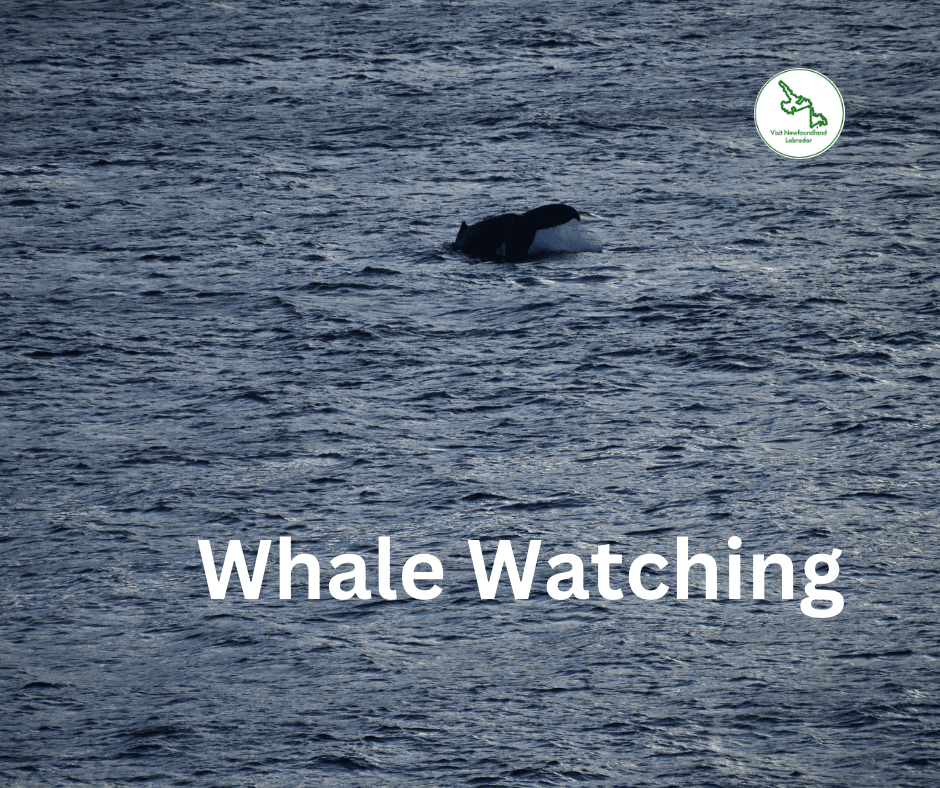
- Frequent humpback whale sightings, often featuring surface activity like breaching and tail-slapping
- Occasional fin whale encounters add an element of surprise and excitement.
Why Trinity Bay Stands Out
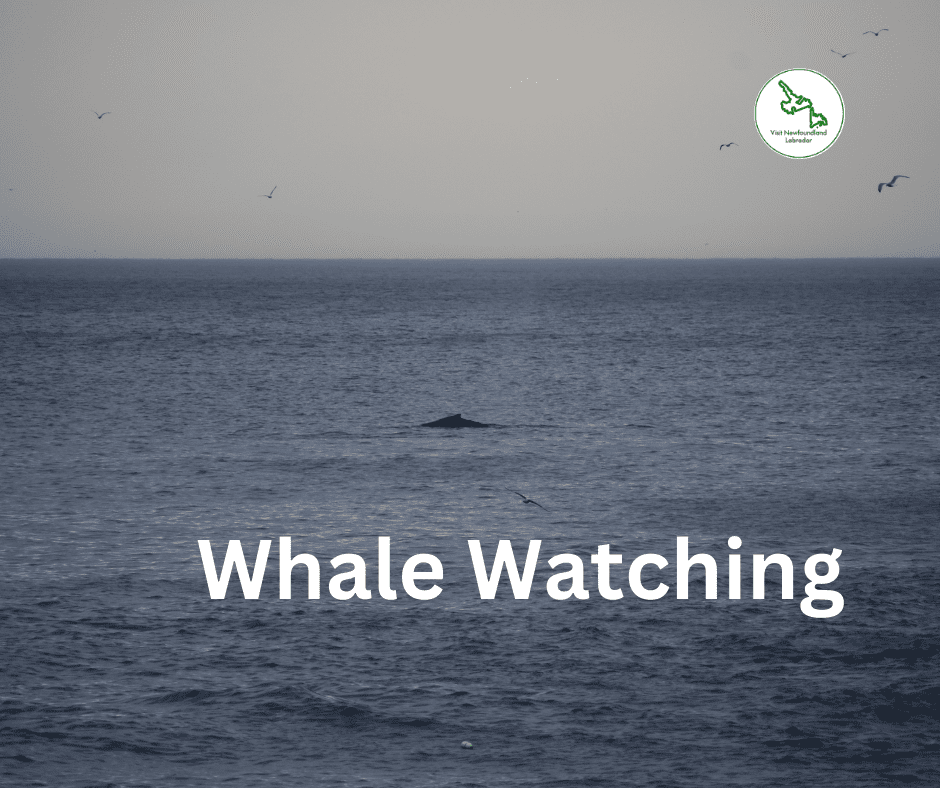
What makes Trinity Bay special is how naturally the whales fit into the landscape and daily rhythm of the coast. These waters are a reliable feeding ground, drawing whales close to shore where they can often be seen slowly surfacing, breaching, or travelling in calm pods. For those seeking unforgettable wildlife encounters in a calm, scenic setting, Trinity Bay offers an experience which is both inspiring and unhurried.
St. Anthony and the Northern Peninsula
Remote, powerful, and unforgettable whale watching at the edge of the island. For travellers willing to go off the beaten path, St. Anthony and the Northern Peninsula offer one of the most awe-inspiring whale-watching experiences in Newfoundland and Labrador. This region feels wild and expansive, where the Atlantic meets cold Arctic waters, and nature sets the pace. The reward for making the journey north is a whale-watching experience that feels raw, authentic, and an immersive front-row seat.
Why St. Anthony and the Northern Peninsula is Great
The Northern Peninsula sits at the gateway of the cold Labrador Sea. The rich Atlantic water filled with fish creates the perfect feeding conditions for whales, puffins and other sea animals. These cold waters support a wide range of species, including some of the largest whales found in the North Atlantic. Because the region is less visited than other parts of the island, encounters here often feel more personal and unhurried.
Whale Watching Tour Options
Whale-watching tours in St. Anthony and Raeigh are usually operated by local guides who understand the culture of community. Small groups are customized, allowing for adjustment to tours based on weather and whale sightings. This flexibility is good because it increases the chances of meaningful encounters while offering a quieter, more intimate experience on the water. Your guide or captain will tell you about whales, what to expect while on the sea and the area connection to the sea.
What You Might See
The Northern Peninsula is known for the variety of whale species that come on their annual migration. Visitors frequently encounter:
- Humpback whales often feed actively and surface repeatedly.
- Minke whales move swiftly through coastal waters.
- Fin whales: The share size of these whales are breathtaking when spotted.
- Sei whales: You will spot these whales occasionally, but thrilling sightings in deeper waters.
These encounters are often framed with coastal cliffs, horizons, and vast oceans.
Why This Region Stands Out
St. Anthony and the Northern Peninsula apart is the feeling of true remoteness. Watching whales and icebergs is not crowded. It is quiet, expansive, and deeply connected to the ocean’s natural rhythms.
Labrador Coast Adventure
You will get to experience wild, remote, and extraordinary whale watching adventurers. Vast, sparsely populated, and shaped by northern forces, this coastline feels like the edge of the world, where towering cliffs, icy waters, and immense open horizons create an atmosphere of true wilderness. Whale watching here is not polished or predictable, but that is what makes it unforgettable. This is a destination for explorers who value solitude, scale, and immersion in nature.
Why It’s Great
The Labrador Coast is one of the most biologically rich marine environments in the North Atlantic. Cold Arctic waters flow south along the coast, carrying nutrients that fuel thriving ecosystems. Plankton blooms attract fish, which in turn draw a wide range of marine mammals close to shore. The coastline is dramatic and expansive, with fjords, rocky headlands, and remote inlets that feel unchanged by time. Because there is little development, wildlife encounters here feel especially authentic. Whales surface in vast, quiet waters with few boats and no crowds.
Best Time to Visit

The ideal window for whale watching along the Labrador Coast is mid-summer through early fall. During this period, sea ice has retreated, daylight hours are long, and marine life is most active. This season also offers the most favourable travel conditions in a region known for its powerful weather and rugged terrain. While conditions can still change quickly, summer and early fall provide the best balance of access and wildlife activity.
Whale Watching Tour Options
Whale watching on the Labrador Coast takes the form of expedition style experiences. Tours is offered through fishing lodges, or guided coastal expeditions that combine wildlife viewing with boating, fishing, hiking, or cultural exploration.
What You Might See in The Sea
- Humpback
- Minke
- Seals
- Seabirds
Each encounter feels amplified by the vast, quiet surroundings, moments where nature takes center stage without distraction.
Why the Labrador Coast Stands Out
What sets the Labrador Coast apart from other regions is its sense of scale and isolation. The journey itself becomes part of the adventure, as each mile travelled adds to the feeling of discovery.
For those drawn to remote landscapes, powerful wildlife encounters, and the rush of uncertainty, the Labrador Coast offers whale watching experiences that are as profound as they are unforgettable.
Types of Whales You’re Likely to See in Newfoundland and Labrador
Humpback whales are perhaps the most iconic species in Newfoundland and Labrador coastal waters, drawing wildlife enthusiasts from around the world.
Humpbacks are primarily spotted during the summer months, feeding in areas rich with plankton and small fish.
Where to see them:
- Bonavista Peninsula – feeding near Cape Bonavista and Dungeon Provincial Park.
- Trinity Bay – along calmer coastal waters where deep channels attract food.
- Witless Bay Ecological Reserve – often surfacing near puffin colonies for a spectacular combined experience.
Minke Whales
The nimble and elusive feeders of Newfoundland and Labrador
Minke whales are smaller and more understated than the dramatic humpbacks, but they are equally fascinating for those exploring the province’s coastal waters.
Unlike humpbacks, minkes tend to be more elusive, surfacing briefly and often swimming close to shore or along the edges of feeding grounds. Their behaviour is quieter and more subtle, but it offers a rewarding experience for those who enjoy observing the skill and grace of marine life up close.
Where to see them:
- Bonavista Peninsula – frequently spotted near headlands and feeding zones.
- Trinity Bay – moving close to shore where deep channels concentrate fish
- Witless Bay Ecological Reserve – sharing waters with humpbacks and seabird colonies
- Northern Peninsula and Labrador Coast – in colder, nutrient-rich waters where fish and plankton abound

Why they’re memorable:
- Their quick, darting movements are thrilling to watch for attentive observers.
- Often appear in groups, allowing visitors to witness coordinated feeding behaviours.
- Close-to-shore sightings make them highly accessible for photographers and wildlife enthusiasts.
Though less flashy than humpbacks, minke whales are a consistent and rewarding species to spot.
Other Possible Whale Sightings in Newfoundland and Labrador
While sightings are less frequent, spotting these giants adds a thrilling and rare dimension to any whale-watching adventure.
Fin Whales
The “greyhounds of the sea.”
Fin whales are the second-largest whale species on Earth, surpassed only by blue whales. These streamlined giants are occasionally spotted in the deeper offshore waters of Newfoundland and Labrador. Known for their incredible speed and sleek profiles, fin whales can surface gracefully with a powerful, unmistakable low blow.
- Best chance to see them: Northern waters, Labrador Coast, and deep Atlantic channels
- Why memorable: Their massive size and elegant movements create a dramatic spectacle, even when glimpsed only briefly
Pilot Whales and Orcas
The playful pod dwellers
Pilot whales and orcas are rare but possible visitors along Newfoundland and Labrador coasts. Orcas, in particular, are apex predators, often travelling in tight-knit family pods, while pilot whales are known for their social and inquisitive nature.
Sei Whales
Sei whales are less common and tend to feed offshore, often during morning hours. Their fast, quiet movements and surface behaviour make them harder to spot.
- Why memorable: Seeing a sei whale is a rare and exciting experience, appealing to wildlife enthusiasts excited for something unusual and extraordinary
Encounters with fin whales, pilot whales, or sei whales elevate a whale watching trip into something genuinely extraordinary and love.
Top Whale Watching Tour Guides in Newfoundland and Labrador
Gatherall’s Puffin & Whale Watch Bay Bulls / Witless Bay
One of the most beloved whale‑watching experiences on the island, Gatherall’s tours depart from Bay Bulls into the fertile feeding grounds of Witless Bay Ecological Reserve.
Sea of Whales Adventures Trinity Bay
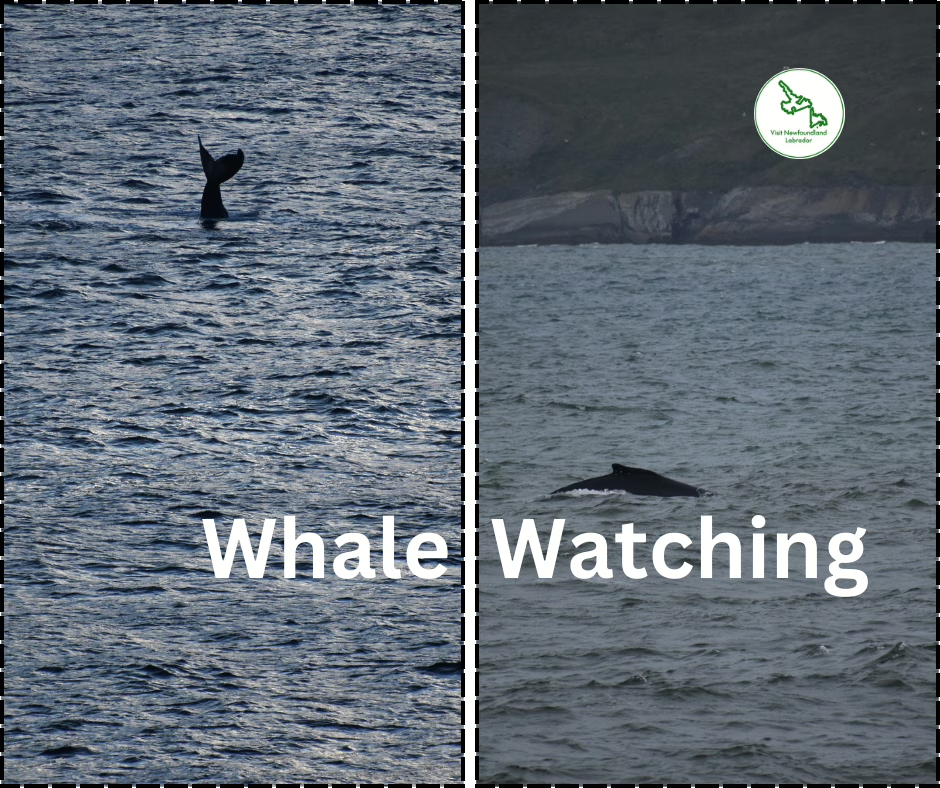
Based on the scenic Trinity Bay, Sea of Whales offers expert‑led excursions focused on whale behaviour and coastal ecology. Small‑group tours aboard Zodiacs or rigid boats provide dynamic viewing opportunities, guided by real‑time sightings for the best possible experience.
Bonavista Puffin & Whale Tours Bonavista Peninsula
This locally owned operator runs daily tours along the beautiful coastline of Bonavista Bay and Trinity Bay, known for regular whale sightings and abundant seabird life. Their vessel, Lady Marguerite, provides both indoor and outdoor viewing options, so you can enjoy the experience in comfort while keeping your eyes on the horizon.
Northland Discovery Iceberg & Whale Tours St. Anthony / Northern Peninsula
For people exploring the wild northern coast, Northland Discovery specializes in expedition‑style tours that often combine iceberg viewing with whale watching. This operator is well suited for those seeking a more remote and immersive encounter in Labrador rich marine environment.
Twillingage Adventure Tours Twillingate
Located in the heart of Iceberg Alley, this operator blends whale watching with dramatic northern scenery. Tours here often include sightings of humpbacks alongside floating icebergs and abundant seabirds, perfect for photography and nature lovers.
Shoreline Whale Watching Hotspots in Newfoundland and Labrador
For those who prefer watching whales from the shore rather than taking a boat tour, Newfoundland and Labrador offers several spectacular headlands and lookout points. These locations provide good access, stunning scenery, and excellent opportunities to spot whales feeding, breaching, or cruising close to shore, all without leaving dry land.
Cape Bonavista Lighthouse Area – Bonavista Peninsula
Perched on cliffs overlooking the Atlantic, the Cape Bonavista Lighthouse is a prime vantage point for observing humpback and minke whales. From spring through early fall, whales feed nearshore, often putting on acrobatic displays against the backdrop of crashing waves and dramatic cliffs.
- Tips: Bring binoculars for long-distance spotting and a camera for capturing whales with the lighthouse in the frame. Early morning or late afternoon offers the best light and heightened whale activity.
Bay Bulls Headland – Near Witless Bay
Bay Bulls Headland provides sweeping views over the rich feeding grounds of Witless Bay Ecological Reserve, a UNESCO-protected marine area. From here, you may spot humpbacks, minkes, and even pilot whales, along with thousands of seabirds, including puffins and murres.
- Tips: Visit during calm summer days for better visibility. The headland’s walking trails also offer breathtaking views of the ocean and coastline.
Elliston’s Lookouts – Bonavista Bay
Elliston, famous for its puffin colonies and whale sightings, features several elevated lookouts along the coast. Whales often feed close to shore here, making this an ideal spot for land-based observation.
- Tips: Early summer is perfect for combined puffin and whale watching. Binoculars and a spotting scope enhance the experience.
Trinity Harbour Trinity Bay
The blue Atlantic waters of Trinity Harbour provide good views of humpbacks and fin whales feeding along the shoreline. The path on the surrounding hills offers natural areas where you can watch whales feed along the bay.
St. Anthony Coastline Lookouts Northern Peninsula
- Tips: Mid-summer through early September is ideal for whale watching at sunrise or sunset.
Why Shoreline Watching Works
- Accessible: Perfect for visitors who prefer not to take a boat, or for families and photographers looking for stable observation points.
- Scenic Lookout: Many lookouts are perched on cliffs or hilltops, offering views of the Atlantic Ocean.
- Timing Matters: Whale activity often peaks during sunrise and sunset, when feeding is most active, and the soft light enhances photography.
Whale watching from the shoreline offers a relaxing alternative to a boat tour. This allows you to take in more of the coastal beauty of the island.
Whether you join a boat tour, watch from a scenic lookout, or plan a dedicated wildlife adventure, the province offers some of the finest whale-watching opportunities on the planet.
These Are The Travel Planning Resources You Should Use
Looking to book your trip to Newfoundland and Labrador? Use these resources that are tried and tested by other travellers like you who vacation in Newfoundland and Labrador. Bookmark these links. Save them for future reference.
Booking Flights, Hotels or B&B: Start planning your next vacation trip by finding the best flight, hotel or b&b deals. Book Here
Finding things to do in Newfoundland and Labrador on TripAdvisor and Viator is not hard. Enjoy boat tours, whale watching, icebergs watching, kayaking and other activities.
You can also find low prices on hotels, B&B and cabins with these two providers. If you are located in Canada, the USA, the UK or Europe, use Booking.com, and if you are in Canada, the USA or anywhere else, use TripAdvisor.
Car Rental: Here is what we recommend:
When you book, you can compare prices and find the best vehicle for your trip. Economybookings.com Display all their vehicle on the website with a detailed description. They display high-quality photos and a user rating as well. Qeeq.com serves road trip travellers like you from different countries by working with car rental companies worldwide.
Get compensated if your flight is delayed or cancel
AirHelp and Compensateair will help you with flight delays, cancellations, or denied boarding. All you need to do is to submit your flight details, and they will handle the claim process on your behalf. They will handle all the paperwork, airline negotiations, and legal proceedings.
Do you need more help planning your trip?
Check out our Resources Page, where we highlight all the resources and companies you can use to assist with your planning.