Newfoundland and Labrador offers more than just famous places like Gros Morne National Park and Signal Hill. If you’re curious, you’ll find hidden coastal villages, secret trails, and scenery most travelers miss. If you’re up for adventure, these little unknown treasures reveal Newfoundland quieter, fascinating side. Let’s start exploring Newfoundland and Labrador gems with St. Vincent’s Beach. This spot on the Avalon Peninsula offers wildlife encounters beyond the usual tourist stops.
St. Vincent Beach Whale Watching from the Shore: An Intimate Encounter with the Atlantic Giants
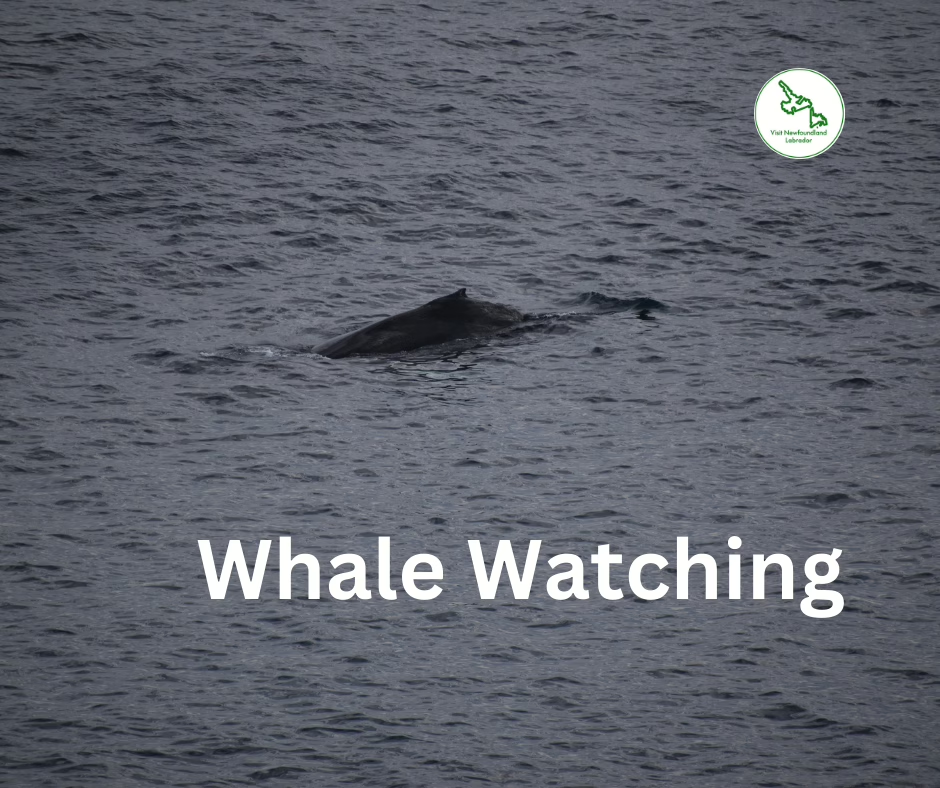
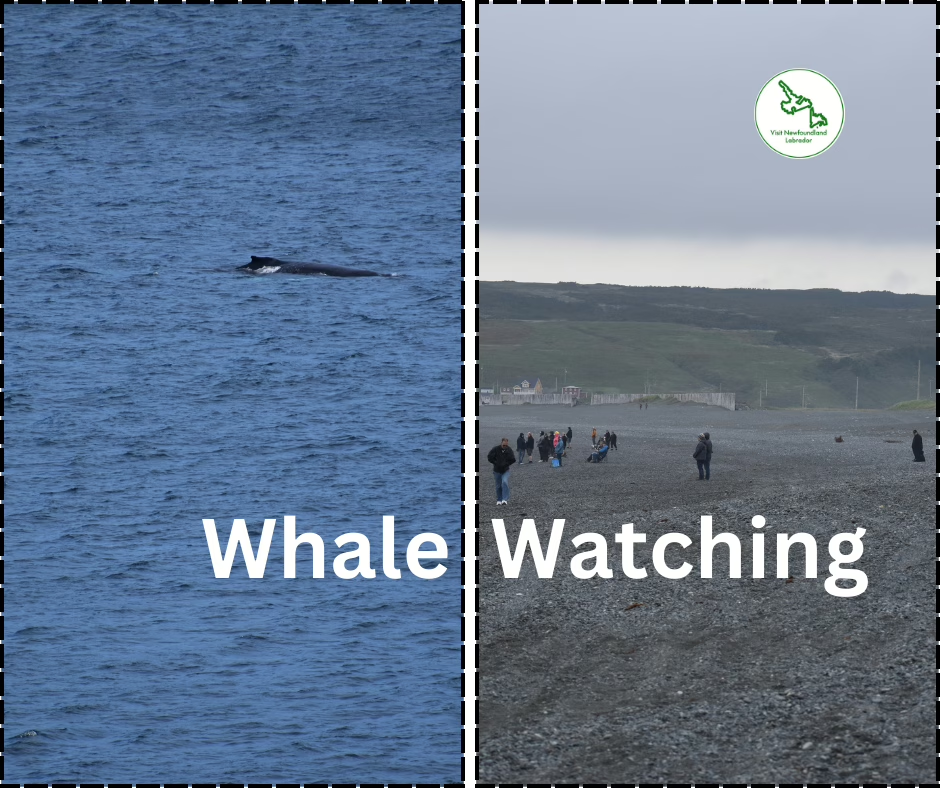
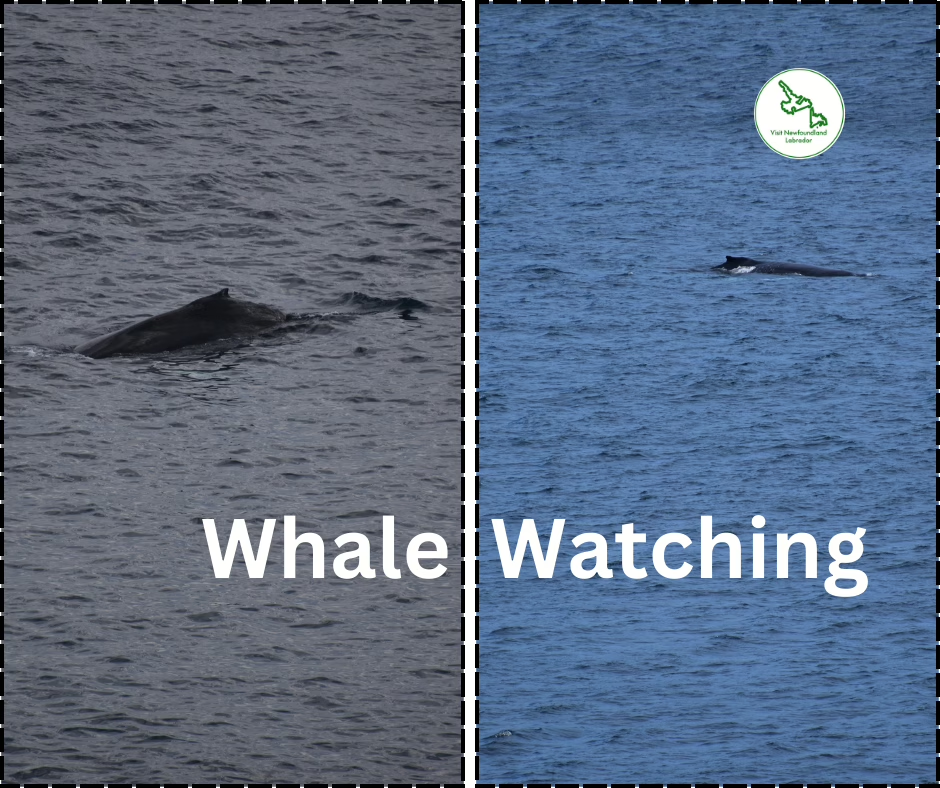
St. Vincent’s Beach sits on the rugged Avalon Peninsula and is one of the best but least-known places to watch wildlife in Newfoundland and Labrador. Instead of joining a crowded whale-watching boat, you can stand on this quiet beach and see humpback whales from the shore.
A Front-Row View of Nature’s Spectacle
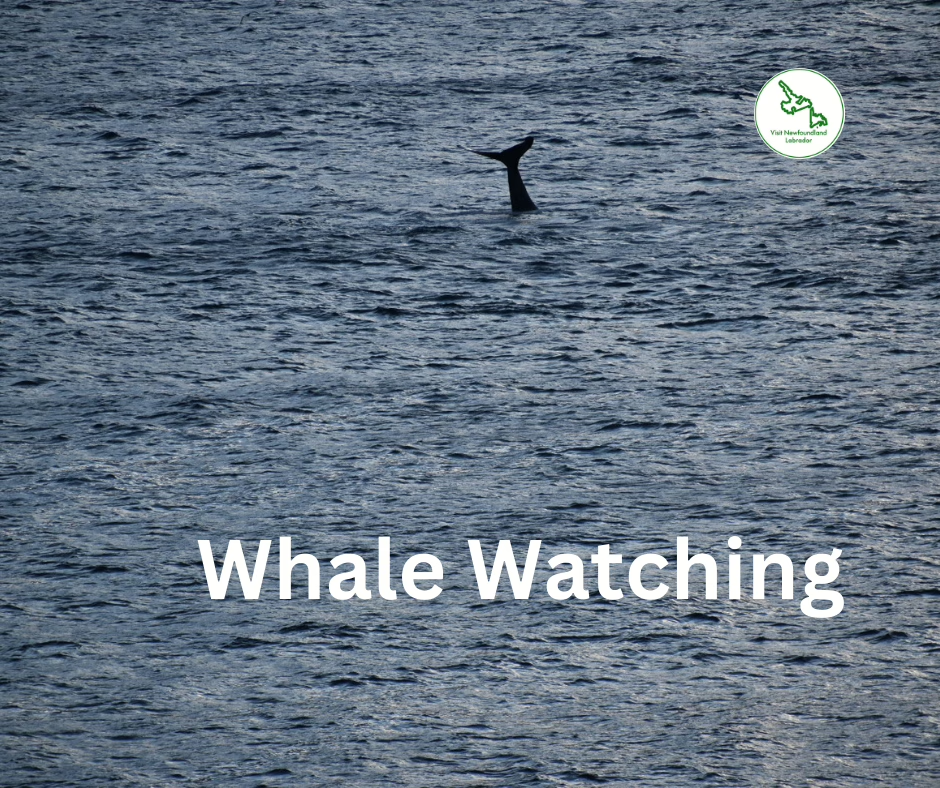
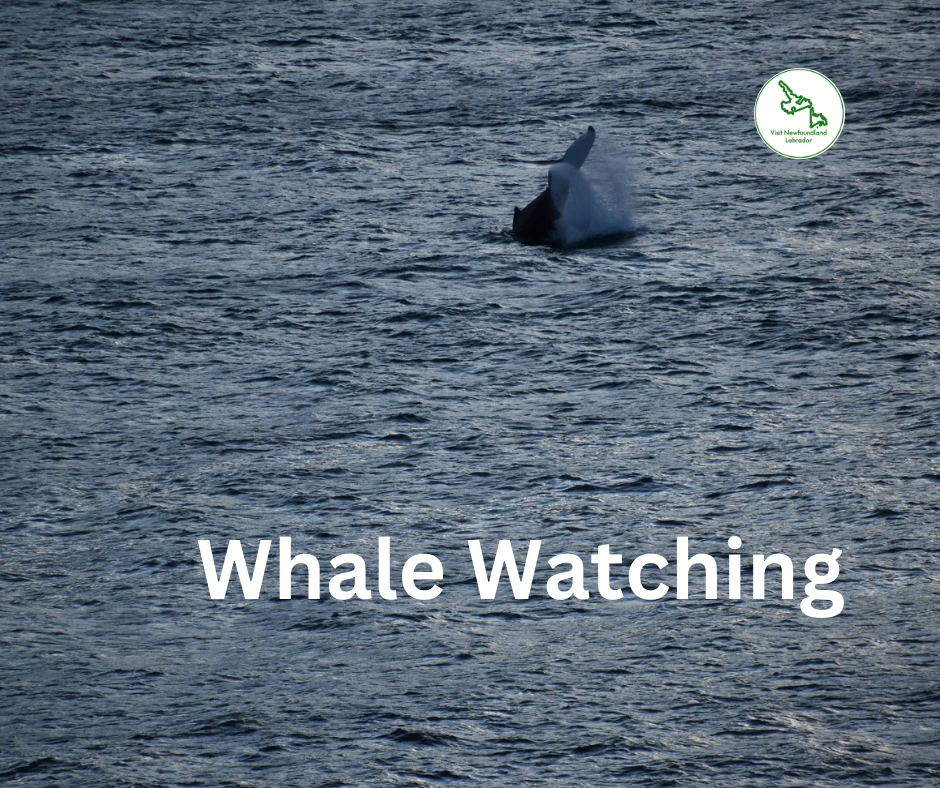
Each summer, the waters offshore become a feeding ground for migrating humpback whales, drawn by abundant schools of fish and krill. From the sand, visitors can watch these impressive animals breach, slap their tails, or glide through the ocean as they feed. Sometimes, whales come just a few meters from shore, forming an encounter that feels wild and intimate, unlike any boat tour.
Why St. Vincent’s Beach Feels Unique
Unlike more commercial whale-watching destinations, St. Vincent’s Beach retains a peaceful, natural atmosphere. There are no crowded tour boats, no noisy platforms, just the open Atlantic, the steady low noise of waves, and the occasional splash of a whale rising above the surface. This simplicity heightens the connection to Newfoundland raw coastal beauty.
When to Visit and How to Get There
The beach is accessible year-round, but summer and spring offer the best experience for whale watching, hiking, and exploring. Winter visits are possible for quiet walks and photography, but be aware of icy conditions and shorter daylight hours. St. Vincent’s Beach is best reached by car, as public transport options are minimal. While roads are paved, some stretches can be narrow, so use caution, especially with larger vehicles. For travellers without a car, taxi services can sometimes be arranged from nearby towns such as St. Mary’s or Trepassey. Local tour operators occasionally offer guided trips to the area in summer, though these may require advance booking. While rideshare services are rare in this region, checking with local accommodations or visitor centers for transportation advice can help non-drivers plan their journey. When visiting St. Vincent’s Beach, bring a GPS or a detailed map as local signs are limited. Follow the main road to St. Vincent’s, then look for local beach access points. Some trails may be overgrown outside peak seasons.
What Makes This Spot Special?
Three main features make St. Vincent’s Beach exceptional for whale watching: its rapid seabed drop-off, nutrient-filled waters, and quiet atmosphere.
Rapid seabed drop-off: The ocean deepens quickly beyond the beach, allowing whales and other deep-water marine life to approach unusually close to land.
Rich feeding grounds: The surrounding waters are filled with fish and krill, attracting whales, seals, and even dolphins.
Secluded ambiance: Few tourists visit, allowing an immersive connection with local wildlife, an uncommon experience in more developed coastal destinations.
Beyond Whales
Besides humpbacks, visitors may see seals, seabirds, or dolphins. Every visit guarantees a new wildlife experience.
Insider Tips
Bring binoculars or a zoom lens. Even when whales come close, binoculars help spot them further offshore.
Dress for coastal weather: Even in summer, breezes along the Avalon coast can be brisk.
Be patient: Whale sightings are frequent, but waiting quietly regularly rewards visitors with remarkable memories.
Visit early morning or late evening for the calmest waters and the most active whale sightings.
A Hidden Wildlife Experience
St. Vincent’s Beach shows visitors that some of Newfoundland and Labrador most memorable moments are found away from the usual spots. Seeing a humpback breaching while you stand alone on a quiet beach goes beyond sightseeing. It’s a real encounter with the province’s wild beauty.
If St. Vincent’s Beach inspires your sense of wonder, continue with us as we shift our journey to Little Heart’s Ease another tucked-away treasure along Newfoundland coast that delivers a different kind of charm.
Little Heart’s Ease Coastal Community
Hidden along the peaceful shores of Trinity Bay, the small coastal community of Little Heart’s Ease offers visitors a rare view of a slower, simpler side of life in Newfoundland and Labrador. Surrounded by rocky cliffs, quiet coves, and the deep blue Atlantic, this charming outport feels like a spot in which time has gently paused.
Unlike busier tourist areas, Little Heart’s Ease provides a true sense of peaceful living. Colourful fishing stages dot the shoreline and wooden homes look out across the harbour, offering scenes worthy of an artist’s sketch. Visitors get an authentic window into a place where local tradition and heritage thrive.
When to Visit and How to Get There
Drive to Little Heart’s Ease for the easiest access, as public transit is limited. Roads are paved but may narrow in places. Use a GPS or map to visit local coves and paths, as signs are few and routes can be less maintained in the off-season.
While the village is small, visitors will find a handful of local shops and convenience stores that offer basic supplies and snacks. Dining options are limited, so it’s best to bring along a packed lunch or picnic if you plan to spend the day exploring. For overnight stays, there are modest bed-and-breakfasts and guesthouses in nearby communities, offering comfortable, welcoming places to experience local hospitality.
The Captivating Scenery
The landscape around Little Heart’s Ease is breathtaking in its simplicity. Rolling hills gently descend to the sea, while rocky headlands frame sweeping views of Trinity Bay. On calm days, the water reflects the nearby hills and sky, forming a tranquil setting that prompts people to pause and admire the scenery.
A Window into Traditional Newfoundland Life
Little Heart’s Ease is a community located on the Southwest Arm along the east coast of Newfoundland, southeast of Clarenville, where life is closely connected to the sea. Fishing has been the backbone of this community for generations, and visitors can still see working stages, tied-up boats, and the buzz of engines signalling a day on the water. Walking through the village, the calls of seabirds and the splash of waves hitting the docks make it easy to forget the activity of modern life.
This community stands out for its hospitable nature. Locals share stories about the village’s history, the joys and hardships of coastal life, and traditions handed along from generation to generation. Conversations at the wharf or along quiet lanes often become memorable moments you’ll remember long after your visit.
Things to Experience in Little Heart’s Ease
While the village itself is small, the surrounding area offers plenty for visitors to enjoy:
Coastal Views: Scenic viewpoints provide sweeping panoramas of Trinity Bay and its rugged shoreline
Photography Opportunities: The colourful fishing stages, historic homes, and spectacular cliffs make this a photographer’s dream.
The quiet atmosphere encourages visitors to explore tranquil roads and coastal paths, surrounded by unspoiled scenery and a rare feeling of peacefulness unique to Little Heart’s Ease.
Insider Tip
Take a walk down to the harbour during the evening hours. When the sun goes down over Trinity Bay, its subtle glow reflects off the water and surrounding hills, creating one of the most peaceful and mind-blowing scenes in all of Newfoundland and Labrador.
A Hidden Outport Worth Discovering
Little Heart’s Ease lets visitors slow down and experience the quieter side of Newfoundland. Its history, charm, and natural appeal make it a hidden gem worth visiting. Continuing along our path of lesser-known discoveries, our next stop gives a view of one of Canada smallest and most unique communities: Tilt Cove.
Local Insider Tip:
Chat with fishermen at the wharf. You may hear stories and lore not found in guidebooks, glimpsing the soul of this remarkable outport.
Tilt Cove Canada Smallest Town
Tilt Cove is tucked along Newfoundland and Labrador northern coastline. Recognized as Canada smallest town, its population has dropped below ten at times. Although tiny, Tilt Cove has a rich history, striking beauty, and a sense of isolation, making it one of the province’s most fascinating hidden gems. Tilt Cove sits beside the waters of Notre Dame Bay, surrounded by rocky coastline, hills, and the Atlantic. Walking through the settlement seems as though stepping back in time. Just a few homes line the shore, creating a quiet peacefulness that defines the town’s character.
A Former-Thriving Mining Community
Tilt Cove may be small today, but centuries ago it prospered as a copper-mining hub. Rich copper deposits started one of Newfoundland first mining operations. At its peak, the town had hundreds of residents, including miners and their families, forming an active community centred around industrial life. The copper mine in Tilt Cove played a key role in the local economy. It exported ore across the Atlantic and fueled regional development. However, as mining operations declined, many residents moved away in search of work. This left behind the peaceful village we see today, a place that now offers visitors a view of Newfoundland industrial past.
When to Visit and How to Get There
Tilt Cove is accessible year-round. Summer and early fall offer the best weather for walking along the shoreline and exploring the coves, while winter offers a peaceful, quiet atmosphere, with shorter daylight hours and the chance of snow-covered paths.
Tilt Cove is a remote community on the northern coast of Newfoundland. The most practical way to get there is by car, as public transit options are virtually nonexistent. The drive involves winding coastal roads, so ensure your vehicle is ready for narrow and sometimes rugged routes.
The roads to Tilt Cove are marked, but signage within the town is minimal. A GPS or a detailed map is strongly recommended for safe navigation in the area. Be cautious on trails and near old mine structures, as some trails may be uneven or unsafe.
Natural Landscaping Beauty
Today, Tilt Cove is defined by its raw landscapes. The surrounding coastline remains largely untouched, with rocky headlands, crashing waves, and sweeping ocean vistas. For travellers seeking peaceful, off-the-beaten-path destinations, Tilt Cove is ideal.
Visitors can:
Explore the shoreline and old mining areas.
Watch seabirds gliding over the Atlantic.
Enjoy silent meditation in a setting far removed from busy tourist routes.
Whether you want photography opportunities, a contemplative stroll, or the chance to experience the natural beauty that Tilt Cove delivers.
Insider Tips
Coastal Walks: Take time to walk along the coastline near the old mining areas. On calm days, views across Notre Dame Bay are spectacular.
Photography: The colourful homes of Tilt Cove stand out beautifully against the rocky shoreline, making for incredible photos.
Timing: Early morning or late afternoon provides the best light for both photography and enjoying the natural serenity.
A Tiny Town with a Big Story
While many travellers focus on famous landmarks, Tilt Cove reminds us that some of the most memorable destinations are also the smallest. Its fascinating mining history, dramatic coastal setting, and peaceful atmosphere make it a truly unique stop for anyone visiting Newfoundland and Labrador.
For those willing to venture off the beaten path, Tilt Cove offers a rare chance to experience a site that history, nature, and a quiet coastal life converge in one unforgettable setting.
Insider Tip: Don’t forget your camera. The vivid homes and rugged shoreline create striking compositions that reflect the essence of Newfoundland hidden treasures.
Chance Cove Coastal Trail Hidden Hiking Paradise
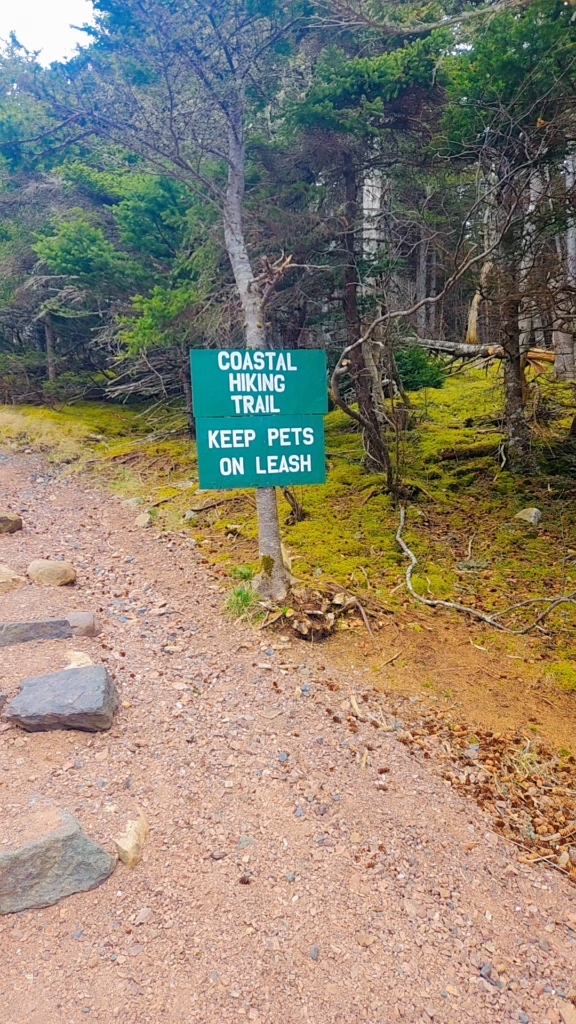
Chance Cove Coastal Trail
Chance Cove Coastal Trail
Located near Chance Cove Provincial Park, the Chance Cove Coastal Trail is a true hidden gem for hikers looking for peace, natural beauty, and an escape from the crowds. Winding through rich forests, rocky cliffs, and quiet sandy beaches, this trail delivers a diverse and immersive coastal experience that fully captures the unspoiled charm of Newfoundland and Labrador.
Unlike the region’s more popular trails, the Chance Cove Coastal Trail remains largely undiscovered by tourists, making it a favourite among community members seeking peaceful outdoor adventures. Every step uncovers something unique, from panoramic ocean views to secluded coves and vivid flowers that bloom in summer.
Stunning Coastal Viewpoints
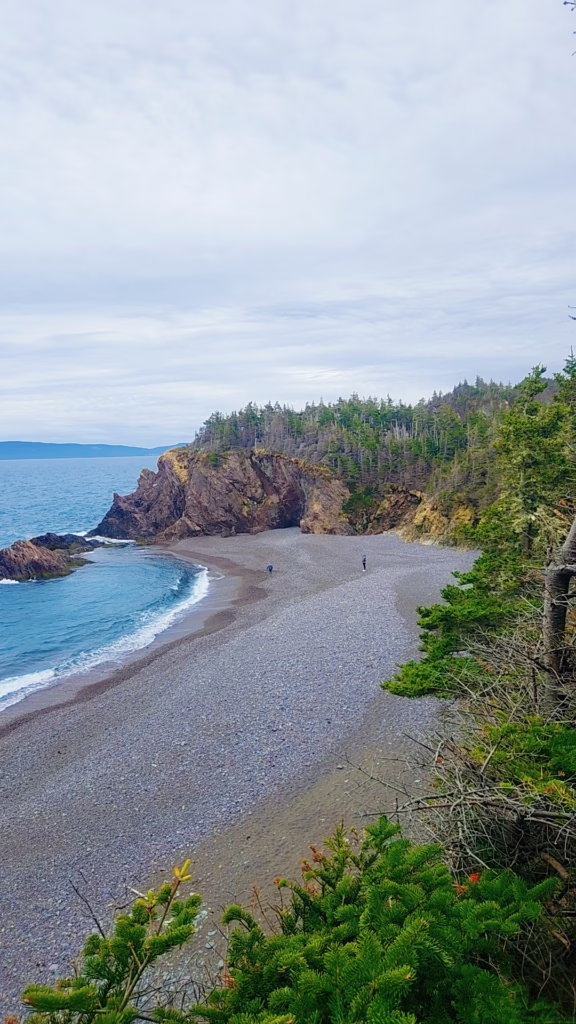
The trail is dotted with coastal viewpoints offering spectacular sights of the Atlantic Ocean. Towering cliffs provide dramatic views of crashing waves and jagged shorelines, while hidden lookout spots reward hikers with an amazing view of the open sea.
Pro Tip: Sunrise and sunset are the best times to explore, as the sunlight casts a subtle radiance on the cliffs and the ocean, making it perfect for photography or merely enjoying the beauty.
When to Visit and How to Get There
Chance Cove Coastal Trail
Chance Cove Coastal Trail
The trail is open year-round, but the best time to visit is late spring through early fall, when the weather is mild, and trail conditions are safer. Winter hikes are possible but can be icy and slippery, so caution is advised.
The Chance Cove Coastal Trail is accessible primarily by car. Public transportation is limited, so driving is the easiest way to reach the trailhead. The parking area is small, so arriving early during peak season is recommended.
The trail is moderately well-marked, with signs at key points. However, having a map or GPS is recommended, especially if exploring side paths or lesser-used sections. Some areas may be uneven or rugged, so proper footwear is essential.
Secluded Coves and Beaches
One of the trail’s most unique characteristics are its secret coves and inlets along the coastline. Visitors can pause, dip their toes in the water, or enjoy nature’s beauty. These coves feel like private corners of Newfoundland and Labrador, far from busier beaches and trails, making them perfect for picnics, photography, or quiet contemplation.
Seasonal Beauty: Wildflowers in Summer
During summer, the trail bursts into flowers, painting the forested paths and coastal meadows in bright colours. These flowers provide a stunning contrast to the deep blue ocean, attracting nature lovers and photographers keen to capture Newfoundland beauty.
Tips from Locals
Start early: Explore in the morning or late afternoon to enjoy soft coastal light and avoid crowds. light picnic: Several secret coves are ideal for a quiet seaside lunch.
Wear sturdy footwear: Some sections near cliffs and rocks are uneven.
Bring a camera: Endless photo opportunities await with cliffs, ocean, and wildflowers framing every view.
An Alternative for Coastal Adventurers
For those looking to avoid the bustle of more popular trails, the Chance Cove Coastal Trail offers a mixture of adventure, scenery, and solitude. Its amalgamation of forest paths, rocky cliffs, and peaceful beaches makes it a superb place for hikers, photographers, and outdoor enthusiasts pursuing an authentic taste of Newfoundland coastal landscapes.
This hidden trail is an indicator that some of the most memorable experiences in Newfoundland and Labrador are off the beaten path, where the environment’s beauty remains untouched, and every turn holds a new discovery.
Greenspond A Historic Island Community: The Pearl of the North
Located along the northern shores of Newfoundland and Labrador, Greenspond is a beautiful island village that represents the charm of classic Newfoundland outport life. Often called “The Pearl of the North,” Greenspond is connected to the mainland by a scenic causeway, making it both reachable and peaceful. Visitors are drawn here for historic beauty, calm harbours, and natural scenery, making it one of the province’s most inviting hidden gems.
A Step Back in Time
Greenspond is famous for its traditional saltbox houses, many painted in bright, cheerful colours that pop against the rugged landscape. Walking through the village feels like being in a world where fishing, community, and tradition shape daily life. For visitors, it’s a unique chance to experience a village largely untouched by modern development, where its history and culture remain alive.
When to Visit and How to Get There
Greenspond is accessible year-round, but summer and early fall offer the most pleasant conditions for walking tours, boating, and wildlife watching. Winter is quiet and scenic, but it comes with shorter daylight hours and icy roads.
Greenspond is accessible by car and ferry. Visitors can drive to the nearby mainland and then take a short ferry or causeway (depending on the route) to reach the island. Public transportation is limited, so driving is the most practical option for most travellers.
The island is small and fairly easy to navigate. Main streets and key sites are signposted, but a map or GPS is helpful for first-time visitors, especially if exploring walking paths or more remote areas.
Experiencing Authentic Outport Life
Greenspond harbours are the heart of the village. Small fishing boats and pleasure craft bob smoothly in the water, accompanied by the soothing sound of lapping waves. Wooden wharfs and stages line the shore, evoking the rhythms of traditional coastal life.
These peaceful harbours are perfect for walks along the waterfront and picnics with an ocean view. giving a true sense of outport life in Newfoundland.
One of Greenspond most spectacular attractions is its spring iceberg season. Icebergs drift south from the Arctic, passing close to the village, providing visitors a rare opportunity to see those massive natural spectacles up close. The best time to catch icebergs here is typically late April through early June, when they are most common. Planning your trip during these months gives you the best chance of seeing this breathtaking natural display.
Greenspond offers one of the most authentic ways to experience outport culture in Newfoundland. Visitors can:
Observe traditional fishing practices.
Hear stories from longtime residents.
Visiting historical sites, including 19th-century churches and community buildings.
This experience blends culture, history, and natural appeal, enticing both history buffs and nature lovers.
Insider Tips
Visit in spring to catch the iceberg season and enjoy a spectacular view.
Stroll the wharf at sunrise or sunset for peaceful harbour moments.
Explore the village on foot to fully appreciate its architecture and history.
Bring a camera the colourful houses, blue waters, and drifting icebergs create perfect photo opportunities.
A Timeless Coastal Escape
For travellers seeking an authentic Newfoundland experience, Greenspond is a top destination. Its heritage charm, quiet harbours, and natural wonders guarantee that every visitor leaves with memories of a place where coastal beauty and warm local culture merge effortlessly.
Western Brook Pond Fjord Viewpoints – A Bird’s-Eye Perspective
While many travellers flock to Western Brook Pond for boat tours along the famous fjord, few venture to the lesser-known hiking viewpoints above the fjord. These lesser-explored trails offer a unique chance to experience breathtaking views from above, providing a perspective most visitors never see. For hikers and nature admirers, this is a possibility to connect with the raw, untouched beauty of Newfoundland and Labrador in an immersive way.
Dramatic Landscapes
Hiking above Western Brook Pond rewards adventurers with views that are truly nothing less than spectacular:
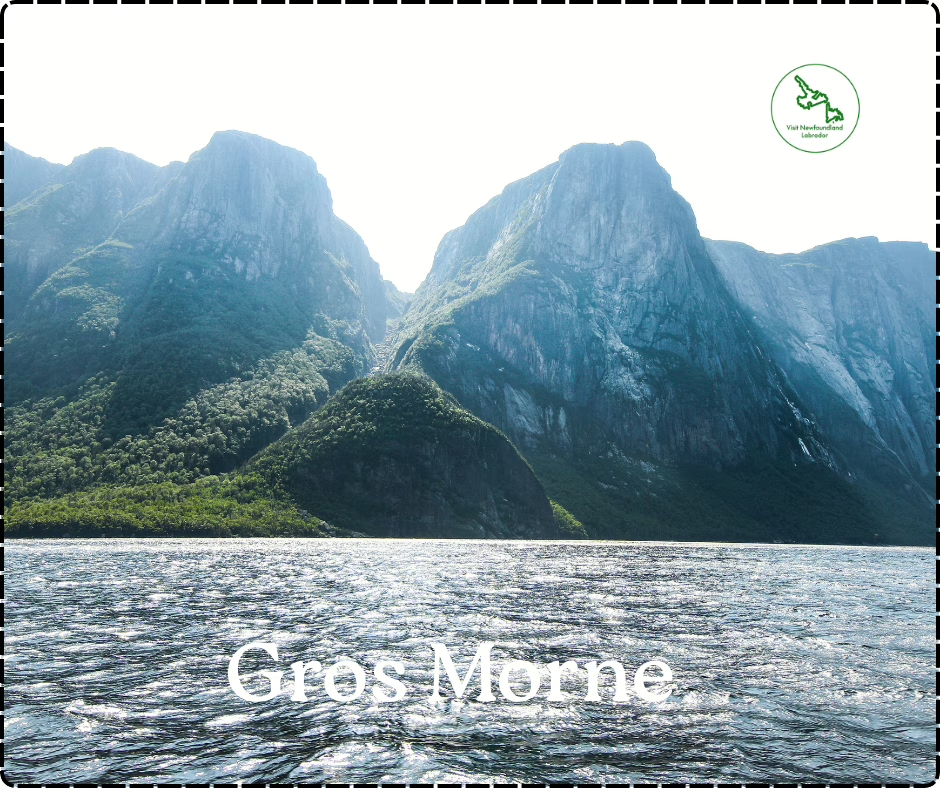
Cliffs: Towering cliffs rise from the fjord, creating an inspiring backdrop and a sense of grandeur unmatched elsewhere in Newfoundland. From these heights, the scale of the landscape becomes apparent. The fjord below seems nearly otherworldly, framed by sheer rock walls and dense woodland.
Glacial Valleys: Carved by glaciers thousands of years ago, these deep valleys reveal the region’s geological formations. The terrain feels ancient and pristine, transporting hikers to a time when ice shaped every ridge and river. Walking along these trails gives a true sense of wilderness, in which nature’s forces are noticeable and inspiring.
Deep Freshwater Fjords: From elevated viewpoints, the fjord’s calm, clear waters mirror the cliffs, forests, and sky above, creating vistas perfect for photographing or meditation. This view allows observers to appreciate the fjord’s depth and the surrounding mountainous grandeur.
When to Visit and How to Get There
The fjord and its viewpoints are accessible year-round, but the best experience is from late spring to early fall, when trails are dry, and boat tours operate. Winter can bring snow and icy conditions, which make hiking and viewing more challenging.
Western Brook Pond is located within Gros Morne National Park. The fjord viewpoints are best accessed by hiking. Visitors typically hike to the park’s trailhead or boat launch area. There is no regular public transportation to the fjord.
Trails to the fjord viewpoints are well marked, and maps and guides are available at the park visitor center. GPS can be helpful for planning the drive and locating trailheads, but once on the trails, signage is generally clear. Boat tours provide another way to view the fjord safely and conveniently.
Viewpoits
Most visitors experience Western Brook Pond from the water, enjoying the fjord at eye level. Hiking to the upper viewpoints, however, offers a completely new perspective:
See the fjord stretching below and the mountains rising dramatically around it.
Observe the patterns of glacial valleys extending into the distance, revealing the landscape’s ancient geological story.
Experience a combination of adventure, serenity, and awe, as each lookout reveals a fresh aspect of Gros Morne’s rugged wilderness.
The viewpoints are more than just scenic spots, they are fascinating experiences that allow you to appreciate scale, texture, and the detailed beauty of one of Newfoundland most iconic natural treasures.
Insider Tips from Locals
Start Early: Hike in the morning for a quieter trail and a mystical view of fog rising from the fjord. The early light transforms the landscape, adding a dramatic, ethereal effect perfect for photography and contemplation.
Dress in Layers: Even in summer, mornings can be cool and breezy at these elevations. A light jacket and sturdy hiking gear are recommended.
Bring a Camera: From cliff edges to glacial valleys and reflective waters, photo opportunities abound along every stretch of the trail.
Plan Your Time: Allow several hours for the hike to fully explore viewpoints, soak in the scenery, and enjoy periods of calm contemplation.
Why Hike Above Western Brook Pond?
For travellers seeking to go beyond the standard boat tours, hiking to the fjord viewpoints grants an unforgettable experience. Here, visitors can:
Witness towering cliffs and glacial valleys in all their majesty.
Enjoy the solitude of the wilderness, far from the crowds.
Capture rare bird’s-eye perspectives that display the natural drama of Gros Morne National Park.
Hiking above Western Brook Pond is more than a trek; it represents a journey into one of Atlantic Canada most dramatic and untouched landscapes, presenting stunning vistas, serenity, and a richer connection to the natural world. Every step along these trails reminds visitors why Newfoundland and Labrador is famous for its rough beauty and wild coastlines.
Cape St. Mary’s Ecological Reserve A Seabird Spectacle
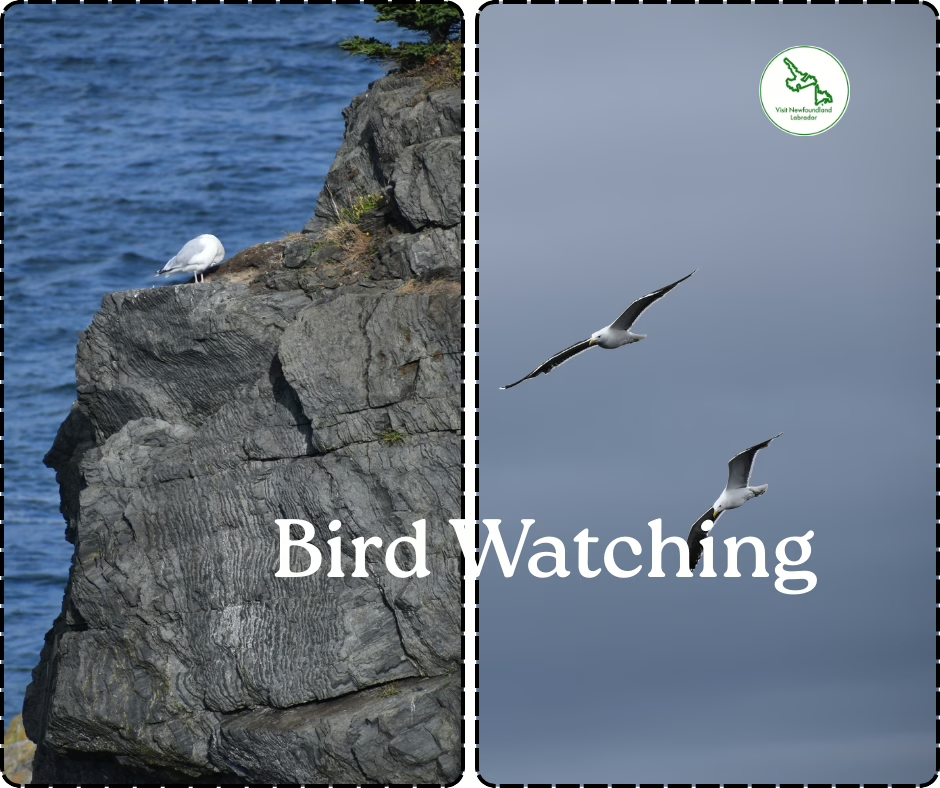
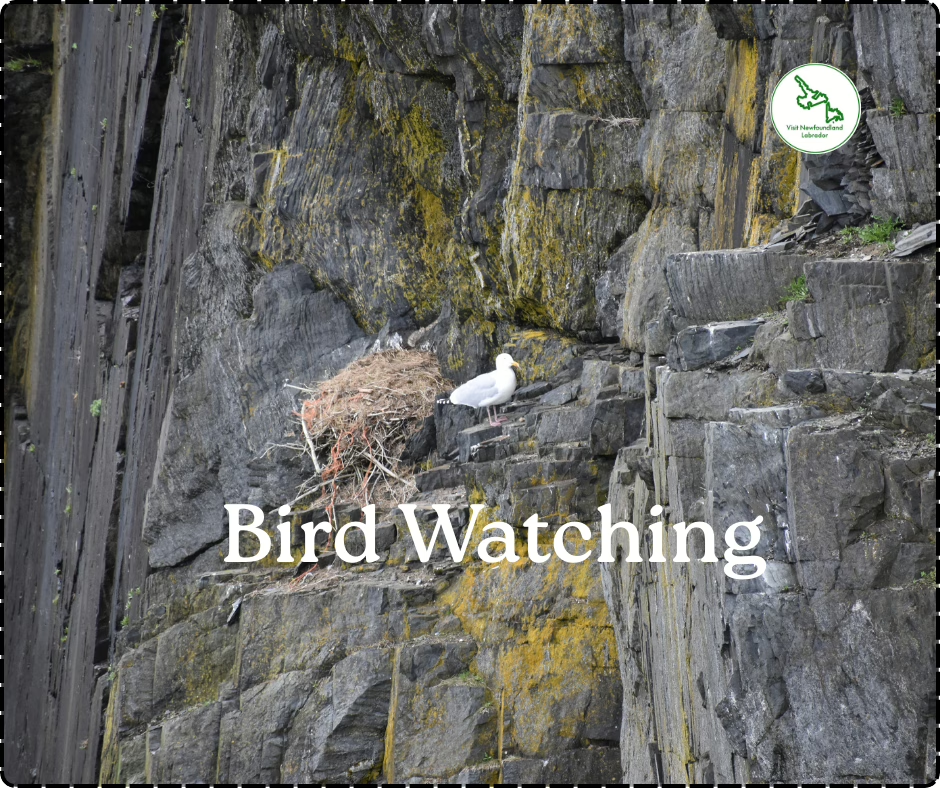
For sea wildlife enthusiasts, birdwatchers, and nature lovers, Cape St. Mary’s Ecological Reserve is nothing but extraordinary. Located along the southern coast of Newfoundland and Labrador, this protected reserve is recognized as one of the most spectacular wildlife sites in Atlantic Canada, giving visitors a unique chance to observe tens of thousands of seabirds nesting along dramatic ocean cliffs. It’s a destination where the ocean pure beauty unfolds in every direction, presenting an experience which is both thrilling and humbling.
When to Visit and How to Get There
The reserve is open year-round, but late spring through early summer (May to July) is the best time to visit, as this is peak seabird nesting season. Summer and early fall also offer excellent viewing conditions. Winter visits are possible but can be difficult because of strong winds, snow, and icy paths.
Cape St. Mary’s Ecological Reserve is best accessed by car. There is no public transportation directly to the reserve, so driving is essential. The roads are paved most of the way, but the final stretch can be narrow and exposed to wind, so cautious driving is advised.
The walking paths and viewing platforms are well-marked and easy to follow. No high-level navigation tools are required once you arrive, though a GPS is helpful for driving to the reserve. Visitors should wear sturdy footwear, as paths can be uneven and windy conditions are common.
The Home for Seabirds
Cape St. Mary’s Ecological Reserve functions as an important breeding ground for multiple seabird species, each supplying its unique presence to the cliffs and ocean skies:
Northern Gannets: These birds have sleek, white bodies and can plunge into the ocean from heights of over 30 meters, creating dramatic splashes. Their flying acrobatics skills make them a favourite among photographers and wildlife enthusiasts as well.
Common Murres: These are smaller seabirds that cling tightly to narrow rock ledges within densely packed colonies. Their black-and-white plumage forms striking geometric patterns upon the rocky backdrop, and visitors are frequently amazed by their sheer numbers and the social structure within these colonies.
Black-Legged Kittiwakes: These birds are Agile and fast; they bring movement and energy to the cliffs. They have soft calls and usually synchronize when flying. But the most unique thing about them is their interactions with chicks, which adds a musical feel to their home.
Observing the seabirds in action, diving, swooping, calling, and feeding chicks, feels as if stepping into a live nature documentary, where predator-prey relationships, breeding behaviours, and colony behaviour unfold right before your eyes.
Cliffs and Oceanic Views
The cliffs at Cape St. Mary’s rise hundreds of meters above the Atlantic, providing sweeping panoramic views of both the coastline and the open ocean. The rough terrain, roaring waves, and bird-filled cliffs create a dramatic, immersive environment for visitors.
Trails and strategically placed observation platforms deliver safe, optimal viewing of the seabird colonies. From these vantage points, you can witness the scale and intensity of the bird activity while taking in the raw, untamed beauty of Newfoundland southern coastline.
Whether you’re hiking along the cliffside trails or standing quietly on a viewing platform, the combination of the cliff’s views and active seabird life guarantees an unforgettable encounter for all visitors.
Insider Tip
Bring Binoculars or a Zoom Lens: While the observation platform offers great views, binoculars allow for detailed animal observation and close-up photography, especially of nesting chicks or diving gannets.
Dress in Layers: Coastal winds can be brisk even in summer. A windbreaker, sturdy footwear, and layered clothing will make your visit along the trails more comfortable.
Best Time to Visit: May through August is the prime season, coinciding with breeding and chick-rearing periods. This is when seabird activity is at its peak, and visitors can see thousands of young birds along the cliffs.
Respect the Wildlife: Stay on designated trails and platforms, avoid disturbing nesting areas, and keep a safe distance from the birds. This provides both your safety and the protection of the reserve’s fragile ecosystem.
Beyond Birdwatching
Cape St. Mary’s is more than merely a scenic stop, it is a living showcase of Newfoundland and Labrador coastal biodiversity. The ecological reserve provides:
A firsthand look at seabird behaviour and breeding colonies
Views of Dramatic geologic formations, including towering cliffs formed by wind, waves, and glacial impact
An immersive nature experience, perfect for photographers, hikers, and wildlife enthusiasts
The reserve gives an insight into the province’s rich ecological fabric, illustrating the stability of marine and bird life along the Atlantic coast.
A Must-See Destination for Wildlife Lovers
For anyone visiting Newfoundland and Labrador, Cape St. Mary’s Ecological Reserve is a destination that cannot be missed. It combines the pleasure of wildlife spotting with the majesty of untouched cliffs, panoramic ocean views, and raw natural beauty.
Whether you happen to be an experienced birder, a landscape photographer, or merely someone who loves to experience nature in its most dramatic form, Cape St. Mary’s offers an everlasting impression of the province’s wild, coastal splendour. Every visit provides an opportunity to observe the strength of nature and the exquisite beauty of seabird colonies, making it a true jewel of Atlantic Canada.
Fogo Island Hidden Artist Studios
Fogo Island, off the northeastern coast of Newfoundland, has earned acclaim for its stunning scenery and lively culture, yet many visitors remain unaware of the remote artist studios scattered across the island. These hidden creative spaces offer an opportunity to discover the intersection of contemporary art, innovative architecture, and Newfoundland rugged coastal beauty, rendering them a key destination for travellers looking for a singular cultural experience.
Architecture That Blends With the Land
What makes Fogo Island studios remarkable is how smoothly they integrate with the surrounding environment. Each studio is designed by architects using natural materials and low-impact construction methods, allowing the structures to appear as extensions of the cliffs, shoreline, and forests rather than as intrusive buildings.
From these studios, scenic ocean views stretch across the Atlantic, offering artists inspiration and visitors a sense of place. Whether perched on a rocky promontory or nestled into a hillside, the architecture complements the raw landscape, producing a congruent dialogue between human artistry and nature’s artistry.
When to Visit and How to Get There
The artist studios are best visited from late spring to early fall, when ferry schedules are more frequent, and weather conditions are more favourable. Some studios may have limited access or hours outside peak season. Winter visits are possible but can be affected by weather-related travel delays.
Reaching Fogo Island requires a combination of driving and ferry travel. Visitors typically drive to the ferry terminal at Farewell and take the passenger and vehicle ferry to the island. Once on Fogo Island, a car is strongly recommended, as the artist studios are spread across several small communities and there is no island-wide public transit.
Some studios are signposted, but others are tucked away along coastal roads. A GPS or offline map is highly recommended, as cell service can be inconsistent in certain areas. Asking locals for directions is common and often leads to helpful guidance or tales along the way.
A Special Cultural Experience
Fogo Island artist studios are more than architectural masterpieces, they are creative hubs where art, culture, and nature meet. Visitors can:
Explore exhibitions featuring contemporary visual art, photography, and installations inspired by the island and its people.
Participate in workshops or artist-in-residence programs to acquire hands-on experience in traditional and contemporary artistic practices.
The artwork produced here represents both the island’s cultural heritage and its natural surroundings, creating an involving experience for anyone interested in creativity, storytelling, and regional artistry.
Discovering the Studios
Unlike mainstream tourist attractions, these studios are scattered and understated, providing visitors with a sense of discovery when they are found. A journey across Fogo Island can include:
Scenic drives along rugged coastlines, dotted with quaint fishing villages, rolling cliffs, and quiet beaches.
Stops at smaller art collectives or local workshops, often off the main roads, offering intimate encounters with the island’s artistic community.
Walking trails and lookout points adjacent to some studios provide breathtaking oceanic and cliffside views that complement the artistic experience.
Every step of the journey evolves into a piece of the adventure, with nature acting as both gallery and muse.
Insider Tip
Plan Your Route: Studios are remote and spread out. Mapping them ahead ensures you don’t miss any hidden gems.
Time Your Visit: Attending during exhibitions or artist-in-residence programs provides a rare chance to interact directly with artists and witness works in progress.
Bring a Camera: The combination of innovative architecture, rugged coastline, and dramatic ocean creates endless photography opportunities.
Take Time to Explore: Don’t rush. Many studios are adjacent to walking trails or lookout points offering views of the Atlantic, perfect for reflection or sketching.
Fogo Island hidden artist studios are a fusion of creativity and wilderness. Visitors do not just view art, they experience it within one of Newfoundland most remote and inspiring landscapes. The island cliffs, untouched beaches, and endless seascapes provide a living background that improves every artwork, turning each visit into a multi-sensory adventure.
For travellers seeking an off-the-beaten-path cultural escape, exploring these studios offers a perspective on Fogo Island that goes beyond its scenic vistas. It is an adventure which merges creativity, discovery, and the beauty of Newfoundland and Labrador, giving visitors memories just as permanent as the art itself.
Twillingate Hidden Beaches: Secluded Shores Beyond the Icebergs
Twillingate is often called the “Iceberg Capital of North America,” attracting crowds to see icebergs drift along its northern coast. Yet, just beyond the main attractions lie hidden beaches that few visitors discover. Long Point and Little Harbour stand out as places where the Atlantic’s beauty takes center stage. Even among the busier tourist spots, these secluded shores offer peace and privacy, making them perfect for a quiet picnic, reflective walks, or simply listening to the waves pound on rugged rocks. The water here is surprisingly clear, making seal spotting easy. Sometimes, if you look hard enough, you might see playful seals near the shoreline early in the morning or late in the afternoon, in the right season.
When to Visit and How to Get There
The beaches are accessible year-round, but the best time to visit is from late spring to early fall. During this period, the weather is milder, and conditions are ideal for coastal walks and exploring secluded coves. Early summer may also bring drifting icebergs along the shoreline. Winter trips provide peaceful scenery but can involve icy paths and strong winds.
Twillingate is accessible by car via Route 340, which connects the island communities to mainland Newfoundland. Public transit are extremely limited, so driving is the most reliable way to reach Twillingate and discover its hidden beaches. Once in the area, many of the quieter coves and shoreline spots require short walks from roadside parking areas.
Some beaches are well-known and easy to locate, while others are tucked away along quiet coastal roads or short trails. GPS or a detailed map is helpful for discovering lesser-known spots. Local tourism offices and residents can also provide recommendations for quieter, scenic beach locations.
Twillingate History and Accommodation
Twillingate History is known for its strong fishing heritage and welcoming community. Visitors should respect private property and shoreline fishing infrastructure. Greeting locals politely and supporting nearby shops or cafes is appreciated. If photographing boats, homes, or people, it’s courteous to ask for permission.
Twillingate has a variety of accommodations, including small inns, bed-and-breakfasts, guesthouses, and vacation rentals. Visitors planning to explore the hidden beaches often stay overnight so they can enjoy the coastline at sunrise or sunset. Summer is the busiest season, so booking accommodations in booking early is advised.
Insider Tips from :
Best Time to Visit: Early spring to late summer is ideal. Sunrise or sunset provides stunning light for photography and a more intimate experience.
Activities: Bring a picnic basket, a blanket, and binoculars for wildlife spotting. For the adventurous, kayaking in the calm coves reveals hidden inlets accessible only by water.
What Makes Twillingate Special:
The beaches in the central region express the essence of Newfoundland rugged, untouched coastline. Unlike the more popular tourist areas, you will feel like you have come across a secret world, where the Atlantic meets untouched sand, sea birds swoop overhead, and icebergs occasionally drift by in the distance, turning even a simple day at the beach into a magical experience.
Perfect For: Families looking for a quiet day outdoors, photographers hunting for that perfect coastal shot, or travellers craving an authentic Newfoundland adventure away from the crowds.
The Biscan Cove Path Newfoundland Coastal Hidden Gem
For hikers looking for a sense of adventure and a challenge , the Biscan Cove Path is one of the East Coast Trail’s most underrated sections. Stretching along the rocky coastline of Newfoundland, this trail connects the village of Pouch Cove to Cape St. Francis, offering coastal views of offshore islands, the Biscan (Offer) Islands, and Pigeon Island.
The Biscan Cove Path showcases Newfoundland iconic coastal landscapes. Along the way, hikers encounter hidden waterfalls, rocky outcrops, and quiet coves, each showing a part of the island unique shoreline. In the summer months, hikers can see whales breaching from afar.
When to Visit and How to Get There
The trail is accessible year-round, but late spring through early fall is the most recommended time to visit. Summer offers the safest footing and the best views of sea stacks, cliffs, and open ocean. Winter and early spring hikes can be beautiful but difficult because to snow, ice, and strong coastal winds.
The Biscan Cove Path is located on the Avalon Peninsula, connecting the communities of Pouch Cove and Cape St. Francis. It is best accessed by car, as there is no public transportation to either trailhead. Visitors typically start from one community and hike toward the other, arranging transportation accordingly.
A GPS device, an offline map, or a trail guide is strongly recommended, particularly in foggy conditions, which are common along this stretch of coast. Some sections run close to steep cliffs, so hikers should proceed carefully and wear sturdy footwear.
Connecting Communities and Nature
Apart from its natural beauty, the trail connects the communities of Pouch Cove and Cape St. Francis. Walking this path, visitors experience the essence of Newfoundland coastal culture, from the historic fishing villages to the isolated lighthouse at the trail’s eastern terminus. The lighthouse offers panoramic views and serves as a symbol of the province’s Atlantic heritage.
Insider Tip
It’s recommended to pack a lunch and pause near the lighthouse to take in the views. It’s one of the most peaceful spots along the coast, where hikers can watch seabirds glide over the cliffs and listen to the waves down below.
It’s also important to note that Biscan Cove lies near small outport communities where respect for the land is important. Visitors should stay on established paths, avoid disturbing wildlife, and follow Leave No Trace principles. Friendly greetings are appreciated, and it’s polite to ask permission before photographing private property or nearby homes.
Why the Biscan Cove Path is Special
The Biscan Cove Path is an example of an off-the-beaten-path adventure in Newfoundland. It combines the pleasure of coastal hiking with exciting views , giving visitors a complete experience of the province’s natural beauty. Whether you are a dedicated hiker, a photographer, or a traveller seeking quiet coastal sights, this trail offers memorable views and experiences that few tourists encounter.
Exploring These Hidden Gems
The magic of Newfoundland and Labrador is not only in its famous landmarks but also in its wild landscapes and small coastal communities untouched by mass tourism. While popular destinations draw crowds year-round, these “hidden gems” offer travellers something rarer: authentic experiences in unspoiled settings.
Exploring lesser-known spots, from secluded beaches to remote hiking trails and historic outport villages, allows visitors to absorb themselves in the unique culture, natural beauty, and peaceful rhythms of the province.
Authentic Local Culture
Visiting these hidden destinations provides a direct connection to the people and traditions of Newfoundland. From quiet fishing villages like Little Heart’s Ease and Tilt Cove to historic communities like Greenspond, travellers witness authentic daily life, local stories, and traditional customs rarely encountered on typical tourist routes. These experiences give a greater understanding of Newfoundland heritage in its coastal communities.
Breathtaking Coastal Scenery
Many hidden gems are located along Newfoundland rugged coastline, where imposing cliffs, peaceful beaches, and glacial fjords produce unforgettable viewpoints. Trails like the Chance Cove Coastal Trail and the Biscan Cove Path offer views that feel untouched by human hands, while vantage points above Western Brook Pond showcase the scale and majesty of the province’s natural landscapes.
Quiet Wilderness Adventures
Away from the crowds, these destinations allow travellers to reconnect with nature. Whether hiking through forests, exploring secluded coves, or watching whales from the shore at St. Vincent’s Beach, visitors can enjoy invigorating wilderness adventures that are invigorating and restorative. The solitude of these experiences draws attention to the sense of escape and wonder that makes Newfoundland and Labrador special.
Build Lasting Memories
Ultimately, these little-known destinations remind us that at times, the best travel experiences are the ones few people know about. They merge adventure, culture, and natural appeal in ways that create a permanent impact on every visitor. Through exploring these hidden gems, travellers do not just see Newfoundland; they experience it in an intimate, authentic, and unforgettable way.
While famous attractions will always draw visitors, the true spirit of Newfoundland and Labrador often lives in its hidden corners: small fishing villages, quiet hiking trails, and rugged coastlines waiting to be discovered.
So the next time you visit, take the road less travelled. You may well find your favourite place in the entire province.
These Are The Travel Planning Resources You Should Use
Looking to book your trip to Newfoundland and Labrador? Use these resources that are tried and tested by other travellers like you who vacation in Newfoundland and Labrador. Bookmark these links. Save them for future reference.
Booking Flights, Hotels or B&B: Start planning your next vacation trip by finding the best flight, hotel or b&b deals. Book Here
Finding things to do in Newfoundland and Labrador on TripAdvisor and Viator is not hard. Enjoy boat tours, whale watching, icebergs watching, kayaking and other activities.
You can also find low prices on hotels, B&B and cabins with these two providers. If you are located in Canada, the USA, the UK or Europe, use Booking.com, and if you are in Canada, the USA or anywhere else, use TripAdvisor.
Car Rental: Here is what we recommend:
When you book, you can compare prices and find the best vehicle for your trip. Economybookings.com Display all their vehicle on the website with a detailed description. They display high-quality photos and a user rating as well. Qeeq.com serves road trip travellers like you from different countries by working with car rental companies worldwide.
Get compensated if your flight is delayed or cancel
AirHelp and Compensateair will help you with flight delays, cancellations, or denied boarding. All you need to do is to submit your flight details, and they will handle the claim process on your behalf. They will handle all the paperwork, airline negotiations, and legal proceedings.
Do you need more help planning your trip? Check out our Resources Page, where we highlight all the resources and companies you can use to assist with your planning.
Where can I find more information about travelling to Newfoundland and Labrador? Here are helpful resources for planning your trip: