
Where to See
Icebergs in
Newfoundland
Every spring and summer, thousands of icebergs from Greenland drift past Newfoundland’s coastline. Some grow over 150 metres tall. Here are the best spots, the exact timing, and how to get as close as you dare.
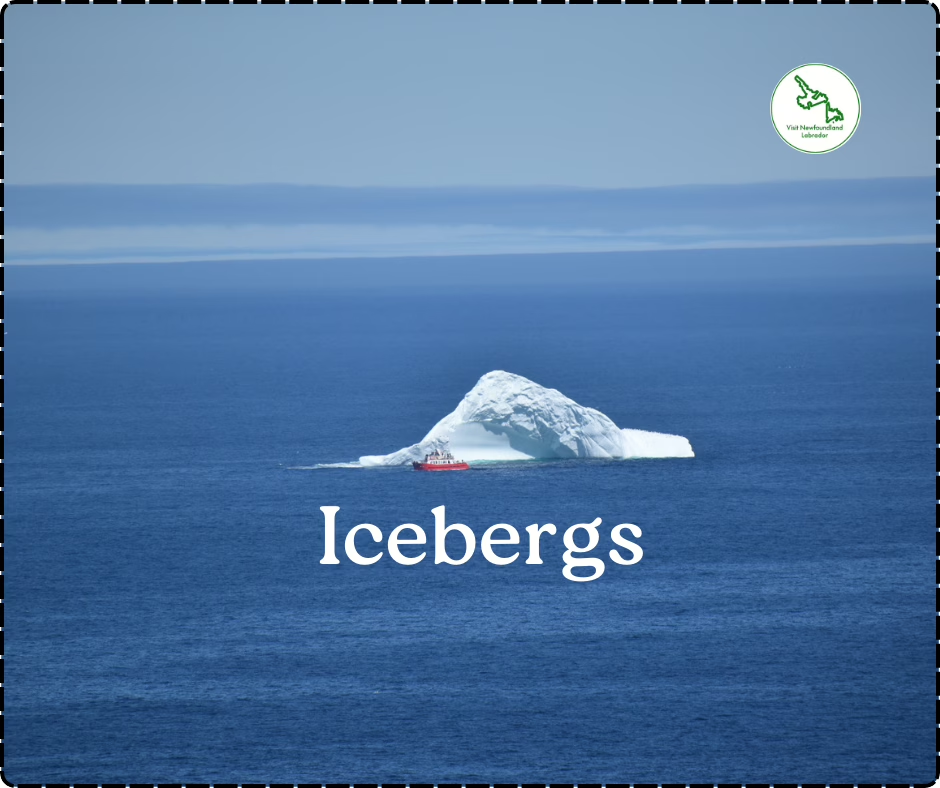

Peak: May & June
Newfoundland & Labrador —
One of the World’s Premier
Iceberg Destinations
Newfoundland and Labrador is home to some of the enormous icebergs seen yearly. Each year, these massive ice giants make their way down from Greenland and Canada’s Arctic Circle and through a stretch of sea known as “Iceberg Alley,” which runs along the east coast of Newfoundland. Iceberg Alley is an area between Canada and Greenland where many icebergs can be seen during April, May, June and July.
Some icebergs are only a few metres long, while others grow over 150 metres in size. Icebergs come in many shapes, sizes and colours. The colour depends on how old they are — if you see one that looks greyish blue with white ridges, it means it is made up mostly of glacial meltwater. The older the iceberg, the more likely it will have a bluish or greenish tinge.
Iceberg season begins early in Newfoundland — icebergs are here in spring and drift away before summer begins. Icebergs are here from April, May through June. They sometimes linger around until early July. You don’t have to go too far to see them — you can often watch them from the coastline without any tours or fees.

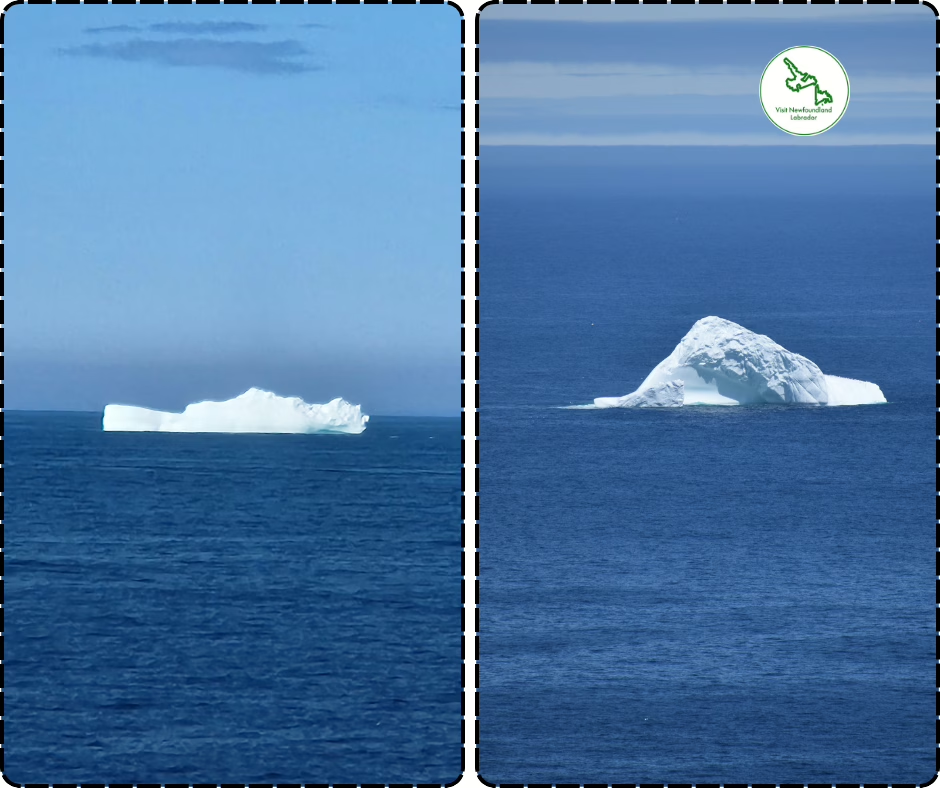
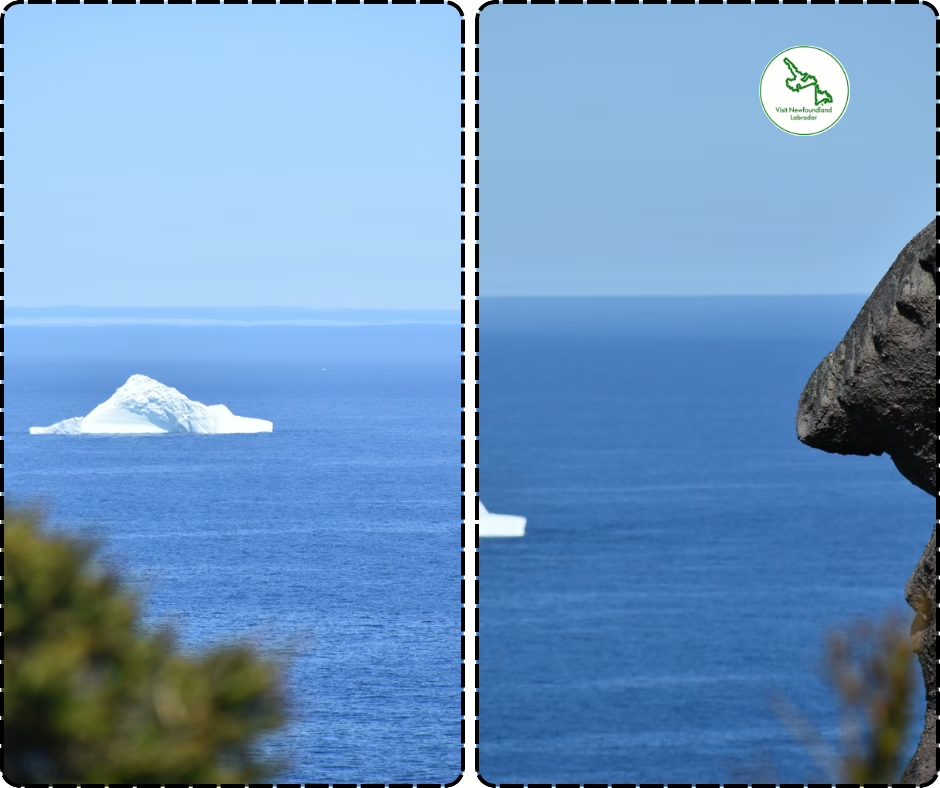


The Best Spots to See Icebergs
in Newfoundland
You can see icebergs best if you visit these places: Bonavista, Twillingate, St. Anthony, Trinity, Fogo Island, Witless Bay, Battle Harbour, Red Bay, Cape Freels, and Cape St. Francis.
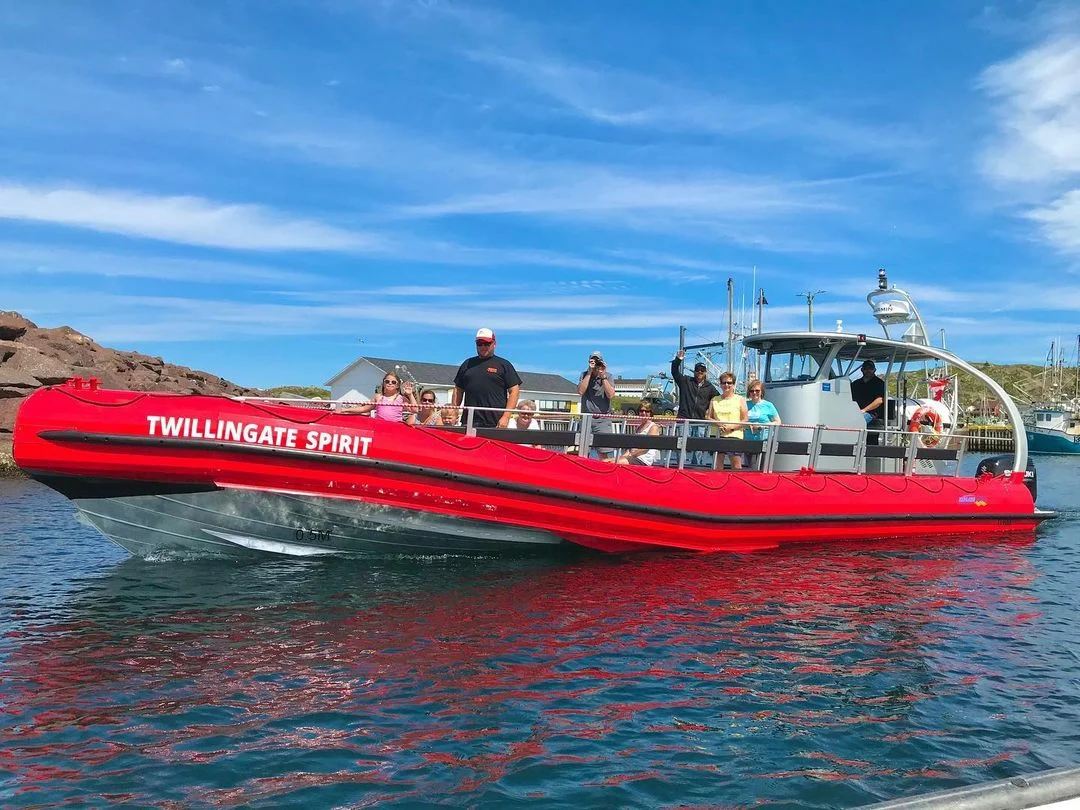
Known as the “Iceberg Capital of the World,” Twillingate is a must-visit destination. The town offers numerous vantage points and is famous for its stunning ice formations. Its position along Iceberg Alley means it has one of the highest iceberg counts of any accessible community in Newfoundland.
St. Anthony is another top spot for iceberg viewing on the Great Northern Peninsula. It hosts the annual Iceberg Festival in June (first Friday of June), where visitors can enjoy boat tours, kayaking, and hiking. Because it is further north, the iceberg season here is longer than further south.
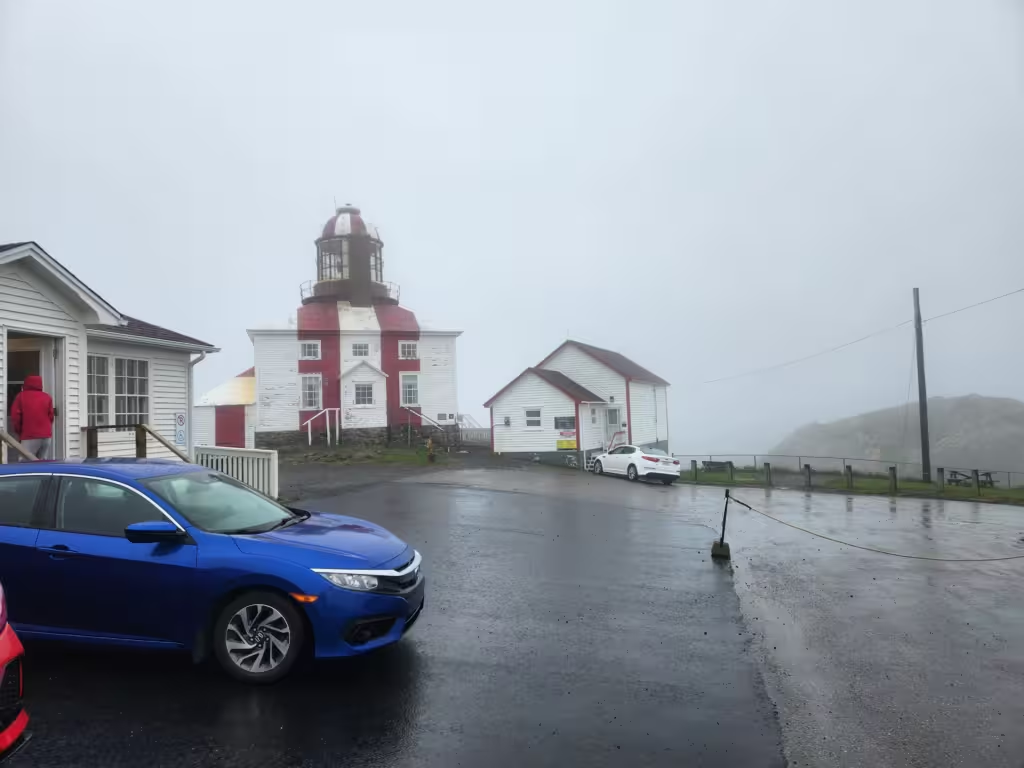
Bonavista Peninsula offers a combination of historical charm and iceberg watching opportunities. The Cape Bonavista Lighthouse offers a panoramic view of icebergs drifting past the historic red and white striped tower, and nearby Elliston also boasts the famous puffin colony — combining two of Newfoundland’s best wildlife experiences in one area.

Fogo Island offers a mix of iceberg viewing and cultural experiences in a remote and extraordinary setting. The Fogo Island Inn provides luxurious stays with iceberg views directly from your room. Change Islands, a 25-minute ferry from Farewell, offers an equally intimate but quieter iceberg and wildlife experience.

Trinity Bay presents a picturesque setting for iceberg watching. The Trinity Loop trail allows hikers to explore the rugged coastline, while boat tours provide a closer look at the icebergs in the bay. The world-class Skerwink Trail in Port Rexton is an exceptional cliff-top vantage point for iceberg spotting during May and June.

Some of the most popular places to see icebergs include St. John’s, Pouch Cove, Bay Bulls, and Ferryland on the Avalon Peninsula’s Southern Shore. Iceberg Quest Ocean Tours departs from St. John’s and offers iceberg, whale, and puffin sightings in one trip.
Iceberg Season —
Month by Month
Iceberg season begins early in Newfoundland, and icebergs are here in spring and drift away before summer begins. Many icebergs can be seen during April, May, June and July.
Iceberg season begins. First icebergs arriving along the coast. Often still locked in sea ice, which can prevent boat tours from operating. Worth checking IcebergFinder.com before visiting.
Icebergs are most plentiful in May. Late May to early June is the prime time in Twillingate. The best month to see icebergs in Newfoundland is May — icebergs are plentiful and weather is more favourable for boat tours and coastal viewing.
June is generally the best month to see icebergs. The highest concentration of icebergs can be seen, offering the most spectacular views. Sea ice has cleared, making boat tours fully operational. The Iceberg Festival is the first Friday of June in St. Anthony.
Icebergs can still be seen in July, although they are much rarer than the peak months of May and June. Usually, the last icebergs melt near St. Anthony in the first week of August — a few weeks earlier around Twillingate and St. John’s.
Iceberg Boat Tours —
Get Up Close
You can book a boat tour or kayak along the coast and watch the majestic bergs drift on their journey. All locations below offer boat tours and stunning views — a once-in-a-lifetime opportunity.
Offers guided boat tours with knowledgeable captains who share local history and iceberg facts. Takes you directly alongside the icebergs in Notre Dame Bay — one of the most extraordinary experiences in Atlantic Canada. Book well in advance for May and June.
twillingateadventuretours.comSpecializes in iceberg and whale watching tours from St. Anthony. The Great Northern Peninsula has a longer iceberg season than further south — an excellent choice for early or late season viewing. Home base for the annual Iceberg Festival in June.
discovernorthland.comDeparting from St. John’s, this tour offers iceberg, whale, and puffin sightings in one trip — the full Newfoundland wildlife experience from a single boat. Excellent for visitors based in the capital who want a day trip on the water during iceberg season.
icebergquest.comHow Icebergs Are Formed
& How They Get Here
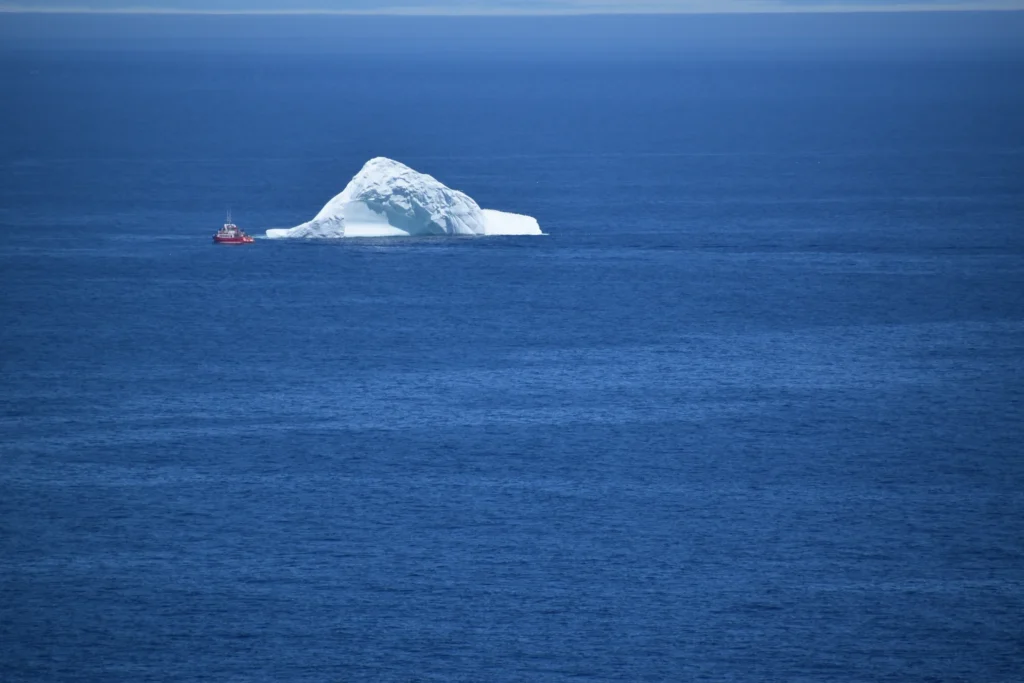
Icebergs are born from glaciers in Greenland and the Arctic. Over thousands of years, compacted snow forms dense glacial ice. When pieces of these glaciers break off — a process known as calving — they become icebergs. These frozen giants can range from small “bergy bits” to massive structures towering over 150 feet above the water. Only about 10% of an iceberg’s mass is visible above water — icebergs are 5 to 10 times as big under the water as what you can see from the surface.
Icebergs drift southward, carried by the Labrador Current. They begin their journey in spring, peaking in Newfoundland waters between April and June. Typically, icebergs seen off Newfoundland begin their journey from Greenland and take about 1–2 years to reach the island. Icebergs generally drift at about 0.7 kilometres per hour, though their speed can vary depending on ocean currents, winds, and size.
In Newfoundland and Labrador, one of the best places to see icebergs in all their glory is the Strait of Belle Isle, where they get trapped between Labrador and Newfoundland’s Northern Peninsula. This concentration makes for some of the most spectacular iceberg viewing in the world.
Important Safety Tips
for Iceberg Watching
While iceberg watching is a thrilling experience, safety is essential. Icebergs are unstable and can break apart or roll over — you can get submerged if you are on the path when these events happen.
Stay back a safe distance from icebergs, especially when on the water. Sudden movements or breaks can occur, posing a risk to nearby boats or kayakers. It would help if you stayed back because icebergs are unstable and can break apart or roll over.
Dress appropriately for the weather — conditions near the coastline can be chilly even in summer. Layered clothing, windproof jackets, and waterproof footwear are recommended for both boat tours and land-based viewing.
Use experienced and licensed tour operators when embarking on boat tours or other iceberg watching activities. These operators prioritize safety and provide knowledgeable guides who understand iceberg behaviour.
Monitor local iceberg reports using websites like IcebergFinder.com. Check with local boat tour operators, Visitor Information Centres, and accommodations for current iceberg conditions and tour information before setting out.
While many icebergs are visible to the naked eye, binoculars allow a closer look at their intricate textures and details from a safe distance. A camera with a good zoom lens is ideal for distant shots from the headland.
Avoid getting too close to large ice formations you come across. Generally it is best to avoid getting too close to any large ice formations while in Iceberg Alley. Follow your tour guide’s instructions at all times.
Tips for a Memorable
Iceberg Watching Experience
Timing Matters Most
Icebergs are most abundant from late April to early June depending on the season. Plan for early May to mid-June for optimal iceberg sightings. The best time to visit Iceberg Alley is from late May to early June — during this period the highest concentration of icebergs can be seen.
Track Live with IcebergFinder.com
Before you head out, check IcebergFinder.com for real-time iceberg sighting reports submitted by locals and visitors along the coast. You can also follow @visitnewfoundlandlabrador on Instagram and Facebook where we share iceberg pictures with location and date.
Combine with Puffins in June
June is the only month you can reliably see icebergs, puffins, AND whales at the same time. Twillingate icebergs + Elliston puffins is one of the greatest wildlife double-bills in Atlantic Canada. May and June offer this triple opportunity.
The Further North, the Longer the Season
The further north you go, the longer the iceberg season. Icebergs pass through Iceberg Alley from spring to early summer. As you move north toward St. Anthony and Labrador, the season stretches a bit longer. Usually the last bergs melt near St. Anthony in the first week of August.
Land-Based Viewing is Free
You don’t have to book a tour to see icebergs. Long Point Lighthouse (Twillingate), Cape Bonavista Lighthouse, Ferryland headland, Fishing Point Park (St. Anthony), and Cape Spear all offer exceptional free land-based iceberg viewing during season.
Iceberg Colours Tell a Story
The colour of icebergs depends on how old they are. If you see one that looks greyish blue with white ridges, it means it is made up mostly of glacial meltwater. The older the iceberg, the more likely it will have a bluish or greenish tinge. Black icebergs contain sediment and debris from glaciers.
Why Icebergs Matter —
Beyond the View
Iceberg watching in Newfoundland and Labrador goes beyond its visual splendour and holds significant ecological importance. These drifting ice formations carry freshwater from ancient glaciers, enriching the marine ecosystem along their path. The nutrients released by melting icebergs support the growth of phytoplankton, which forms the basis of the food chain for numerous marine organisms.
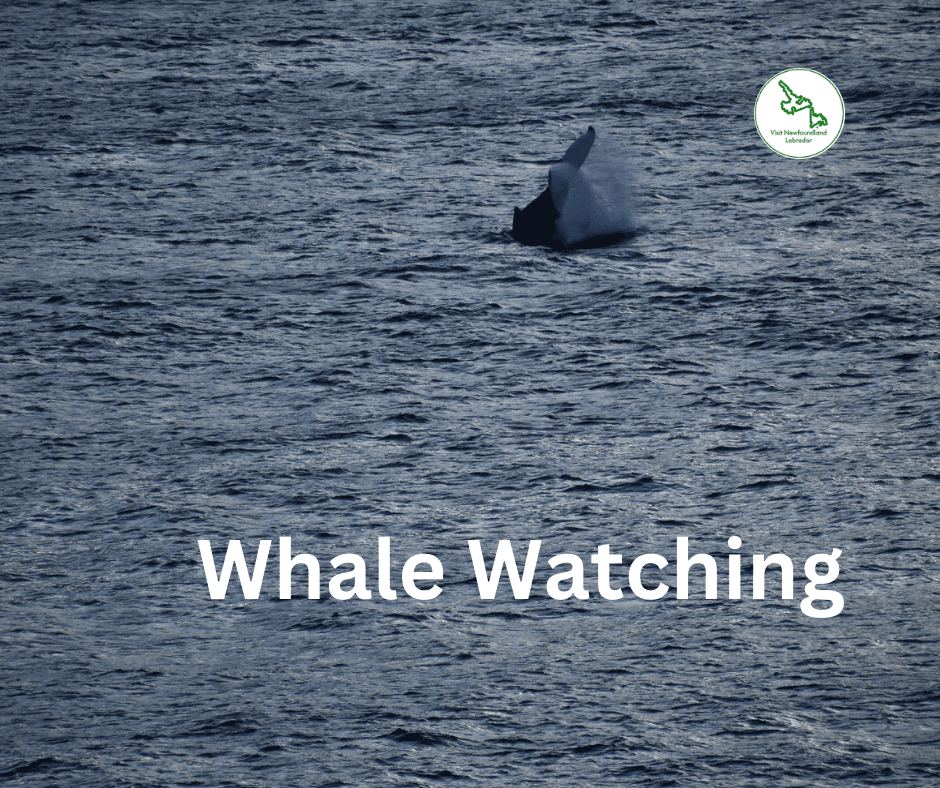
Icebergs provide a unique habitat for various species. Birds such as gulls, kittiwakes, and fulmars often perch on the floating ice, using it as a resting place or a hunting ground. Seals and whales are also attracted to icebergs, seeking food and refuge in their vicinity. This is why you often see humpback whales near icebergs in May and June — the melting ice attracts the small fish that whales feed on.
Icebergs have played a significant role in Newfoundland and Labrador’s cultural and historical heritage. The indigenous Inuit and Innu peoples have long relied on icebergs as a vital resource. Stories of encounters with these natural wonders have been passed down through generations, enriching the region’s folklore. Explorers, sailors, and fishermen have navigated the treacherous waters around icebergs, cementing their place in local traditions.
Iceberg Watching —
Common Questions
More Iceberg & Wildlife Guides

Icebergs
Witnessing these majestic giants is a truly spectacular sight which should not be missed while visiting Newfoundland and Labrador. Book your flights, accommodation, and tours now.