Welcome To The Labrador Region

Labrador Region | The Big Land | Visit Newfoundland & Labrador
Home Regions Labrador
🏔️ Torngat Mountains National Park
🌍 Red Bay UNESCO World Heritage Site
Region 5 of 5 · The Mainland · Canada’s Last True Wilderness

Labrador
The Big
Land

Vast. Remote. Extraordinary. Labrador is eastern Canada’s last great wilderness where polar bears roam beneath the Northern Lights, ancient Inuit culture guides you into the mountains, and fjords plunge from peaks higher than anything east of the Rockies.
🏔️ Torngat Mountains Highest Peaks East of Rockies
🌍 Red Bay UNESCO World Heritage
🎇 Northern Lights Fall & Winter
🐻‍❄️ Polar Bears Torngat
⛴️ St. Barbe Ferry Gateway to the Big Land
294,330
km² Area
~29,000
Population
2
UNESCO World Heritage Sites
1,600 m
Torngat Peak Height
Sep–Mar
Northern Lights Season
Fully Paved
Trans-Labrador Highway
Labrador wilderness dramatic mountain landscape ancient geology
Outdoor wilderness adventure Labrador wilderness expedition
The Big Land Canada’s Last
True Wilderness
About Labrador

Canada’s Most Extraordinary
Wilderness Destination

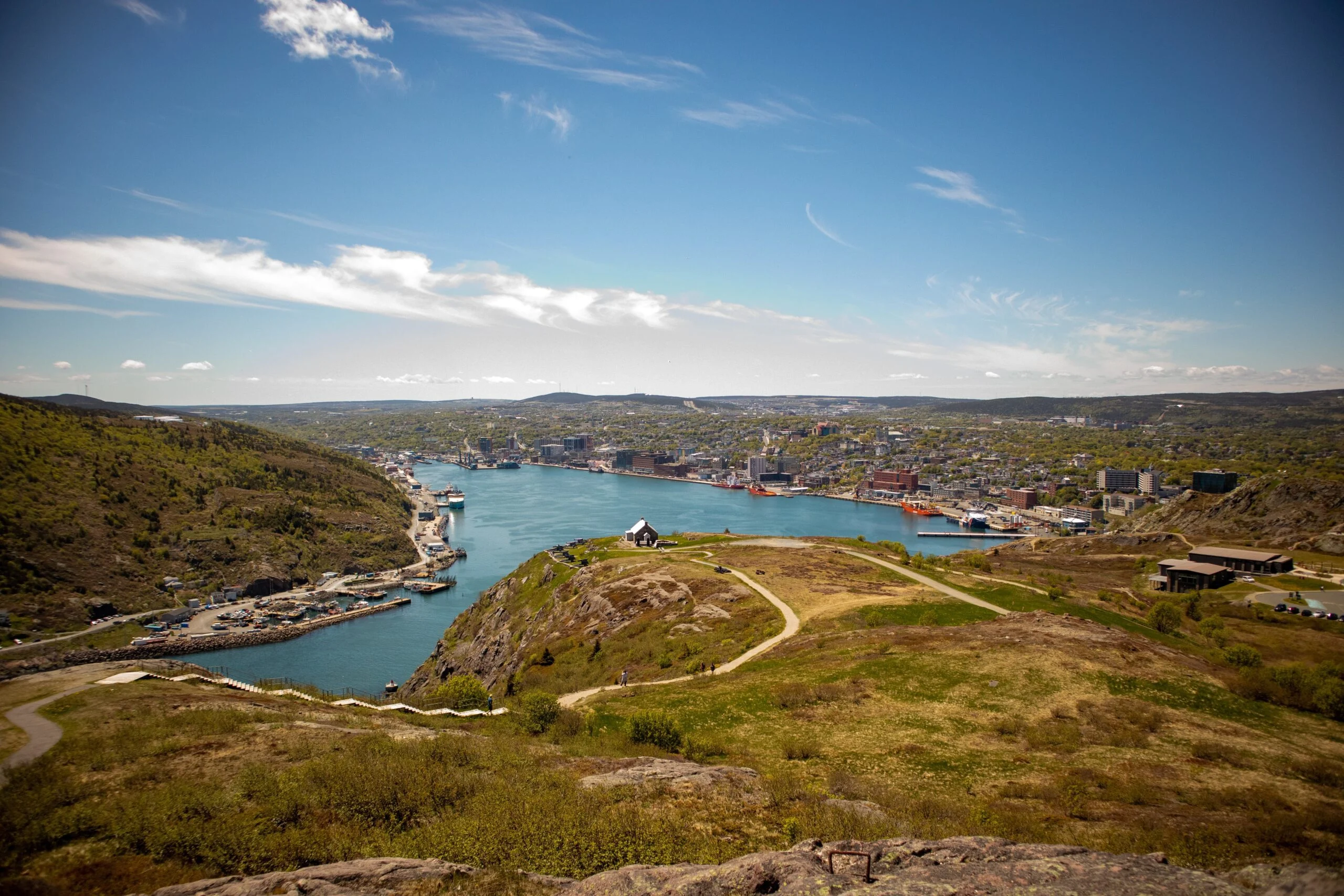
Labrador is the mainland portion of the province of Newfoundland and Labrador a vast, sparsely populated land of ancient mountains, Arctic tundra, pristine rivers, and coastal communities that have weathered storms and seasons for centuries. It is known simply as the Big Land.

Its scale is difficult to grasp: at 294,330 km², Labrador is larger than all three Maritime provinces combined, yet is home to only about 29,000 people. The result is an extraordinary sense of space, solitude, and wilderness unlike anywhere else in eastern Canada. The Trans-Labrador Highway now fully paved threads through this immensity, connecting Labrador City and Churchill Falls in the west to Happy Valley-Goose Bay and the southern Labrador Straits communities.

Labrador holds two UNESCO World Heritage Sites Red Bay National Historic Site, a 16th-century Basque whaling station, and (shared) L’Anse aux Meadows as well as the extraordinary Torngat Mountains National Park, home to polar bears, caribou, and the Inuit of Nunatsiavut. It is where the Northern Lights paint the sky through fall and winter. Where brook trout angling is the finest on Earth. Where silence is a luxury that costs nothing.
Torngat MountainsRed Bay UNESCOBattle Harbour Northern LightsPolar BearsTrans-Labrador Hwy Inuit CultureMealy MountainsFishing Point AmourLabrador CoastBig Land
Labrador wilderness mountains fjords dramatic landscape
Mountain Wilderness
Whale watching Labrador coast marine wildlife
Labrador Coast Whale Watching
Seabirds nesting Labrador cliffs bird watching wildlife
Labrador Coast Seabirds
Icebergs Labrador Strait Belle Isle iceberg alley spring
Icebergs Strait of Belle Isle
Remote coastal community Labrador fishing village
Labrador Coastal Communities
National Park · Inuit Homeland

Torngat Mountains
Where the World
Begins Again

At the northernmost tip of Labrador, Torngat Mountains National Park contains some of the most spectacular and untouched wilderness on Earth. With peaks rising to over 1,600 metres the highest east of the Rockies the Torngats plunge directly into Arctic fjords, creating a landscape so elemental and vast it feels primordial.

This is the Inuit homeland of Nunatsiavut a living, breathing cultural landscape where Inuit have hunted, fished, and lived for thousands of years. All visits to the park are guided by Inuit, who share their profound knowledge of this land through storytelling, traditional food preparation, and walks through sites their ancestors knew intimately. It is not merely a wilderness experience it is a cultural encounter unlike any available elsewhere in Canada.

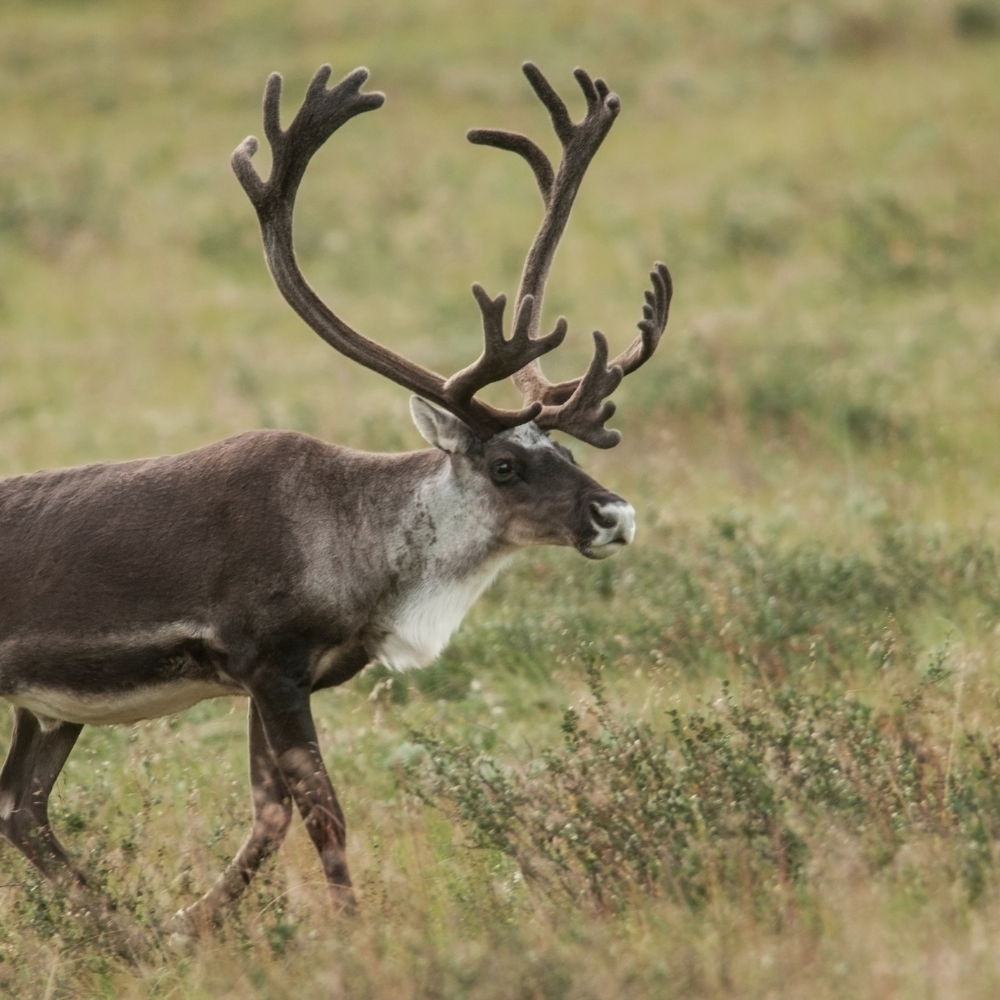
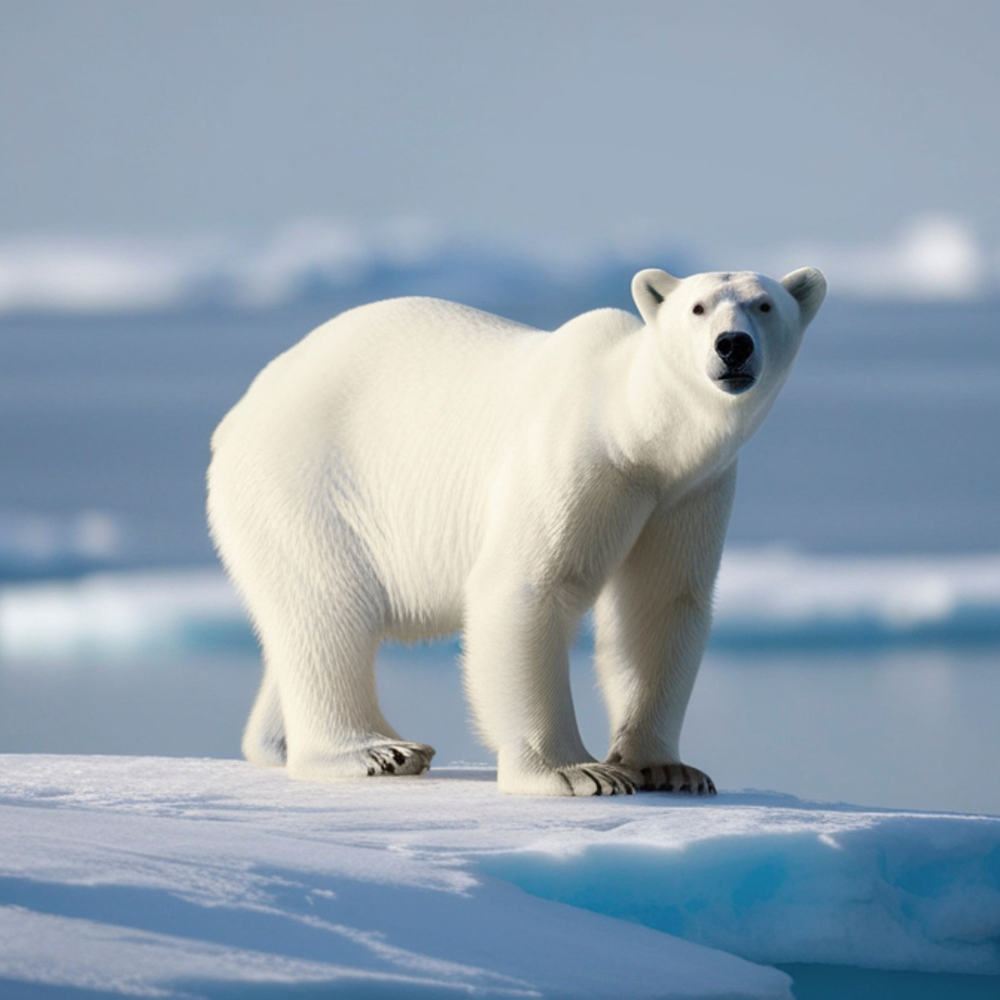
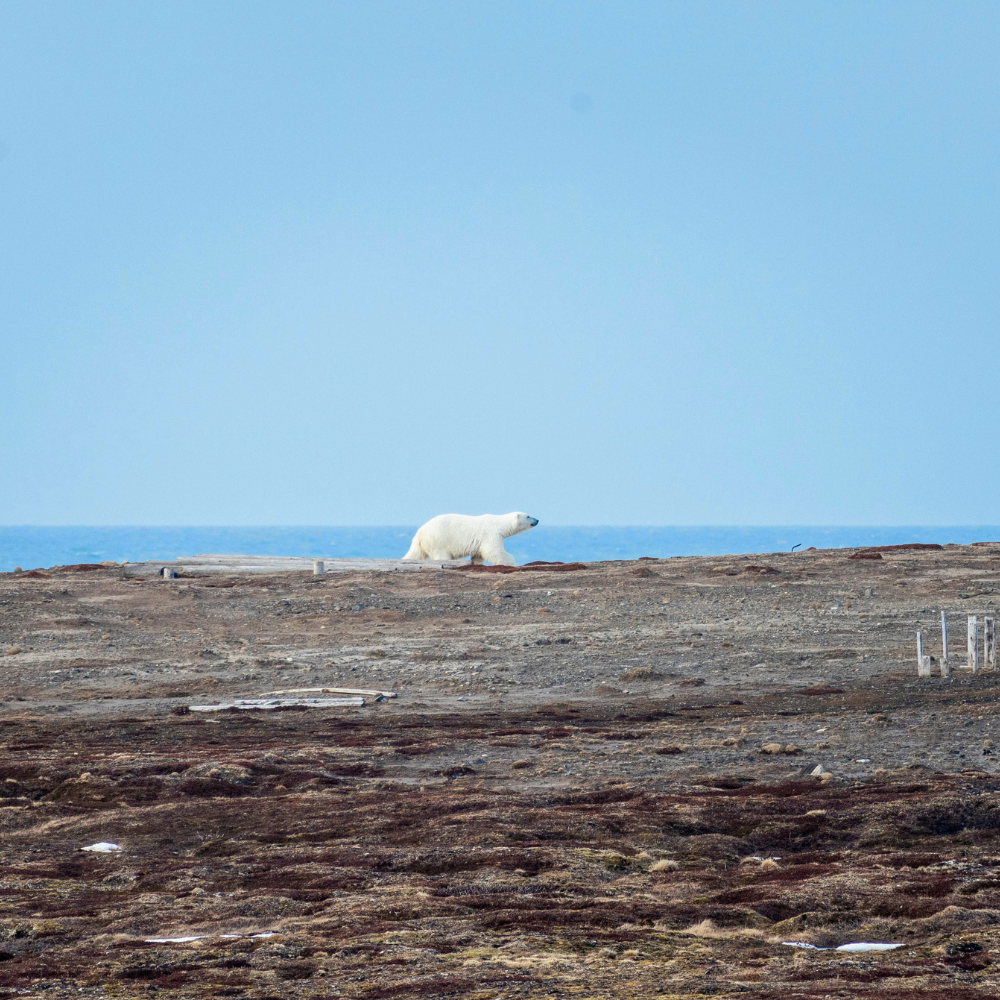
Torngat is also renowned for its polar bear population, with bear monitors accompanying all excursions through the park. Barren-ground caribou, Arctic foxes, peregrine falcons, and humpback whales feeding in the fjords complete a wildlife encounter of extraordinary richness.
9,700 km²
Park Area
1,652 m
Highest Peak
Jul–Aug
Base Camp Season
Inuit Guided
All Excursions
Torngat Mountains National Park fjords peaks Labrador Arctic boat tour wilderness fjord Labrador expedition Remote wilderness Labrador ocean view expedition tour
Must-See Destinations

Labrador’s Most
Extraordinary Places

From a UNESCO World Heritage 16th-century whaling station to the tallest lighthouse in Atlantic Canada Labrador iconic sites reward those who make the journey.
Red Bay National Historic Site Basque whaling UNESCO World Heritage Labrador
🌍 UNESCO World Heritage · 16th-Century Basque History
Red Bay National Historic Site
At the height of its operation in the 1560s, Red Bay was one of the world’s busiest industrial operations a Basque whaling station that sent up to half a million gallons of whale oil back to Europe annually. Today it’s a UNESCO World Heritage Site with a remarkable underwater archaeological site, museum, and Saddle Island trail.
Official Parks Canada Site
Battle Harbour historic restored fishing village Labrador island
🏘️ Historic Fishing Village · Living Museum
Battle Harbour Historic Site
Spending a night at Battle Harbour a lovingly restored 19th-century fishing village accessible only by boat is one of the most memorable experiences in all of Canada. Icebergs drift past in spring, humpbacks cruise the dock in summer, and the wooden buildings stand exactly as they did when this was the salt fish capital of the world.
battleharbour.com
Point Amour Lighthouse tallest Atlantic Canada Strait Belle Isle Labrador
🔦 Tallest Lighthouse in Atlantic Canada
Point Amour Lighthouse
Built in 1855 and standing 33 metres tall the tallest lighthouse in Atlantic Canada Point Amour offers sweeping views of the Strait of Belle Isle from its 132-step summit. Whales, icebergs, and seal colonies are regularly visible from the coastal trail below. The visitor centre tells the story of the Basque, English, and Inuit who have navigated this strait for centuries.
Marine Wildlife

Whales, Seals
& Seabirds Along
the Labrador Coast

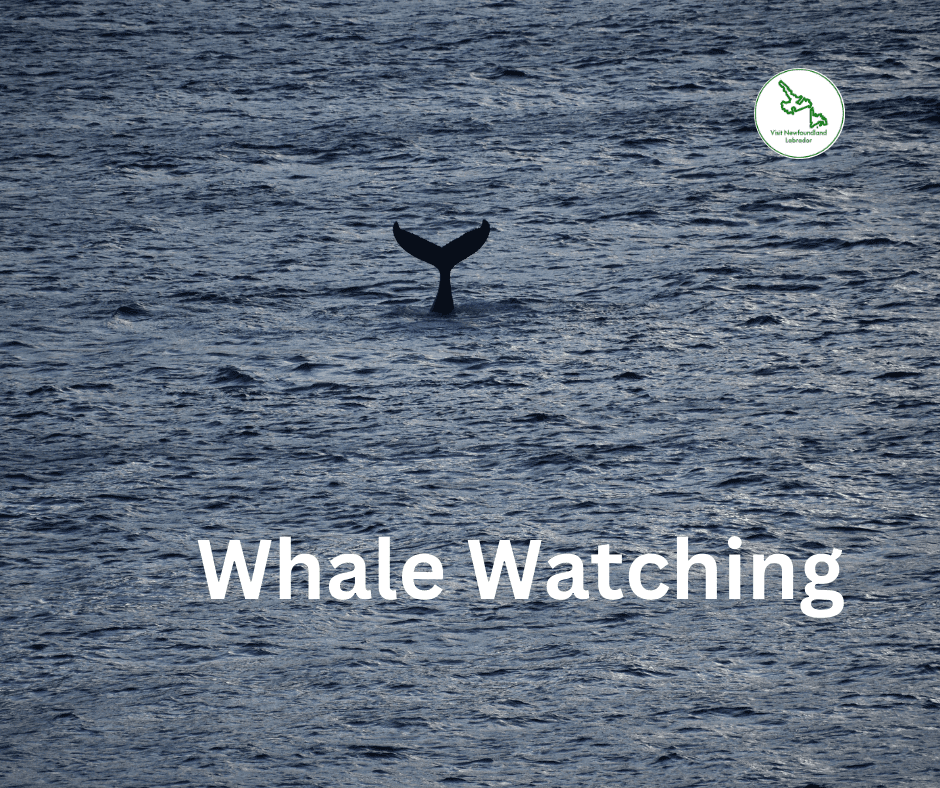
The Labrador coast is extraordinary marine wildlife habitat. The confluence of the cold Labrador Current and warmer Atlantic waters creates an upwelling of nutrients that supports one of the richest marine ecosystems in the North Atlantic. Whales, seals, seabirds, and the occasional polar bear swimming between islands are all part of the Labrador coastal experience.

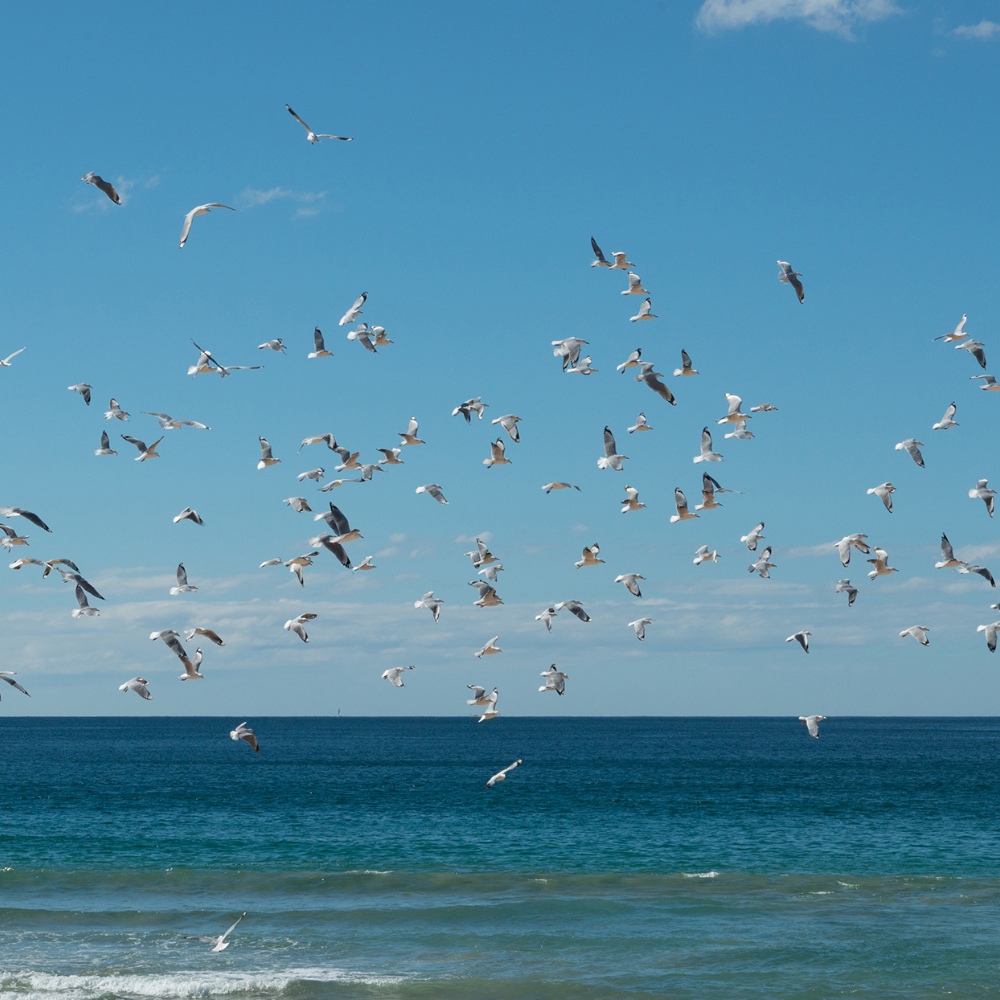
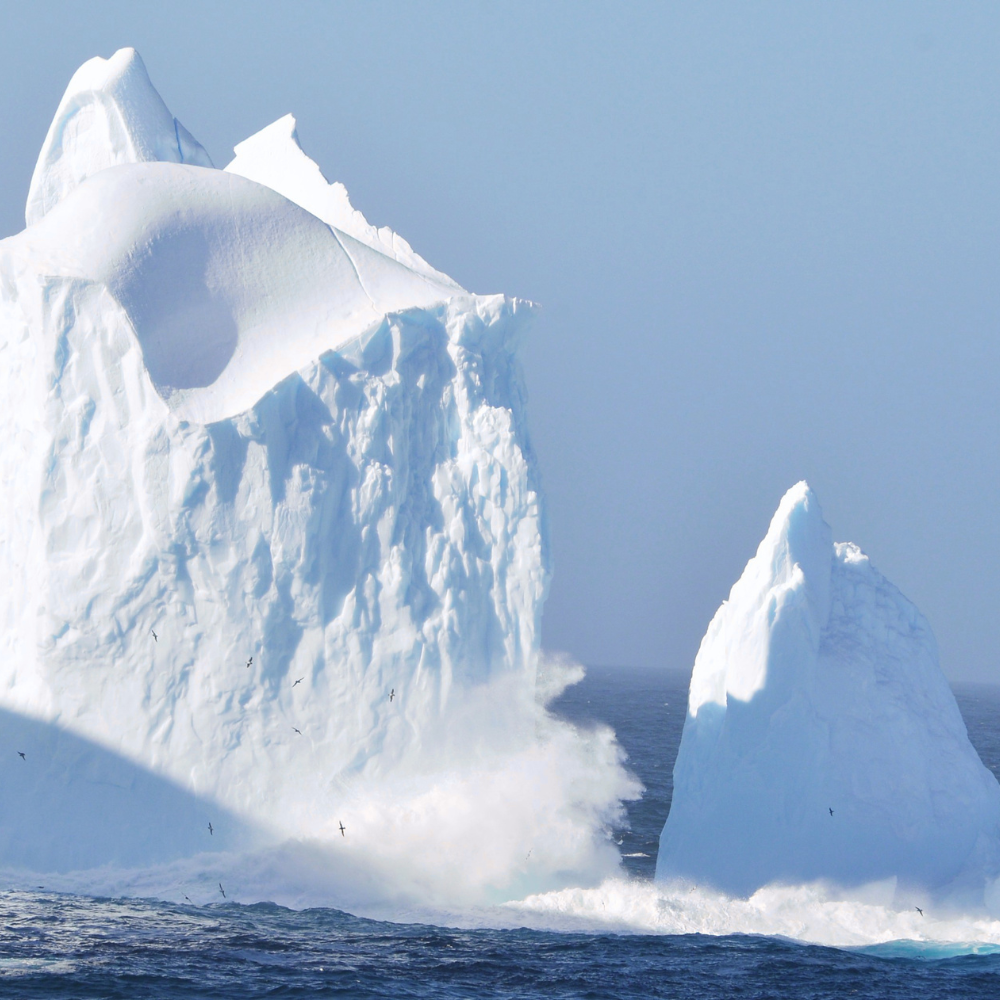
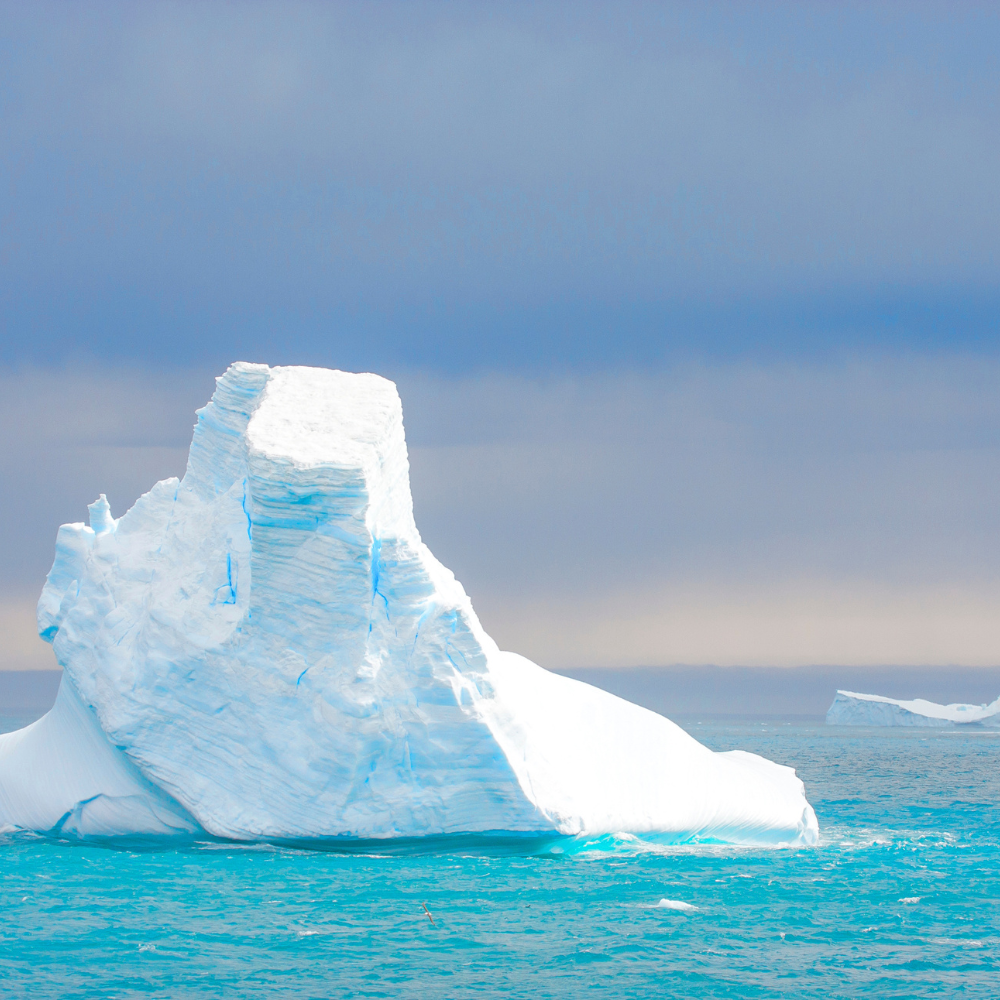
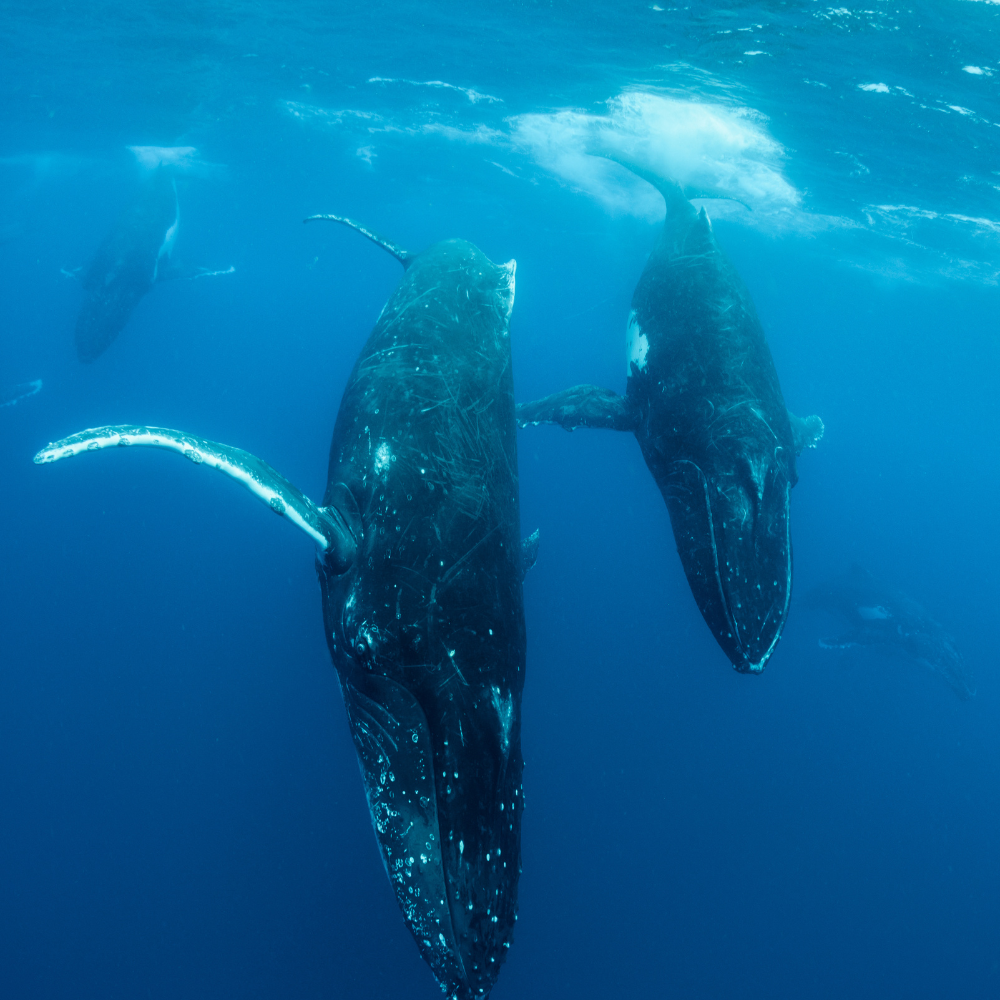
Boat tours operating from Labrador Straits communities take visitors directly among humpback, minke, and fin whales feeding in the Strait of Belle Isle. Seabird colonies gannets, murres, kittiwakes, and puffins nest in massive numbers on the coastal cliffs. The iceberg season, running from late May through July, brings ancient Greenlandic ice drifting through the strait in spectacular fashion.

For the most remote wildlife encounter, a boat journey up the Labrador Coast from Battle Harbour northward reveals a pristine wilderness of sheltered coves, fishing stages, and a marine landscape that has barely changed since the Basques sailed here in the 1500s.

🐳
Humpback Whales
🦭
Harp Seals
🦅
Bald Eagles
🐻‍❄️
Polar Bears
🦌
Caribou
🐦
Puffins
Humpback whale breaching Labrador coast whale watching tour
Whale watching boat tour Labrador Strait Belle Isle
Seabirds Labrador coast nesting cliffs wildlife
Icebergs drifting Strait of Belle Isle Labrador coast spring iceberg alley
Northern Lights aurora borealis Labrador dark sky wilderness viewing
Sep–Mar
Best Aurora Season
Aurora Borealis

The Northern Lights
Labrador’s
Greatest Light Show

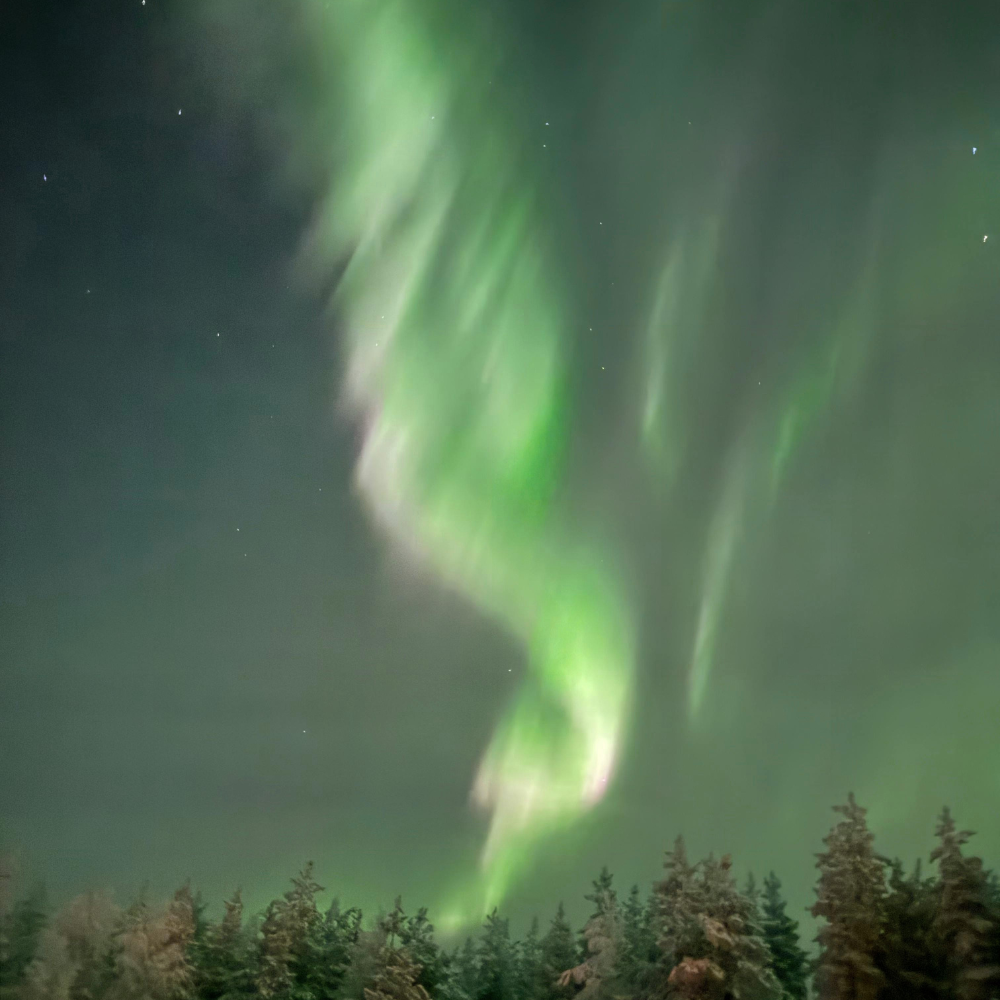
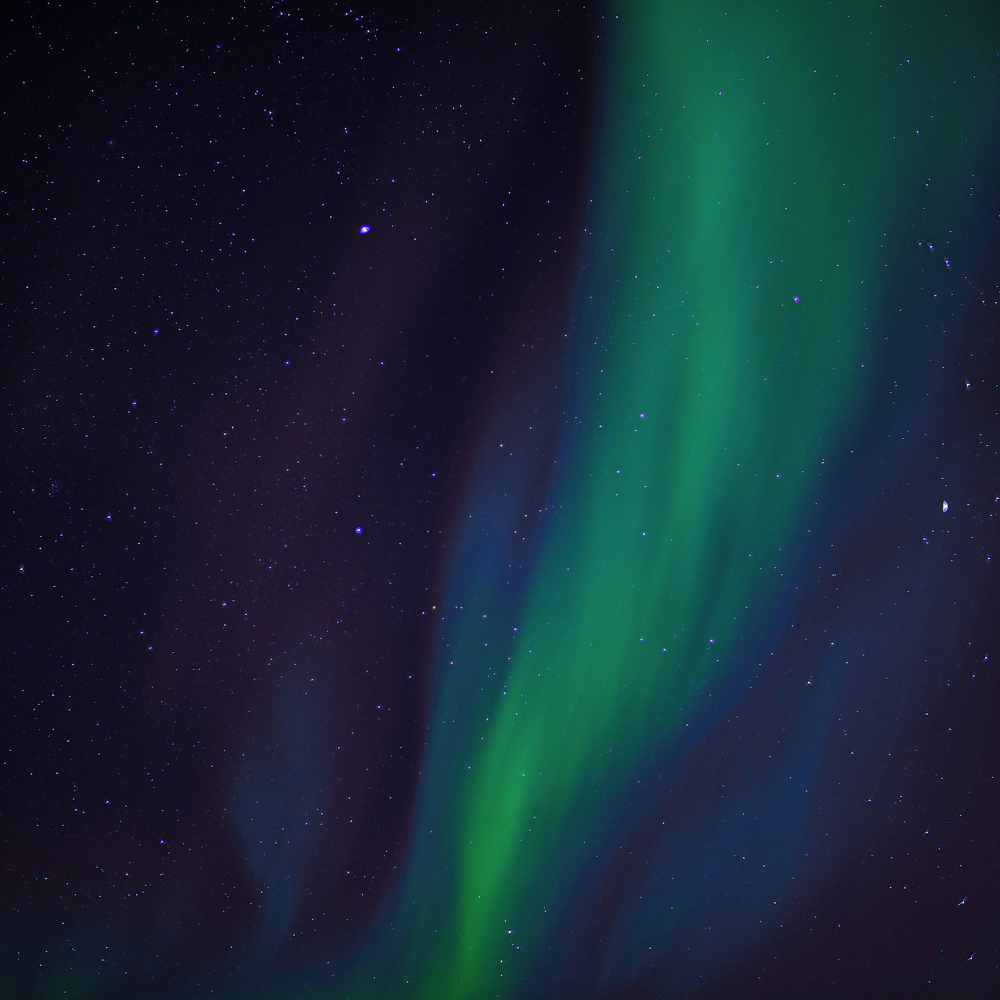
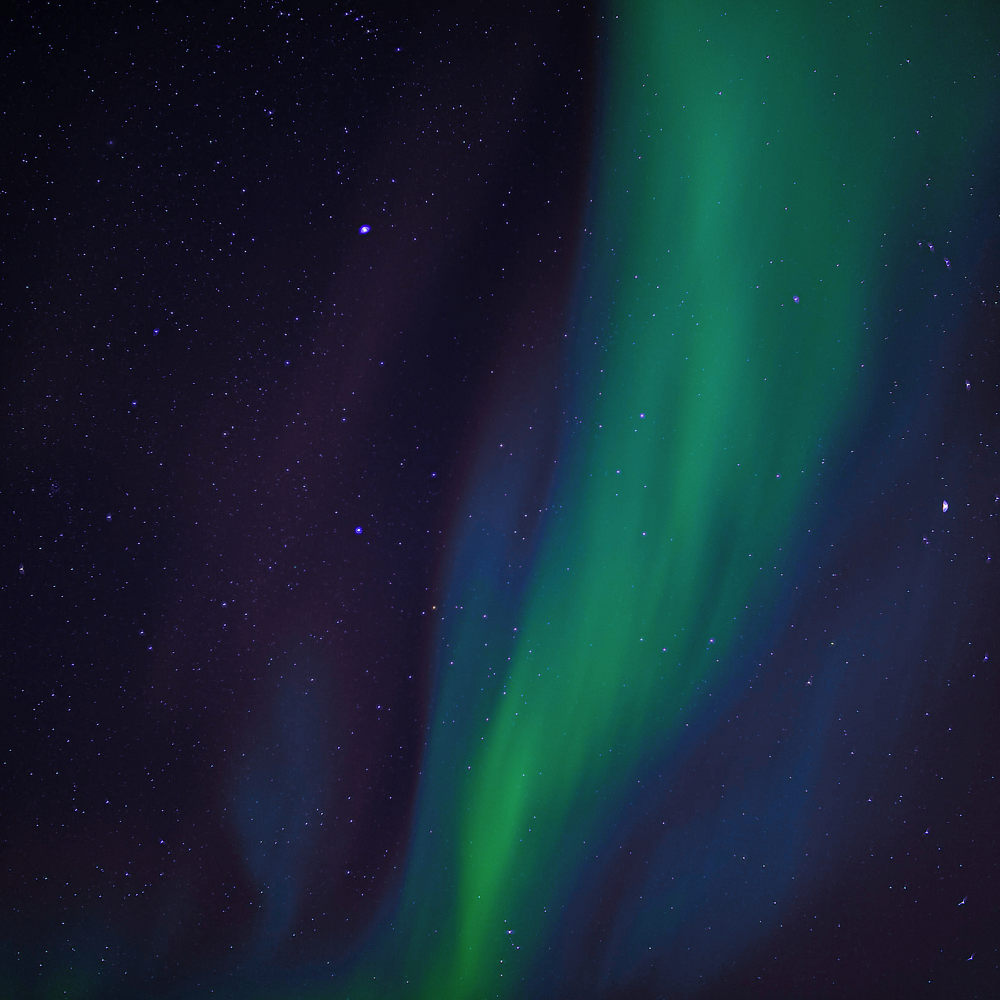
Labrador is one of the best places in Canada to witness the Aurora Borealis the Northern Lights. Its remote location, minimal light pollution, and northern latitude combine to create conditions that rival the famous aurora destinations of Scandinavia and Iceland, at a fraction of the distance for Canadian and North American visitors.

The lights are visible from fall through early spring, with peak activity from September to March. Torngat Mountains, Labrador City, and the remote communities of the Labrador Straits offer some of the clearest dark skies for aurora viewing in the province. On nights of high solar activity, the lights fill the sky from horizon to horizon in cascading curtains of green, purple, and white an experience that visitors describe as life-changing.

Check the Space Weather Prediction Center for real-time aurora forecasts before your trip, and plan to spend at least several nights in Labrador during peak season to maximise your chances of a display.

Sep
⭐⭐
Oct
⭐⭐⭐
Nov
⭐⭐⭐
Dec
⭐⭐⭐
Jan
⭐⭐⭐
Feb
⭐⭐⭐
Mar
⭐⭐
Apr–Aug
🌞
Culture & History

Labrador’s Living Cultural Heritage

From Basque whalers to Inuit and Innu traditions Labrador is a cultural mosaic woven from 10,000 years of human presence.
Red Bay National Historic Site UNESCO Basque whaling Labrador
🌍 UNESCO · Historic Site
Red Bay National Historic Site
The 16th-century Basque whaling station at Red Bay is a UNESCO World Heritage Site and one of the most significant archaeological finds in the Western Hemisphere. Museum, Saddle Island trail, and underwater chalupa (whaling vessel) site.
parks.canada.ca
Battle Harbour historic fishing village restored Labrador living museum
🏘️ Living Museum · Island Village
Battle Harbour Historic Properties
A beautifully restored 19th-century fishing outport on a Labrador island once the most important saltfish port in the world. Guided tours, period-accurate buildings, whale watching, and overnight stays in restored fisherman’s dwellings.
battleharbour.com
Labrador Interpretation Centre indigenous culture museum Happy Valley Goose Bay
🏛️ Museum · Indigenous Heritage
Labrador Interpretation Centre
The gateway to understanding Labrador’s complex cultural tapestry Inuit, Innu, Métis, and settler traditions explored through interactive exhibits, artifacts, and the stories of the people who have called this vast land home for millennia.
Mealy Mountains National Park Reserve fjords wilderness Labrador
🏔️ National Park Reserve
Mealy Mountains National Park Reserve
Canada’s newest national park reserve a stunning landscape of pristine lakes, fjords, boreal forest, and rolling tundra. Home to woodland caribou, black bear, and the Wonderstrands, the longest sandy beaches in Labrador.
parks.canada.ca
Things To Do

Activities in the Big Land

From world-class brook trout fishing to wilderness snowmobile expeditions Labrador rewards the adventurous traveller in every season.

🏔️
Torngat Mountains Expedition
The Torngat Mountains Base Camp (mid-July to August) offers packaged fly-in expeditions from Happy Valley-Goose Bay with Inuit guides hiking, zodiac tours through Arctic fjords, archaeological sites, and polar bear encounters. A once-in-a-lifetime wilderness experience.
Fly-In · Jul–Aug
🛣️
Trans-Labrador Highway Drive
Drive the now-fully-paved Trans-Labrador Highway (Routes 500/510) one of the great wilderness road trips in Canada. The route connects Labrador City to Blanc-Sablon through 1,000+ km of boreal wilderness, stopping at Happy Valley-Goose Bay, Muskrat Falls, and the southern coastal communities.
Fully Paved 2022
🎣
Sport Fishing
Labrador is widely considered the finest brook trout angling destination on Earth. The Eagle River, Pinware River, and dozens of remote wilderness rivers support trophy-size Atlantic salmon and brook trout. Licensed outfitters operate throughout the region for guided expeditions.
World-Class Trout
🎇
Northern Lights Viewing
Labrador’s remote darkness makes it one of Canada’s premier Northern Lights destinations. Labrador City, Torngat Mountains, and the Labrador Straits all offer exceptional aurora viewing from September through March. Minimal light pollution gives extraordinary dark skies year-round.
Sep–Mar Peak
🚤
Labrador Coastal Boat Tours
Boat tours from communities along the Labrador Straits including Battle Harbour, Red Bay, and Forteau explore the rugged coastal scenery, whale feeding grounds, seabird colonies, and iceberg viewing areas that define the southern Labrador coast.
May–Sep
🏕️
Wilderness Camping
Labrador’s provincial parks and Crown land offer wilderness camping of extraordinary remoteness and beauty. Pinware River Provincial Park, the Mealy Mountains area, and the Eagle River corridor are popular base camps for multi-day wilderness adventures.
Primitive to Serviced
🥾
Hiking & Walking Trails
The Labrador Pioneer Footpath (14+ km), the Pinware River Provincial Park Trail, the Saddle Island Trail at Red Bay, and the Point Amour coastal trail offer walks through landscapes of profound geological and cultural significance.
All Levels
❄️
Winter Adventures
Snowmobiling the Trans-Labrador Highway corridor, ice fishing on remote wilderness lakes, and cross-country skiing at Labrador City’s White Hills Resort transform Labrador into a completely different and equally extraordinary winter destination.
Dec–Mar
🎭
Indigenous Cultural Experiences
Visit the Labrador Interpretation Centre in North West River, engage with Them Days Archive for deep historical storytelling, attend community events in Nain and Happy Valley-Goose Bay, and join Inuit-guided experiences at Torngat Base Camp for immersive cultural connections.
Year-Round
Getting Here

How to Reach
the Big Land

Labrador is accessible by air, by the St. Barbe ferry, and by road via the Trans-Labrador Highway each approach offering its own spectacular introduction to the region.

⛴️
By Ferry St. Barbe to Blanc-Sablon
1
From Newfoundland, drive to St. Barbe on the Great Northern Peninsula (Route 430 from Deer Lake).
2
Take the MV Qajaq W. ferry (operated by Labrador Marine) a 1.5-hour crossing of the Strait of Belle Isle to Blanc-Sablon, Quebec, at the Labrador-Quebec border.
3
Drive east along Route 510 to explore the Labrador Straits communities L’Anse-au-Clair, Forteau, L’Anse-Amour, Red Bay, Mary’s Harbour, and the ferry to Battle Harbour.
4
Continue on Route 510/500 north to Happy Valley-Goose Bay and beyond the complete Trans-Labrador Highway experience.
✈️
By Air Into Labrador
1
Happy Valley-Goose Bay Airport (YYR) is the main hub for central Labrador Air Canada and other carriers connect from major cities.
2
Wabush Airport (YWK) serves Labrador City and Wabush in western Labrador with connections via St. John’s, Montreal, and Montréal.
3
For Torngat Mountains, charter flights from Happy Valley-Goose Bay to Saglek airstrip operate as part of Torngat Mountains Base Camp packages (mid-July to August).

🛣️ Trans-Labrador Highway Now Fully Paved

The Trans-Labrador Highway was completely paved in July 2022 a historic milestone that opened Labrador to regular vehicle travel. The full route from Labrador City to Blanc-Sablon is now accessible to all vehicles, including passenger cars and campervans. Gas stations and services are available at regular intervals but plan carefully in remote sections.

📅 Best Time to Visit

July–August for Torngat Mountains Base Camp, boat tours, and most outdoor activities. September–March for Northern Lights. The ferry from St. Barbe runs year-round, making the Labrador Straits accessible in all seasons.

🐻‍❄️ Be Bear Aware

Polar bears are present in northern Labrador, particularly around Torngat Mountains National Park. All Torngat excursions are guided with experienced bear monitors. In other parts of Labrador, black bears are common carry bear spray and practice proper food storage at all times.

⛽ Plan for Fuel Gaps

While the Trans-Labrador Highway is now paved and serviced, distances between fuel stops can be significant in some sections. Always fill up when you have the opportunity and carry a jerry can as backup, particularly on the Route 510 coastal section.

🦟 Pack Bug Protection

Black flies and mosquitoes are abundant in Labrador in summer, particularly in June and July in forested areas. Carry DEET-based bug spray, a head net, and long sleeves for wilderness hiking. August and September are significantly better for bug-free outdoor enjoyment.

Insider Knowledge

Tips for Visiting the Big Land

Labrador rewards those who come prepared and open to the unexpected pace and scale of life here.

1

Stay at Battle Harbour Don’t Just Day-Trip

Battle Harbour is accessible as a day trip by boat from Mary’s Harbour, but the magic of the place only reveals itself after dark when the day visitors leave. Book at least one overnight in a restored fisherman’s dwelling to experience the island as it truly is.

2

Book Torngat Base Camp Well in Advance

Torngat Mountains Base Camp (mid-July to August) operates in limited capacity with charter flights from Happy Valley-Goose Bay. This is one of the most extraordinary wilderness experiences in Canada and it sells out. Book months in advance at torngatbasecamp.com.

3

The Labrador Straits Are Underrated

Many travellers take the St. Barbe ferry and head straight to Happy Valley-Goose Bay without stopping. Don’t. The Labrador Straits communities Red Bay, Forteau, L’Anse-Amour, Battle Harbour are among the most historically and scenically rich places in the province.

4

Time Icebergs for June

The Strait of Belle Isle in June offers some of the most dramatic iceberg viewing in the province large Arctic bergs drifting through a narrow strait framed by dramatic coastal cliffs. The combination with whale feeding activity makes June the best month for the Labrador Straits.

5

Check the Trans-Labrador Highway Conditions

Signalised the highway is fully paved, some sections can be affected by weather and road maintenance. Check the NL511 road conditions app before driving remote sections, and always carry water, food, a spare tire, and emergency supplies on wilderness drives.

6

Slow Down and Talk to People

Labrador’s greatest asset is its people Inuit, Innu, Métis, and descendant settler communities with extraordinary stories and a profound relationship with this land. Stop at local businesses, talk to people in gas stations and diners, and allow the genuine warmth of Labradorian hospitality to shape your experience.

FAQ

Common Questions
About Labrador

Everything you need to plan your visit to the Big Land.

The Labrador Region is the mainland part of the province of Newfoundland and Labrador, occupying the eastern portion of mainland Canada and sharing a border with Quebec. It is separated from the island of Newfoundland by the Strait of Belle Isle. Despite being geographically attached to mainland Canada, Labrador is administered as part of the same province as the island of Newfoundland.
Labrador’s key attractions include Torngat Mountains National Park (polar bears, Inuit culture, Arctic fjords), Red Bay National Historic Site (UNESCO World Heritage Basque whaling), Battle Harbour (restored 19th-century fishing village), Mealy Mountains National Park Reserve, Point Amour Lighthouse (tallest in Atlantic Canada), and the Trans-Labrador Highway. The entire Labrador Straits coastal drive is among the most scenically extraordinary road trips in Canada.
Labrador is accessible three ways: By ferry the MV Qajaq W. operates daily year-round between St. Barbe, Newfoundland and Blanc-Sablon, Quebec (1.5-hour crossing). By air Air Canada and regional carriers serve Happy Valley-Goose Bay (YYR) and Wabush (YWK). By road the Trans-Labrador Highway (fully paved since 2022) connects via Quebec highway routes from Fermont/Labrador City.
The best time depends on your interests. June–July: best for icebergs in the Strait of Belle Isle and earliest arrival of whales. July–August: Torngat Mountains Base Camp season, warmest temperatures, accessible hiking, and peak summer activities. September–March: Northern Lights season, increasingly spectacular aurora displays as nights lengthen. Winter (December–March): snowmobiling, ice fishing, and a completely different wilderness experience dramatic and remote.
Yes to both. Polar bears are present in northern Labrador, particularly in and around Torngat Mountains National Park. All Torngat excursions include experienced bear monitors. The Northern Lights are visible throughout Labrador during fall and winter, with peak activity September through March. Labrador’s remote location and minimal light pollution make it one of the finest Northern Lights viewing destinations in eastern Canada.
Yes the Trans-Labrador Highway was fully paved in July 2022, marking a historic milestone for the region. Routes 500 and 510 now provide continuous paved access from Labrador City in the west to the southern coastal communities near Blanc-Sablon. Fuel and basic services are available at communities along the route, but distances between services can be significant plan ahead, carry extra supplies, and always check NL511 for road conditions before travelling remote sections.
Absolutely Labrador is home to Inuit (Nunatsiavut), Innu, and Métis communities with rich, living cultural traditions. The Torngat Mountains Base Camp is led by Inuit guides. The Labrador Interpretation Centre in North West River, the Labrador Friendship Centre, and the Them Days Archive all offer authentic insight into Labrador’s cultural heritage. Visiting remote communities respectfully and engaging with local people is one of the region’s greatest rewards.

Experience
The Big Land

Labrador rewards those who make the journey with wilderness, history, wildlife, and a way of life found nowhere else in Canada. Let us help you plan the perfect Big Land adventure.