
Gros Morne
National Park
Complete Visitor Guide
A UNESCO World Heritage Site on the western coast of Newfoundland. Landlocked freshwater fjords, ancient mantle rock you can walk on, a summit at 806 metres, and wildlife roaming freely — Gros Morne National Park is one of Canada’s most extraordinary natural destinations.
Heritage Site Since 1987
Western Newfoundland
Words Don’t Give
the Vistas Justice
Gros Morne National Park is a UNESCO World Heritage Site that needs no introduction. Words do not give the vistas justice. The park is populated by little villages, bare-topped mountains, and forests inhabited by moose and caribou. Hiking the Gros Morne Mountain trail provides a panoramic view that is a photographer’s dream. Among its most iconic landmarks are the Tablelands and Gros Morne Mountain summit.
Gros Morne National Park is unique for its dramatic geological features, including the Tablelands, a rare example of exposed Earth’s mantle. The park’s varied landscape of fjords, mountains, and coastal lowlands is a UNESCO World Heritage Site. It offers unique hiking experiences, diverse wildlife, and spectacular scenery. The park is home to some of the world’s most unique rock formations, primarily resulting from the process of plate tectonics.
To fully experience Gros Morne National Park, plan to spend at least 3 to 5 days. This timeframe allows for hiking, exploring geological sites, and enjoying the natural beauty and wildlife. The best time to visit Gros Morne National Park is June to early September when the weather is milder and longer daylight hours allow for full-day hikes.
The Best Things to Do
in Gros Morne National Park
From a once-in-a-lifetime landlocked freshwater fjord boat tour to hiking on the Earth’s ancient mantle — here are Gros Morne’s signature experiences, all sourced from our published guides.
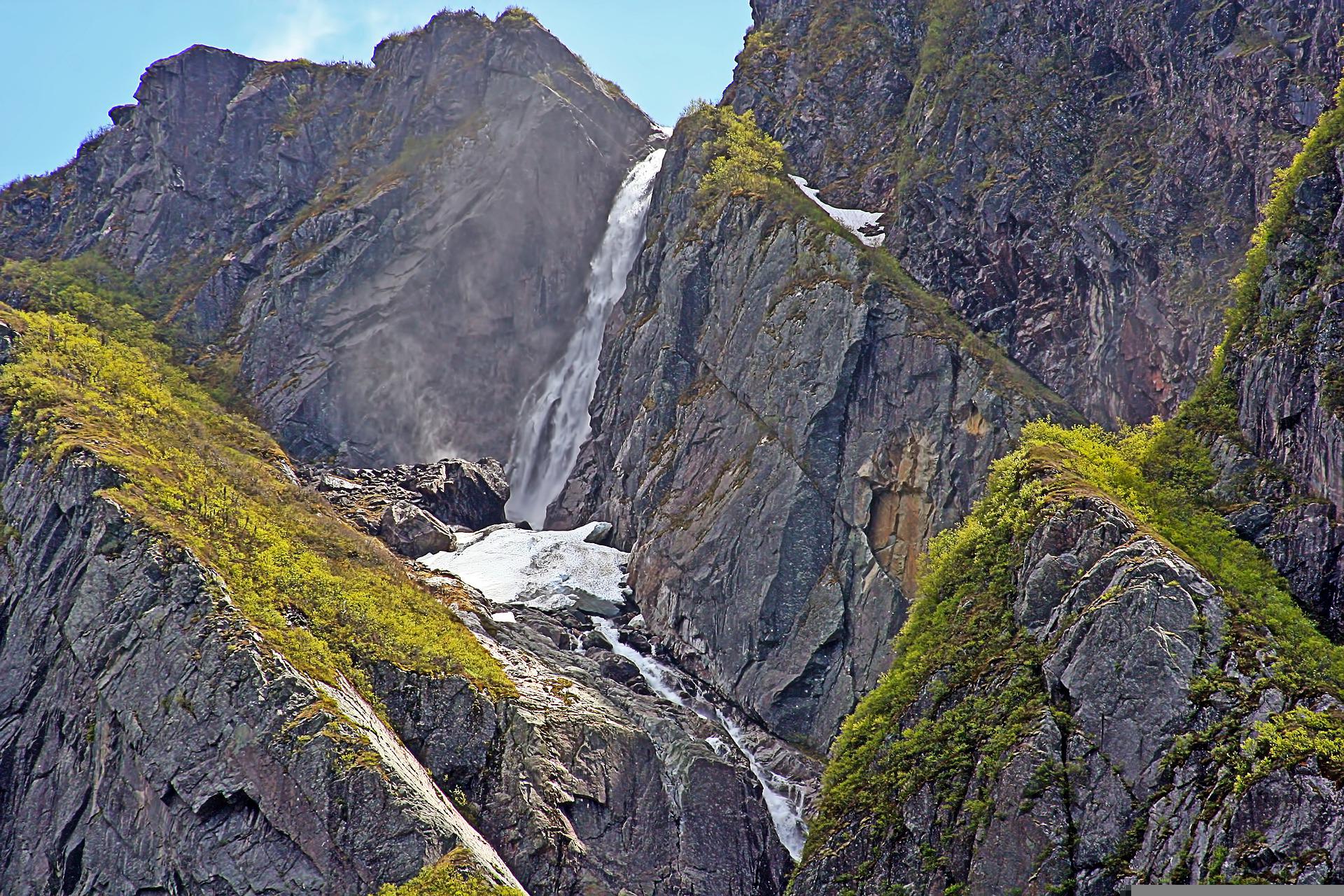
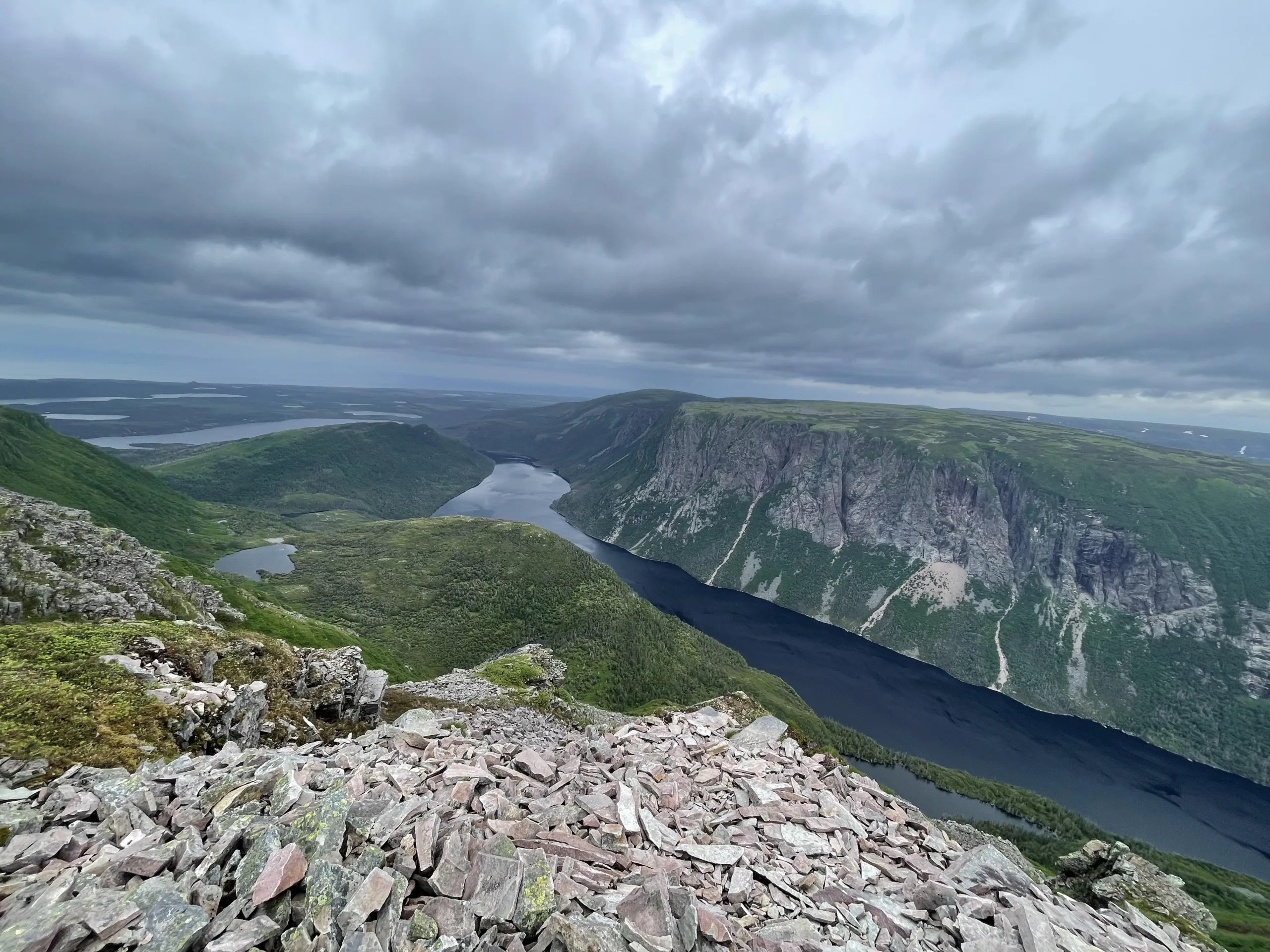
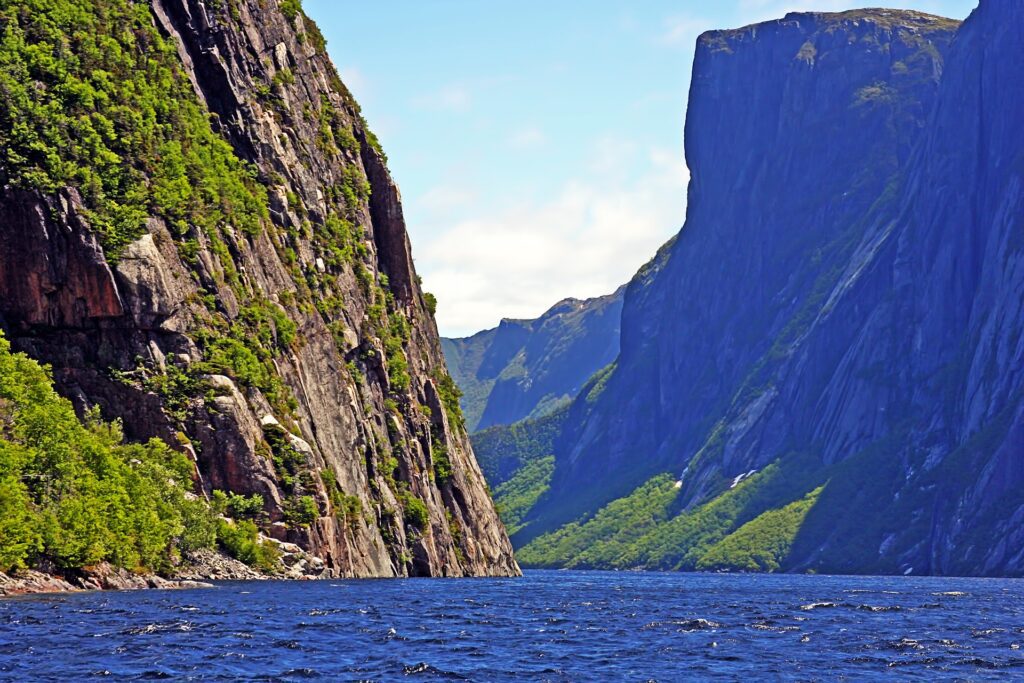
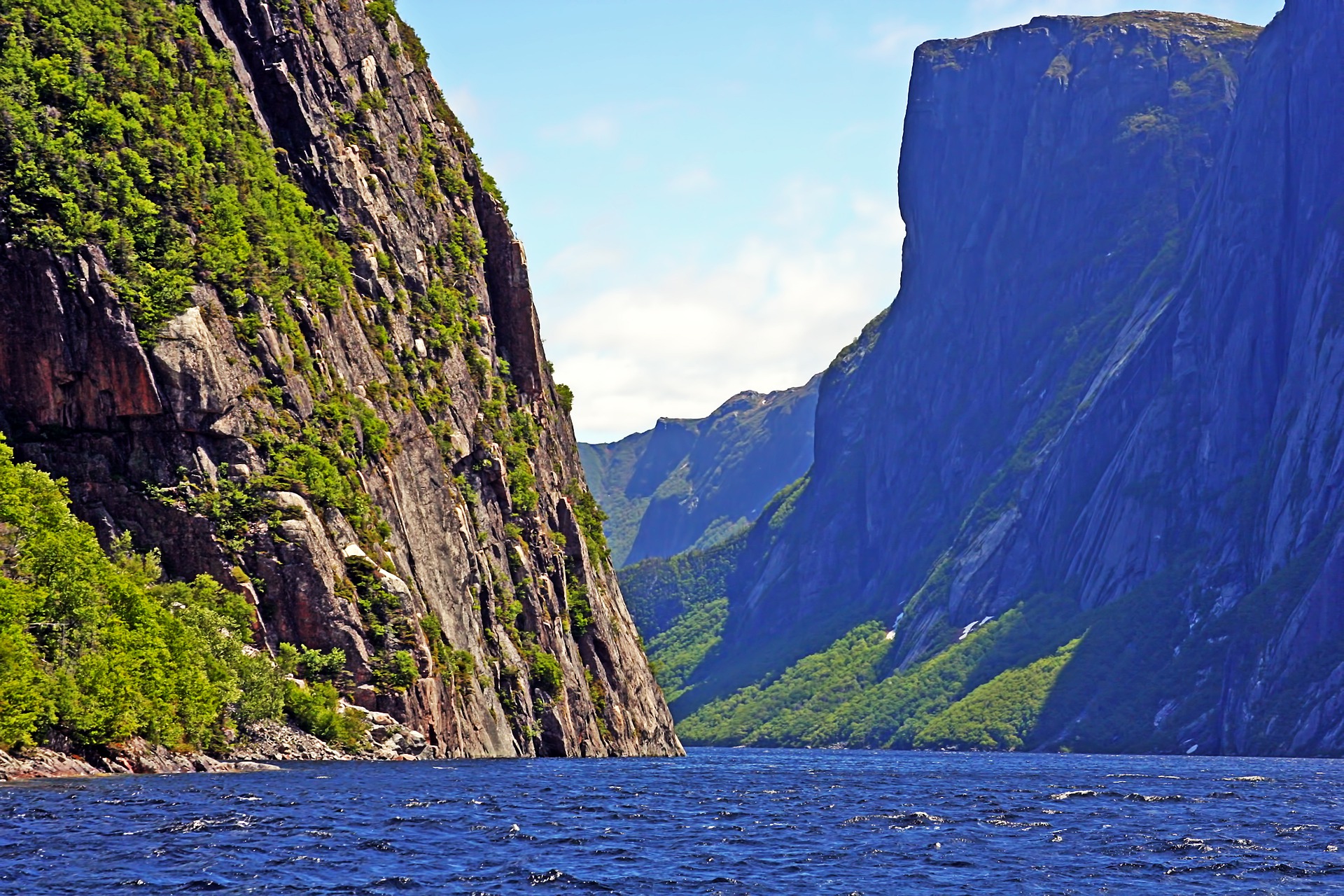
Western Brook Pond is a spectacular freshwater fjord set against towering cliffs and cascading waterfalls. The best way to experience its beauty is through a boat tour. These tours provide an opportunity to learn about the fjord’s glacial history, spot wildlife, and take in the breathtaking scenery. Behold the spectacular glacier-carved landlocked fjord, waterfalls cascading from 2,000 feet that often turn to mist before reaching the pond, billion-year-old cliffs, and frequent wildlife sightings.
To see Western Brook Pond you must drive to a parking lot north of Rocky Harbour, hike approximately 3 km to the dock, and take a two-hour boat trip with BonTours. Boat tours run daily from mid-May to mid-October, weather permitting. The view alone is worth the hike even if you are not able to take the boat tour. Gros Morne National Park is famous for its stunning geological formations, including the Tablelands and Western Brook Pond fjord — its diverse landscapes and status as a UNESCO World Heritage Site make it a prominent natural attraction.
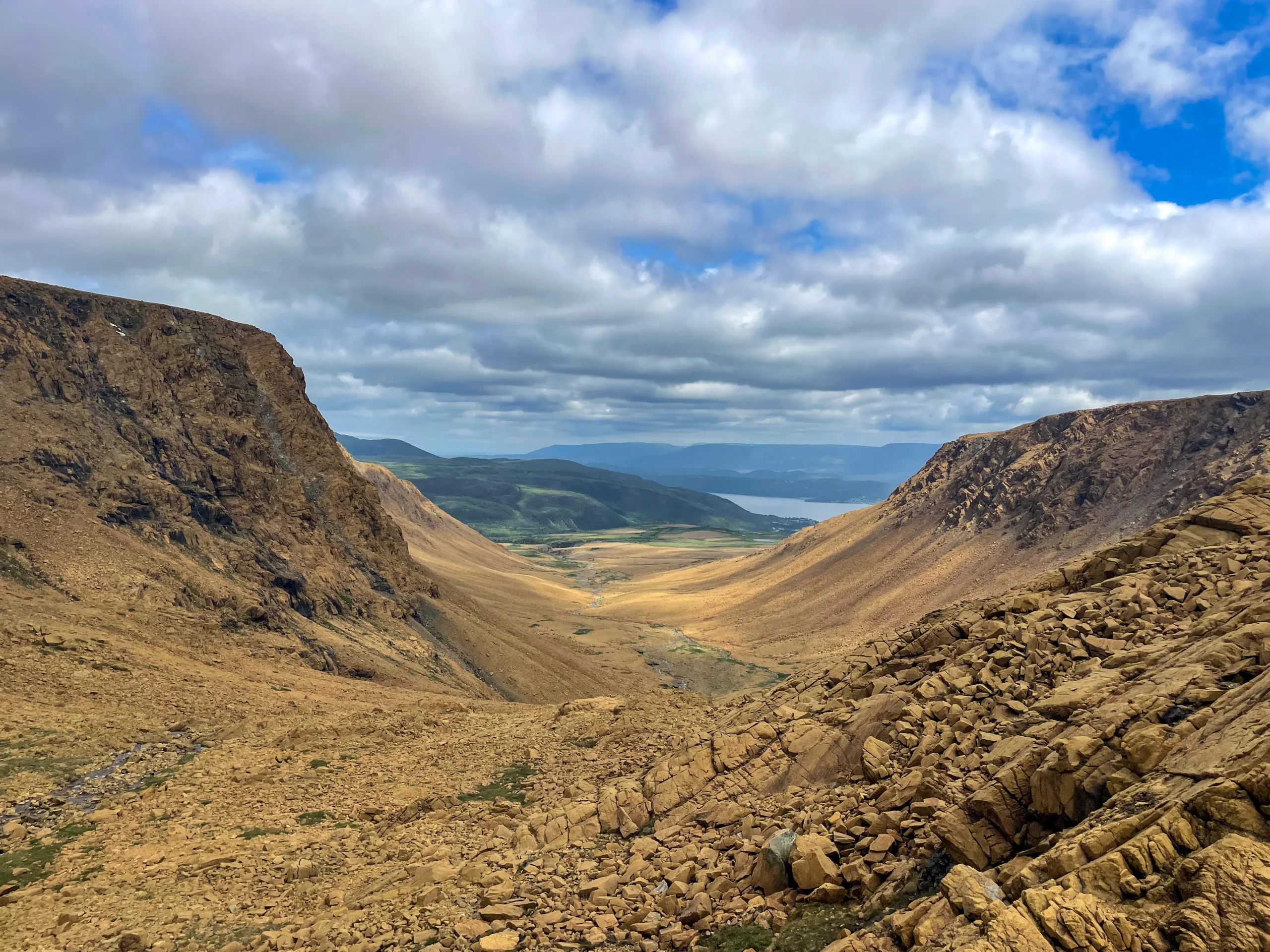
The Tablelands are one of Gros Morne’s most unique features. This otherworldly landscape resembles something from another planet. The rocks here are thought to originate from the Earth’s mantle and offer a rare insight into our planet’s inner workings. The Tablelands were formed over 450 million years ago during the continental collision. The rocks of the Tablelands consist of peridotite — rock from the Earth’s mantle. The high mineral content in the stones gives the Tablelands a distinctive brownish-orange colour and barren appearance in stark contrast to the park’s lush greenery. The Tablelands Trail is about 4 kilometres and takes 1.5 to 2 hours to complete.
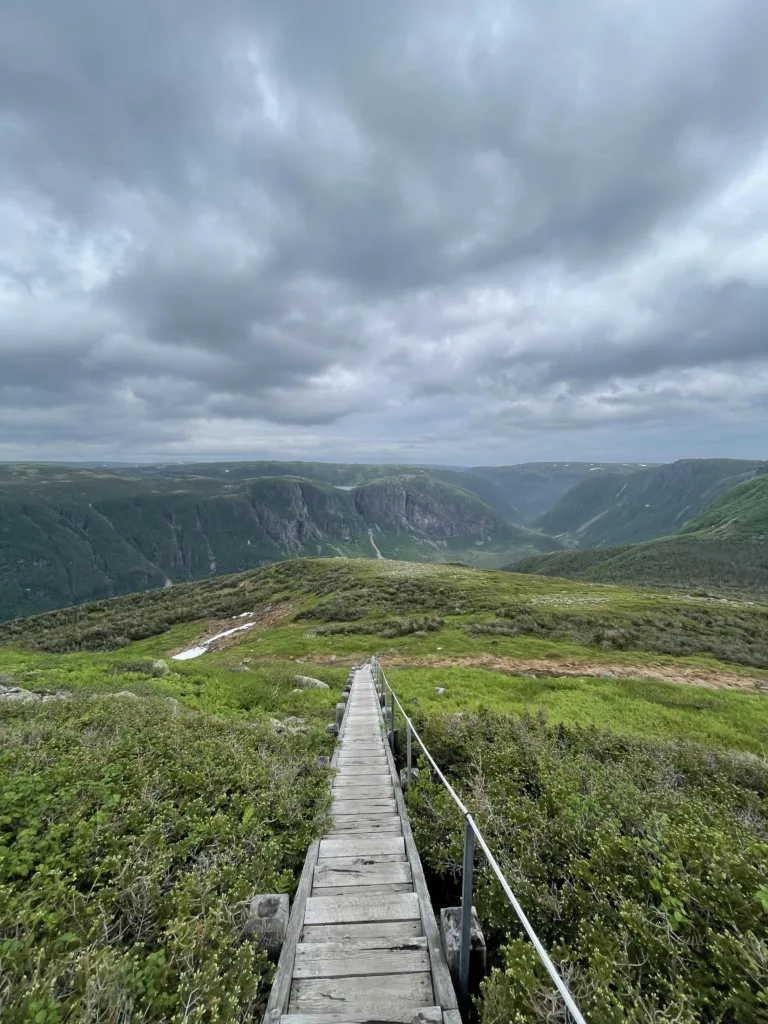
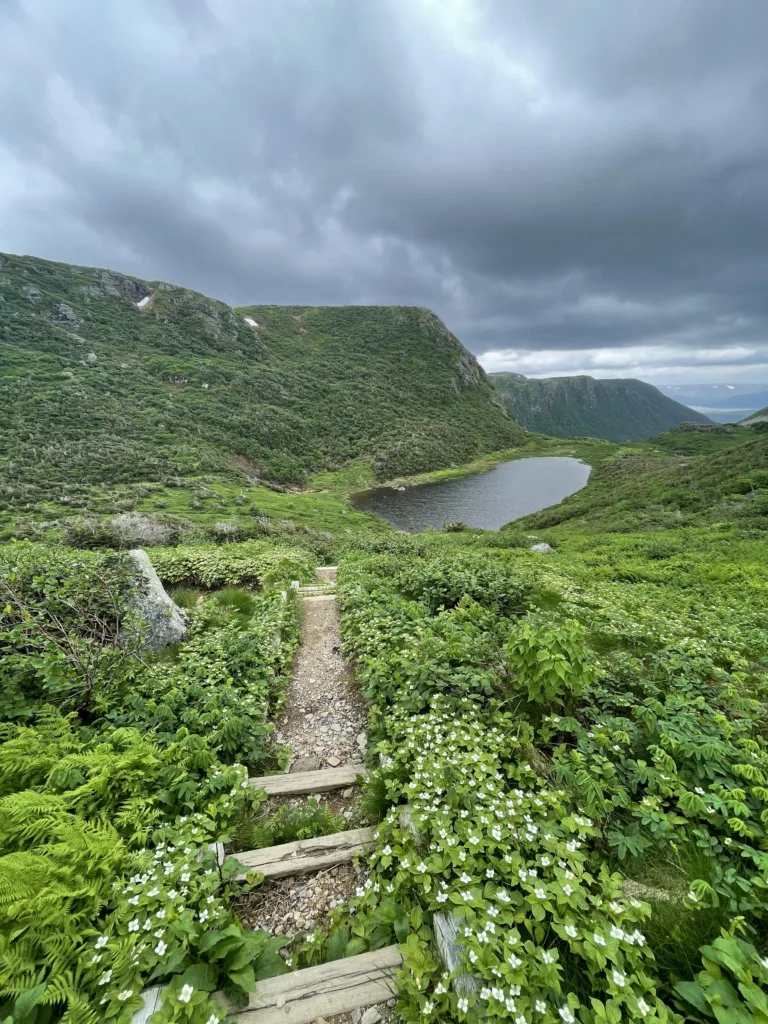
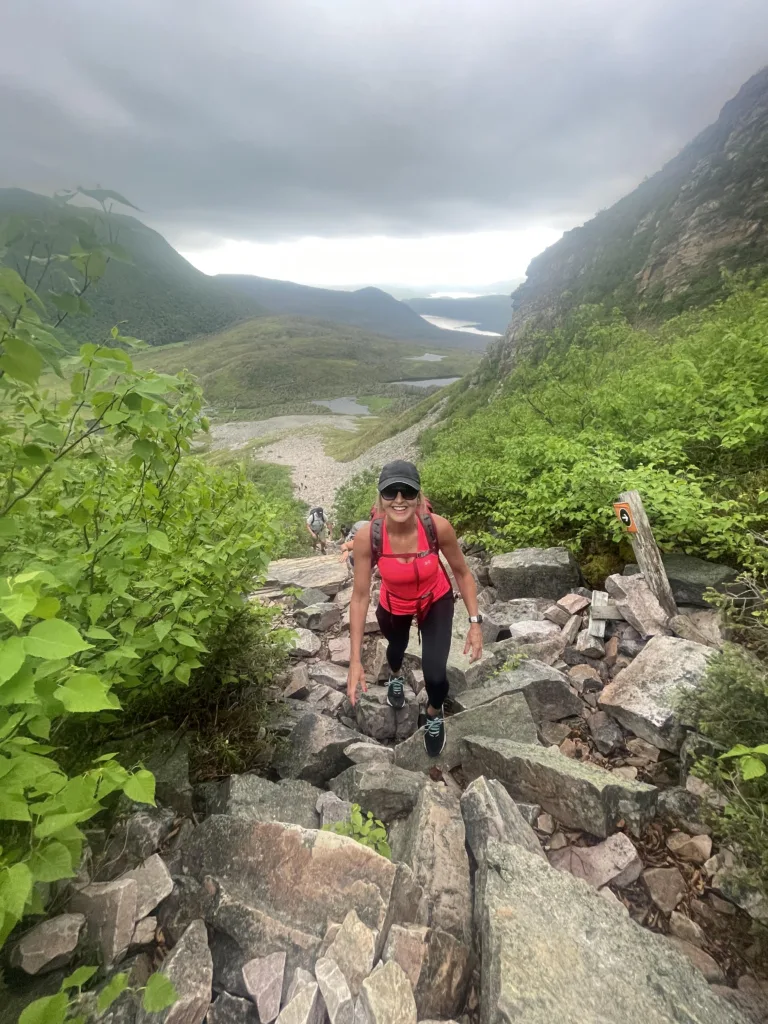
Gros Morne Mountain holds one of the highest peaks in Newfoundland and Labrador and offers a challenging yet rewarding hike. The trail spans 17 kilometres and requires a whole day to complete, making it suitable for experienced hikers. This trail has the second-highest elevation in Newfoundland and Labrador. It wanders through a boreal forest, then a steep rocky ascent to the plateau views of Bonne Bay, Ten Mile Pond, and the Long Range Mountains. The hike covers approximately 17 kilometres round trip and usually takes 6–7 hours. The mountain is closed to hikers from May 1 and re-opens on June 28 each year to protect wildlife.
Shallow Bay Beach is one of the park’s best spots for swimming and relaxing by the sea. The beach features soft sand, gentle waves, and beautiful Gulf of St. Lawrence views. It’s ideal for a family outing, with picnic areas and nearby hiking trails. The cold, shallow waters make it safe for swimming, while the expansive shoreline is perfect for beachcombing. Located near Cow Head — one of Newfoundland’s longest sand beaches — this is where you wind down after a full day of hiking in the park.
Western Brook Pond —
A Billion Years
in the Making
Western Brook Pond is a spectacular freshwater fjord set against towering cliffs and cascading waterfalls. UNESCO calls it “a globally significant landscape.” Parks Canada describes it as one of the crown jewels of Gros Morne National Park. Behold the spectacular glacier-carved landlocked fjord, waterfalls cascading from 2,000 feet that often turn to mist before reaching the pond, billion-year-old cliffs, and frequent wildlife sightings.
Even cloaked in fog and obscured by heavy rain, Western Brook Pond lives up to its accolades. This is the experience at the heart of any visit to Gros Morne — a once-in-a-lifetime encounter with a landscape that existed before the continents took their present shape. Boat tours run daily from mid-May to mid-October, weather permitting. The round-trip hike to the boat launch is an adventure, traversing along a maintained trail.
The Tablelands —
Walk on the Earth’s
Ancient Mantle
The Tablelands are one of the world’s most internationally recognised geological features. This otherworldly landscape resembles something from another planet — the rocks here originate from the Earth’s mantle, typically found deep beneath the Earth’s crust. This geological feature stands out for its rust-coloured, barren appearance in contrast to the lush greenery of Gros Morne National Park.
The Tablelands were formed when a piece of the Earth’s mantle was pushed to the surface by tectonic forces. This process is rare and has created the distinctive barren landscape. The rocks of the Tablelands are over 450 million years old. The high mineral content gives the Tablelands a distinctive brownish-orange colour. This is where the theory of plate tectonics was confirmed. You can walk over ancient sea floor and preserved ocean avalanches.
Best Hiking Trails in
Gros Morne National Park
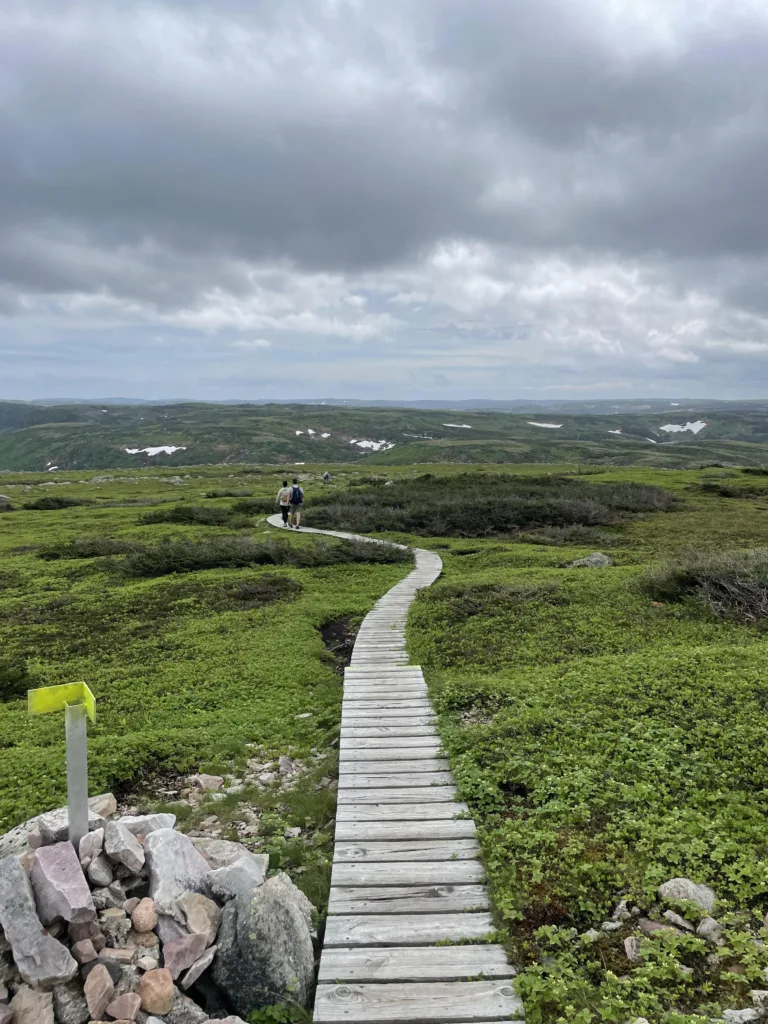
Gros Morne National Park is the perfect backdrop for hiking. Discover both marked and unmarked trails winding throughout the landscape. Some popular hiking trails include the Gros Morne Mountain Trail, Green Gardens Trail, and the challenging Long Range Traverse.
The park’s signature hike. Wanders through boreal forest, then a steep rocky ascent to plateau views of Bonne Bay, Ten Mile Pond, and Long Range Mountains. Second-highest elevation in Newfoundland and Labrador at 806 m. Opens June 28 each year. Suitable for experienced hikers only; good physical fitness required. Pack water, snacks, and warm layers.
Walk on the Earth’s ancient mantle. The trailhead is on the highway between Trout River and Woody Point. The Tablelands Trail offers insight into the unique geological landscape of rust-coloured peridotite rock. One of the most internationally renowned geological walks on the planet. Guided tours available from Parks Canada during summer months.
Begins on the barrens of the Tablelands and descends through boreal forest to a fertile volcanic seacoast, where you will see a wonderful array of sea stacks. A beautiful and varied trail that rewards with dramatic coastal scenery at the end. Best hiking trails in Gros Morne alongside the mountain trail.
The walk to the Western Brook Pond boat dock. Cross bogs and forested limestone ridges of the park’s coastal lowlands. Look for interpretive signs explaining the area’s natural features. The view alone is worth the hike, even if you are not able to take the boat tour. Bring binoculars for wildlife spotting along the way.
Offers stunning pond views and surrounding landscapes. The area also has several hiking trails including this route that skirts the north side of Trout River Pond through forests before opening onto the barren Tablelands. Excellent for families seeking moderate terrain with excellent park scenery.
A challenging, multi-day backcountry experience for very experienced hikers. One of the most challenging and rewarding backcountry treks in Atlantic Canada. Proper preparation, navigation skills, and park permits required. Check weather forecasts and inform someone of your plans before starting. This is not a trail for beginners.
Wildlife in
Gros Morne National Park
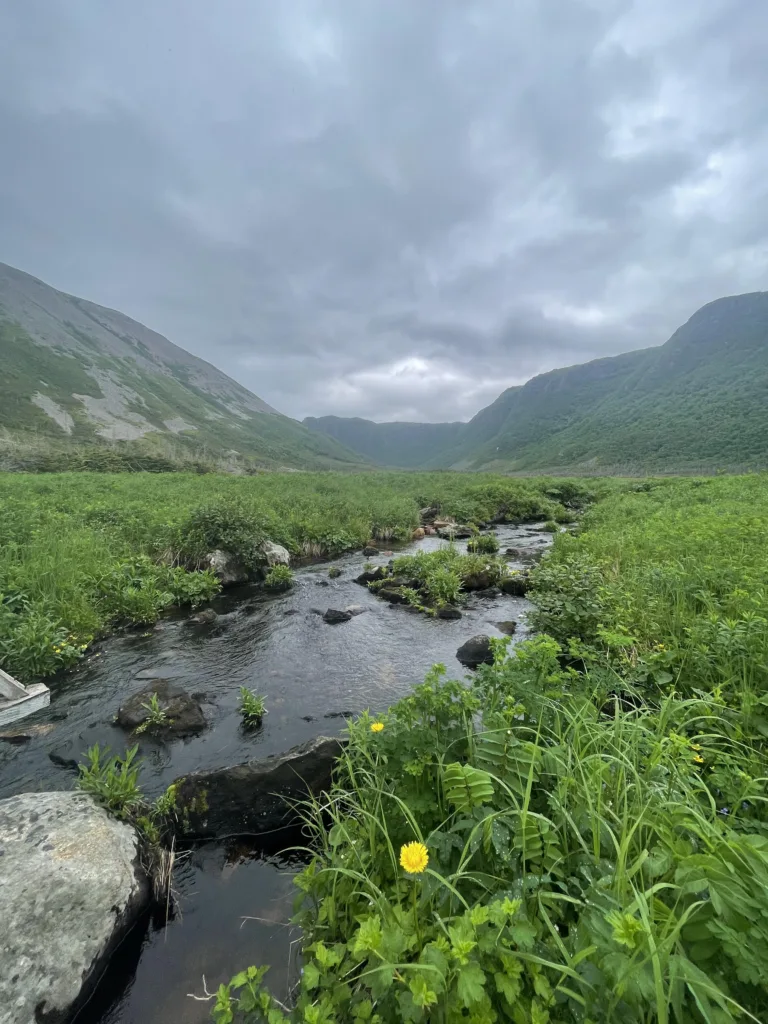
Gros Morne National Park boasts a diverse range of wildlife and flora. The varied terrain and ecosystems make for an ideal habitat for these creatures. Gros Morne is home to various animals including moose, caribou, black bears, foxes, and numerous bird species. The park has a range of camping options for those who want to fully immerse themselves in the Gros Morne wilderness.
Moose are abundant in the park and often spotted grazing near the roadsides. Moose are a very real hazard on roads — drive with caution especially at dawn, dusk, and after dark.
Black bears roam freely throughout the park. Watch for bears and exercise standard bear safety practices — make noise on trails and never approach.
Woodland caribou inhabit the park’s highland areas. Sightings are less frequent than moose but genuinely extraordinary when they occur — particularly on the alpine plateau of Gros Morne Mountain.
Birdwatchers will delight in the many avian species that call this park home — bald eagles, seabirds, and various songbirds and waterfowl throughout the park’s diverse habitats.
⚠ Moose Warning: The island of Newfoundland has one of the highest concentrations of moose in the world. Moose are a very real hazard on roads, especially at dawn, dusk, and at night. Use high beams on rural roads and take every moose warning sign seriously throughout the park.
Practical Information
for Gros Morne National Park
The nearest airport to Gros Morne National Park is Deer Lake Regional Airport (YDF), a 30–45 minute drive along The Viking Trail. You can rent a car from the airport to reach the park. Direct connections from Toronto, Montreal, and Halifax. YDF is the smartest way to visit — avoids the 9–10 hour drive from St. John’s.
The best time to visit Gros Morne National Park is June to early September. Summer offers milder temperatures and longer daylight hours. The Gros Morne Mountain Trail opens on June 28 each year. Winter visits can be complex due to harsh weather and limited accessibility for many tour operators and facilities.
A Parks Canada Discovery Pass is excellent value if spending multiple days in the park. Adults: $75.25/year — covers all Parks Canada sites across Canada. Day passes also available at the park entrance. Purchase at the Rocky Harbour Visitor Centre or online at parks.canada.ca before you arrive.
Yes, the park has several campgrounds, including Green Point Campground and Trout River Campground. Various campgrounds are available and reservations are recommended during peak seasons. Try an oTENTik — a unique blend of welcoming comfort and outdoor adventure — or a Rustic Cabin for those who don’t want a tent but do want to unplug.
The nearby towns of Rocky Harbour and Norris Point offer a variety of accommodations including cosy bed and breakfasts, inns, and vacation rentals. Rocky Harbour is the main service community inside the park. Book accommodation months in advance for July and August — rooms fill completely in peak season.
You can enjoy kayaking on the park’s freshwater lakes and coastal waters. Kayaking adventures are available through tour operators in the park. Guided sea kayak excursions with Gros Morne Adventures are available for those without their own craft. Launch areas at Trout River Pond, Mill Brook, and Lomond day-use areas. Bonne Bay is also excellent for kayaking.
Tips for Visiting
Gros Morne National Park
Book Western Brook Pond Early
The Western Brook Pond boat tour with BonTours sells out in peak season. Book as soon as you arrive in Rocky Harbour or arrange at the Visitor Centre. Boat tours run mid-May to mid-October but July and August dates fill fast. The 3.2 km walk to the dock is part of the experience — factor the full half-day into your plans.
Mountain Trail Opens June 28
The Gros Morne Mountain Trail is closed to hikers from May 1 and re-opens on June 28 each year to protect wildlife. Plan accordingly if visiting in early June. The hike covers 17 km and takes 6–7 hours — start early and carry plenty of water, food, and warm layers. Proper hiking boots and experience are required.
Dress for All Conditions
Gros Morne National Park experiences an Atlantic climate — weather conditions vary significantly. Hikers and nature enthusiasts should come prepared for sudden weather changes, especially if ascending Gros Morne Mountain. Pack a waterproof jacket, warm layers, sturdy boots, water, and snacks regardless of the forecast.
Book Accommodation Months Ahead
Accommodation in Rocky Harbour and Norris Point fills completely in July and August. Book your accommodation months in advance for summer travel — a Parks Canada Discovery Pass is excellent value. Campground reservations are also recommended during peak seasons and fill up quickly when the season gets underway.
Explore Both Park Regions
Gros Morne is home to seven communities from Trout River in the south to Cow Head in the north — about a two-hour drive from end to end. The southern region (Tablelands, Green Gardens) and northern region (Western Brook Pond, Shallow Bay Beach) each have distinct highlights. Plan at least one full day for each.
Gros Morne Theatre Festival
The Gros Morne Theatre Festival, held in Cow Head, showcases the rich cultural heritage of Newfoundland and Labrador. This festival features a variety of performances including plays, music, and storytelling, celebrating the region’s history and traditions. Attending a performance is a great way to experience local culture and enjoy a memorable evening in the park.
Planning Your Gros Morne Visit
— Common Questions
More Gros Morne &
Western Newfoundland Guides
Gros Morne?
Words do not give the vistas justice. Fly into Deer Lake, book the Western Brook Pond boat tour first, and let Gros Morne do the rest.