
Best Time to Visit
Newfoundland
Icebergs drift past in May and June. Puffins nest through August. Humpback whales feed from June to September. Northern Lights dance from late September to March. Here is exactly when each one happens — and what to expect every month of the year.
The Best Time to Visit Newfoundland
Is from May Through September
The best time to visit Newfoundland and Labrador is from May through September. You will enjoy the cooler, warm temperature and comfortable weather. Icebergs are here from May through June, and the whales are here from June through August. The best time to visit from late June to early September is when the weather is mild — you can enjoy outdoor activities, events, and festivals. This period is also ideal for whale watching and iceberg viewing.
July is typically the best month to visit Newfoundland. During this month, the weather is relatively warm and stable, the days are long, and many festivals and events occur. July offers excellent opportunities for wildlife viewing, including puffins, whales, and icebergs. July is typically the warmest month, with temperatures ranging from 15°C to 20°C. June and August are also good months, with similar conditions and slightly fewer tourists.




What to Expect Every Month
in Newfoundland
A full 12-month breakdown of weather, wildlife, crowds, activities, and what is on — so you can plan the perfect Newfoundland trip.
Embracing the Magic
of Summer
For those seeking vibrant festivals, outdoor adventures, and mild temperatures, summer is the best time to visit Newfoundland. From late June to early September, the island comes alive with many events and activities. The weather is relatively warm, allowing travellers to explore scenic landscapes without the biting chill of winter. The best time to visit from late June to early September is when the weather is mild — you can enjoy outdoor activities, events, and festivals. This period is also ideal for whale watching and iceberg viewing.
Chasing the Northern Lights
in Fall
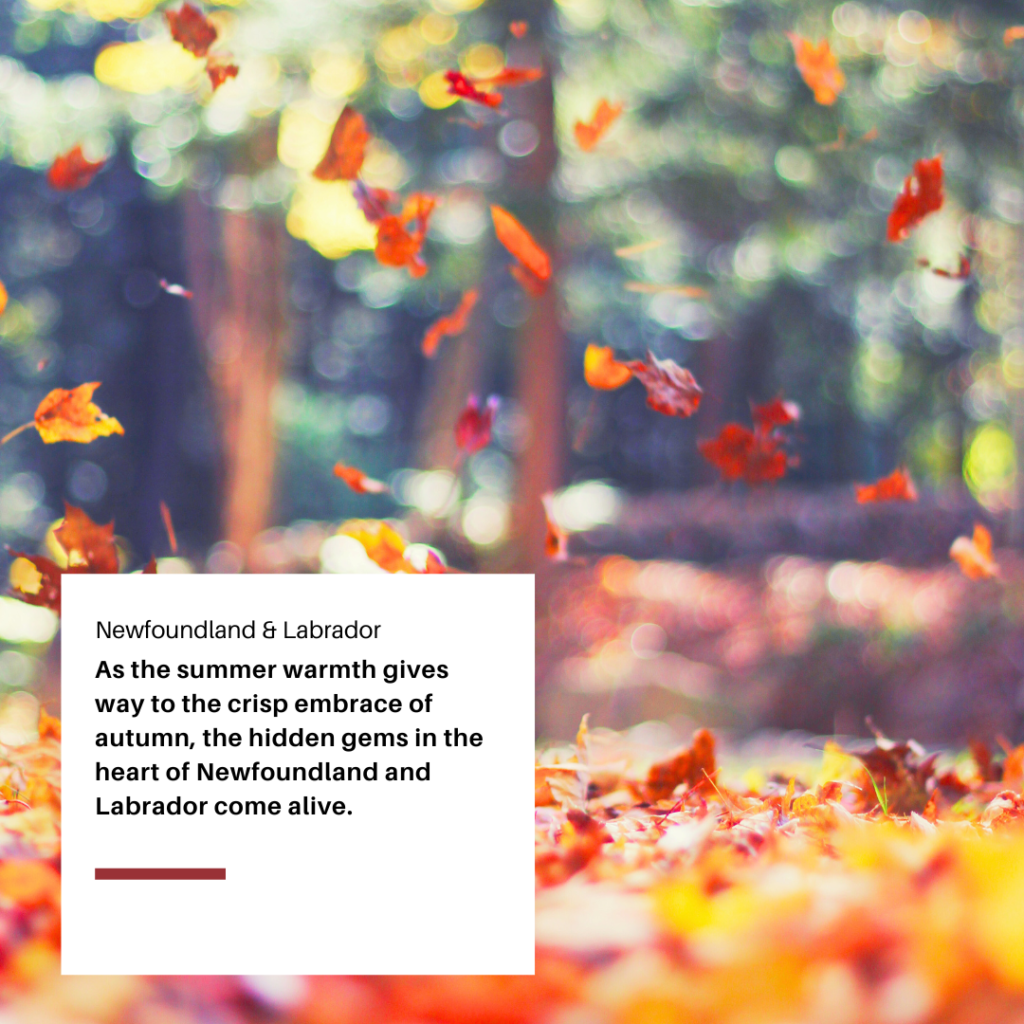
As summer bids farewell, Newfoundland undergoes a stunning transformation, unveiling a kaleidoscope of autumnal hues. From late September to November, the fall season presents a unique opportunity to witness the Northern Lights. Far from city lights, places like L’Anse aux Meadows offer a front-row seat to the mesmerizing dance of the auroras. Exploring the island during this time allows travellers to experience a quieter, more serene side of Newfoundland.
The crisp air and golden landscapes create an ideal setting for scenic drives along the coastline. The best time to experience fall colours is in October — the leaves are fully transformed into a kaleidoscope of autumnal hues. From mid-September to late October, the province’s forests, parks, and trails become an artist’s palette, painted with vibrant red, green, yellow, orange, and gold hues. One of the prime locations is Gros Morne National Park.
Winter Wonderland —
December to February
Newfoundland’s snowy landscapes provide a captivating backdrop for those enchanted by the magic of winter. The period from December to February is perfect for winter sports enthusiasts, with skiing, snowshoeing, and even ice fishing opportunities. The vibrant Christmas celebrations in St. John’s, adorned with colourful lights and cheerful festivities, add charm to the winter experience.
Visitors can partake in local traditions such as the Mummers Festival and enjoy “Jigg’s dinner” — a hearty Newfoundland feast. The coldest months are January through end of March — the temperature during this time of year is below freezing, with snowstorms and high winds with blowing snow.
When to See Newfoundland’s
Greatest Wildlife
The most common question from visitors is when to see icebergs, puffins, and whales. Here are the answers directly from our published guides.
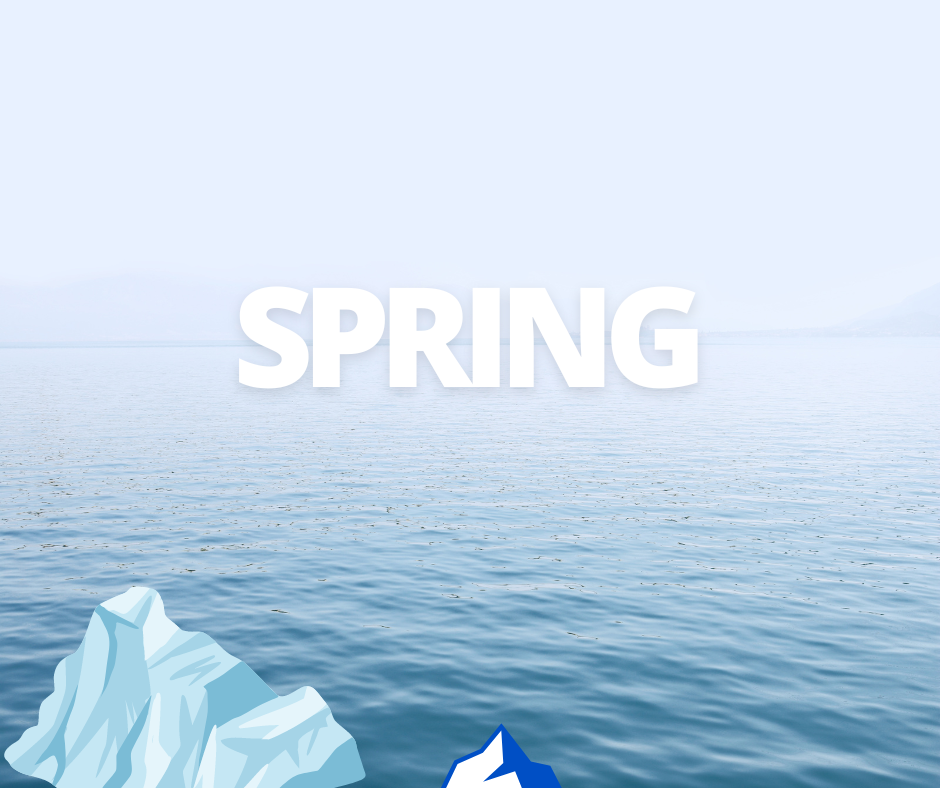
Icebergs are typically seen off the coast of Newfoundland from late spring to early summer. Iceberg season begins early in Newfoundland — they are here in spring and drift away before summer begins. June is generally the best month to see icebergs in Newfoundland — this is when most icebergs drift along the coast, providing spectacular viewing opportunities. The prime time to see icebergs in Twillingate is from late May to early June. By August, the number of icebergs in Newfoundland significantly decreases. You can still see icebergs in July, although they are much rarer than the peak months of May and June.
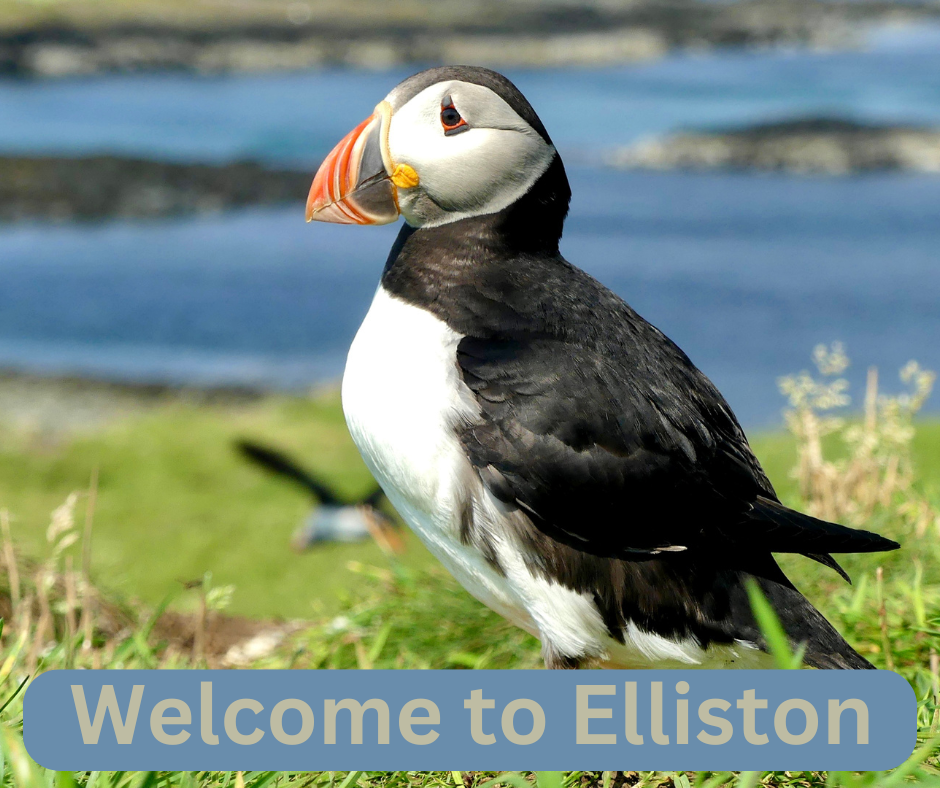
Puffins can be seen in Newfoundland from late May to early September. The best time is in summer, from June through August. From June through August, you can watch these birds feed and nest on the edge of cliffs on the coastline. The best months to see them are June and July, when they are most active during their breeding season. Atlantic Puffin is the provincial bird of Newfoundland and Labrador — every season they flock to the shoreline to feed, breed and nest. Puffins are diurnal birds — they typically come out of their burrows in the early morning, shortly after sunrise.

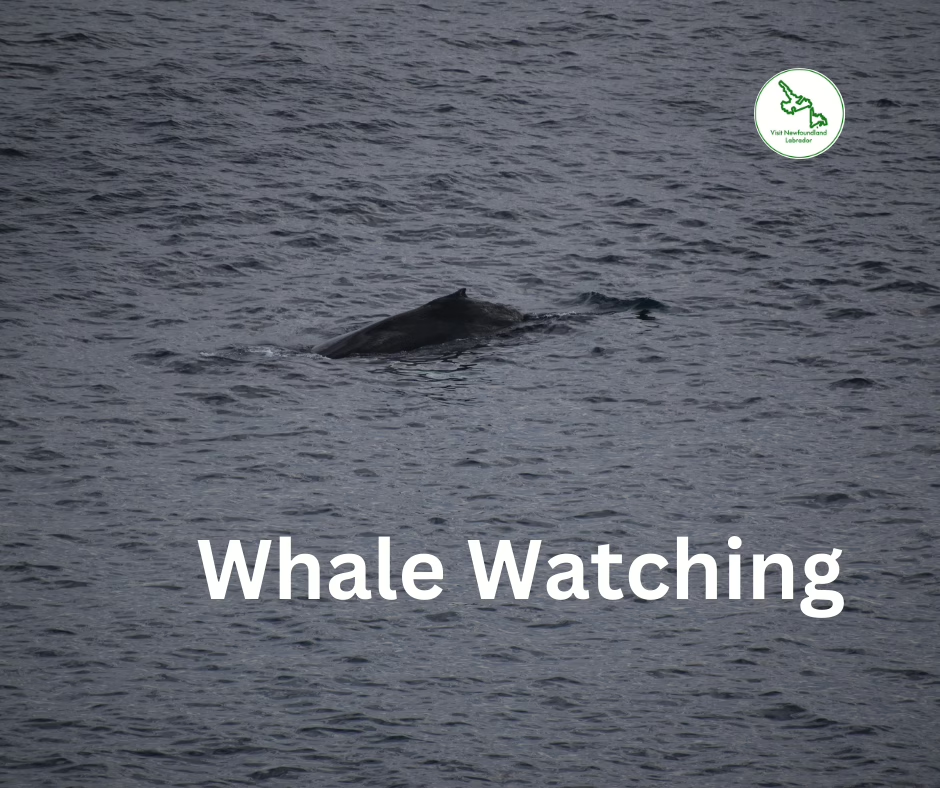
The best time to see whales in Newfoundland is from June to September. The best months to see whales are May, June and July — during these months of the year, the whales feed along the coast with their calves and pods. By late August, they start their journey back south where they will stay all winter and begin their journey again next year. Whale-watching season in St. John’s runs from mid-June to mid-August. Species include humpback whales, minke whales, fin whales, and occasionally orcas. Morning is typically the best time for whale watching — calmer seas and lower morning light conditions make it easier to spot whales.
Yes — you can absolutely see the Northern Lights (aurora borealis) from Newfoundland, particularly in the fall and winter months. The best time for viewing is from late September to March — during periods of high solar activity and clear, dark skies. The Northern Lights can be seen several times a year, especially in the fall and winter months — the frequency depends on solar activity and the clarity of the night skies. You can see the Northern Lights from many places in the province. The areas where you are most likely to see them are Labrador, Central and Western Newfoundland. Twillingate is also one of the places where you can occasionally see the Northern Lights, especially during the winter months.
What to Pack for Each Season
Newfoundland weather can change without notice — it is possible to see it raining one moment, foggy, then sunny in less than two hours. Always pack layers regardless of the season.
Best Time to Visit —
Common Questions
More Seasonal Planning Guides
Perfect Timing?
Now you know when to come — let us help you book flights, accommodation, and a rental car for your chosen season.